Sol Bungalows: Four Glass-Floor Stays and One Honest Noise Warning
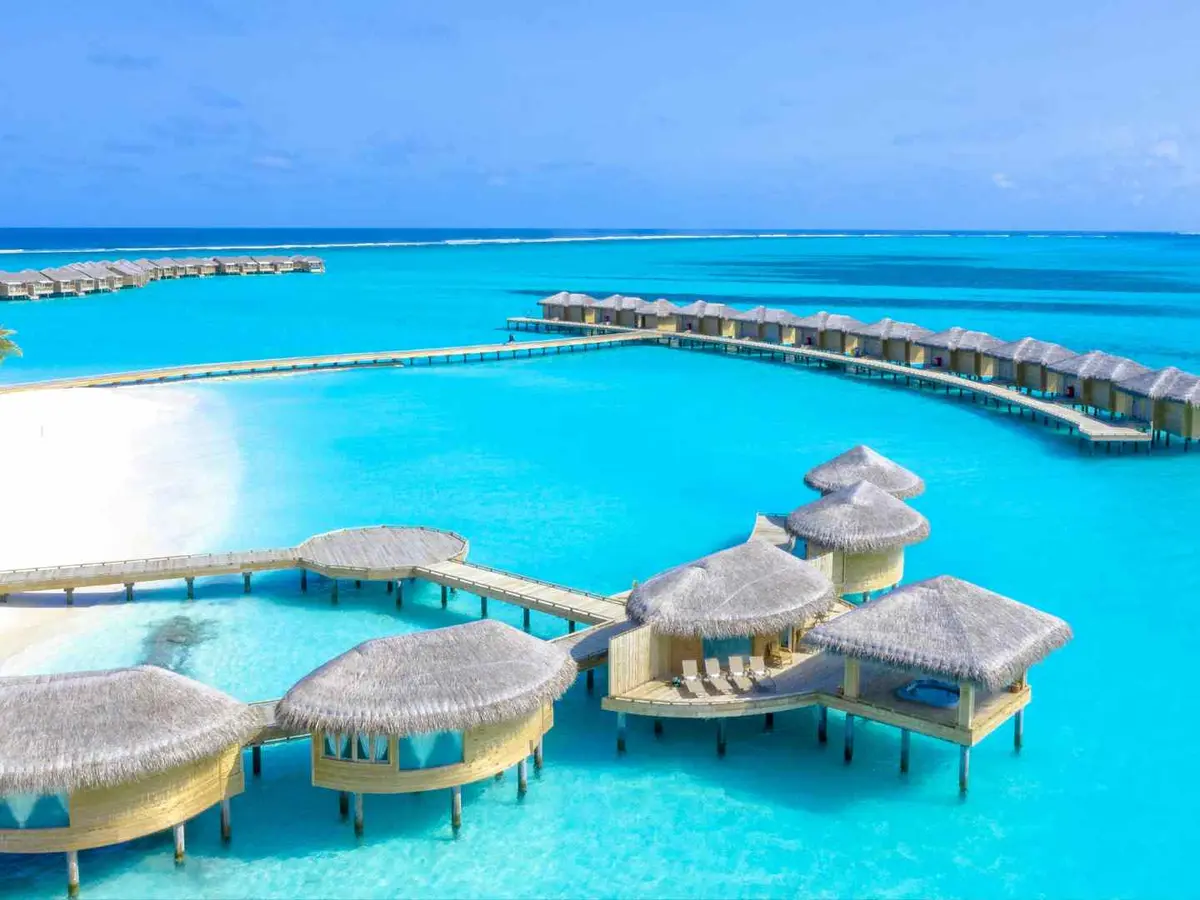
The dream is four wonderfully photogenic bungalows with glass floors, net hammocks, outdoor showers, and sunsets so direct they might as well knock before entering.
The catch is genuine off-grid life: no air conditioning, finite solar power and rainwater, possible club music drifting from Bocas Town, and a water taxi required whenever dinner calls from another island.
The 30-second snapshot
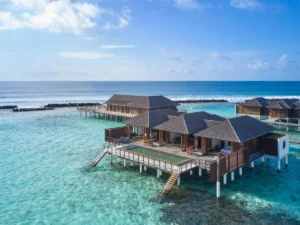
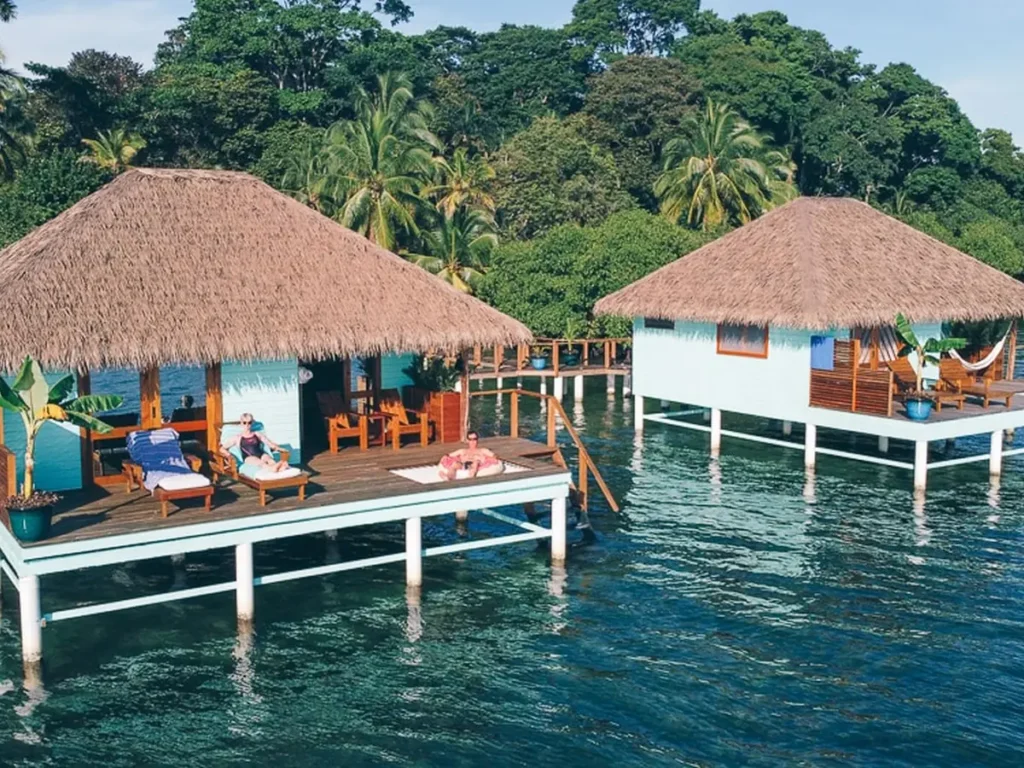
Sol Bungalows Bocas del Toro is a family-owned eco bed-and-breakfast on Isla Solarte with four true overwater bungalows, all designed around direct water access and views across the bay.
Every unit includes a king memory-foam bed, glass floor, mini-fridge, indoor rainwater shower, outdoor shower, multiple fans, Wi-Fi, and a deck with catamaran-net hammock.
- Qualifying inventory: four overwater bungalows, numbered one through four.
- Best for families: Bungalow One, called Papaya, is the only unit that can sleep four.
- Best for couples: Bungalows Three and Four cost more and should be compared for position and privacy.
- Biggest caveat: light sleepers may hear distant Bocas Town music, plus boats, roosters, waves, and village life.
The exact overwater inventory
All four accommodations qualify because the entire room collection consists of freestanding bungalows built above water.
Bungalows Two, Three, and Four accommodate two guests each, while Bungalow One can add two single sleeping spaces through its large sofa setup.
The core features are consistent: one king bed, glass floor with nighttime illumination, private bathroom, hot-and-cold rainwater shower, outdoor shower, direct snorkeling access, mini-fridge, safe, and several seating areas.
Bungalows One and Two occupy the lower rate tier, while Three and Four are sold at a higher tier and appear as superior options on Booking.com.
Ask what physically distinguishes the higher pair, including location, view, deck size, privacy, age, and proximity to common areas, before paying the premium.
The best bungalow choice
A couple should compare Bungalows Two, Three, and Four by current map rather than assuming the highest number is automatically the best.
Bungalow One is the clear family or three-person choice because the others have a maximum occupancy of two.
Groups can reserve all four units and effectively turn the tiny hotel into a private overwater enclave, subject to the longer cancellation window applied to multi-bungalow bookings.
Travelers with mobility concerns should request step, deck, ladder, shower, and boat-boarding details because the water is not merely decorative here.
Is the superior upgrade worth it?
The upgrade to Bungalows Three or Four makes sense when their confirmed position delivers a better view, more privacy, or another feature you will notice every day.
It makes little sense when the interior, deck equipment, and swimming access are effectively the same for your needs.
Ask for dated photos and the current difference sheet, then compare the complete taxed total rather than the pre-tax nightly gap.
Bungalow One can be the best value for a couple who wants more flexible lounging space, even though it is marketed for additional guests.
At a four-unit property, tiny positional differences can matter more than a grand category name.
Water access and snorkeling
Each bungalow has direct water access and the property promotes snorkeling immediately in front of the room.
Hospital Point, a known nearby snorkeling area, is also only a short boat ride away, adding variety when conditions under the deck are ordinary.
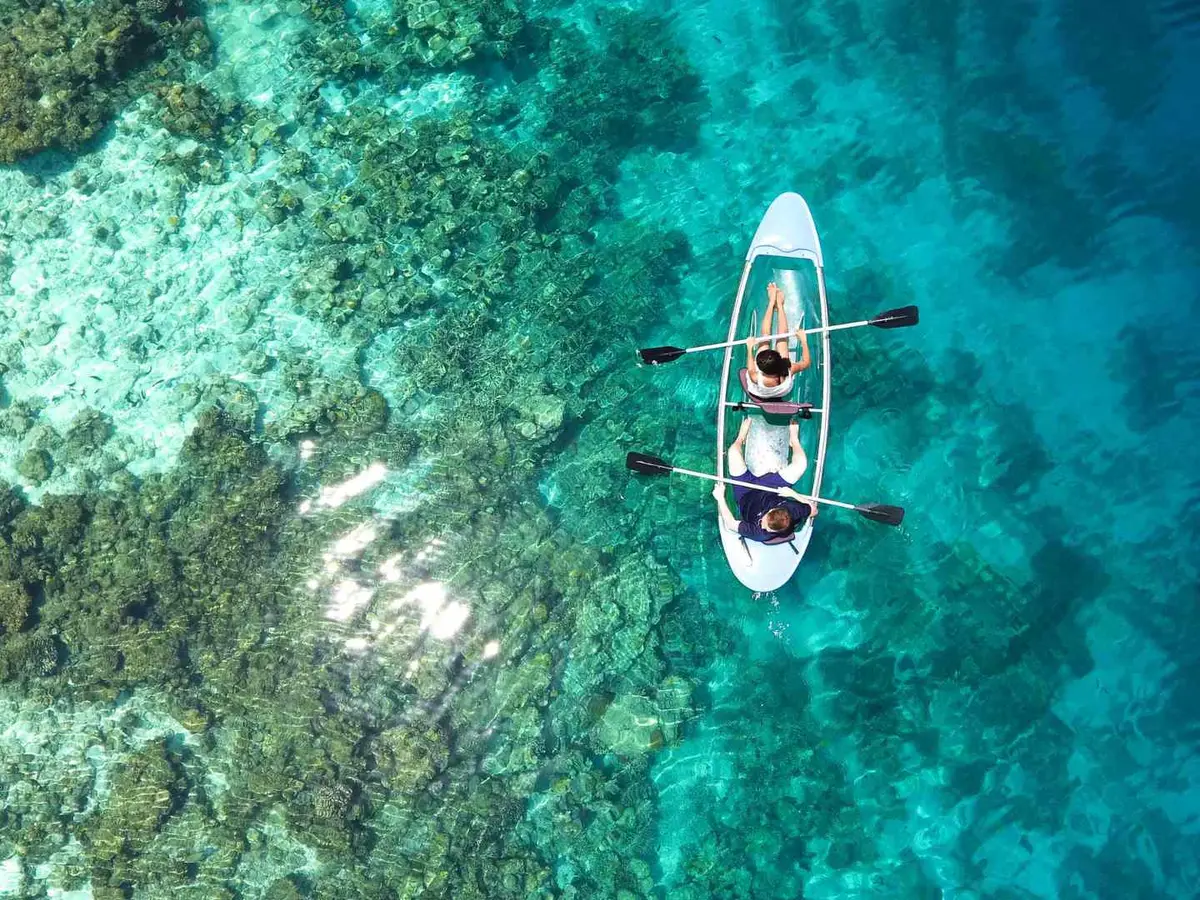
Four double kayaks and four paddleboards are shared among guests, enough in theory for the small property but still subject to maintenance and turn-taking.
Ask the hosts where to enter, which route boats use, what tide works best, and whether current or visibility has changed.
Our house-reef guide explains why glass floors and clear water are delightful without proving the presence of healthy coral beneath every room.
Use the supplied snorkel mask, keep fins away from coral, never feed wildlife, and wear flotation when conditions or ability make it sensible.
Getting to Bocas del Toro
For a broader sense of boats and resort styles, read the Central America comparison. If a private pool matters more than Sol’s glass floor, compare the Nayara water villas before booking.
The simplest international route commonly involves arriving in Panama City, changing airports, and taking a domestic flight to Bocas Town on Isla Colón.
That airport change must include immigration, baggage, road traffic, and a check-in deadline, so a same-day connection needs far more space than the flight times imply.
The Sol guest packet notes that the domestic airline recommends a generous buffer and sometimes an overnight between international and domestic journeys.
Overland travelers can use a bus or shuttle to Almirante, then take a water taxi to Bocas Town before arranging the final short boat.
Share every arrival detail with the hosts and keep WhatsApp working because they use it for transfer coordination, meal orders, and help during the stay.
The final water taxi
Sol lies near the western edge of Isla Solarte, roughly five to ten minutes by water taxi from Bocas Town.
Flight arrivals can take a land taxi or walk from the airport to Bocas Docks, then request a large water taxi directly to the property.
Boat arrivals from Almirante can usually continue from the Bocas Town dock where they land, again requesting a large craft for luggage.
The property currently publishes a modest per-person local fare, but prices, operating hours, and Sunday schedules can change.
Carry small cash, waterproof essentials, confirm the cost before boarding, and alert the hosts so someone can meet the boat at the dock.
Breakfast is included
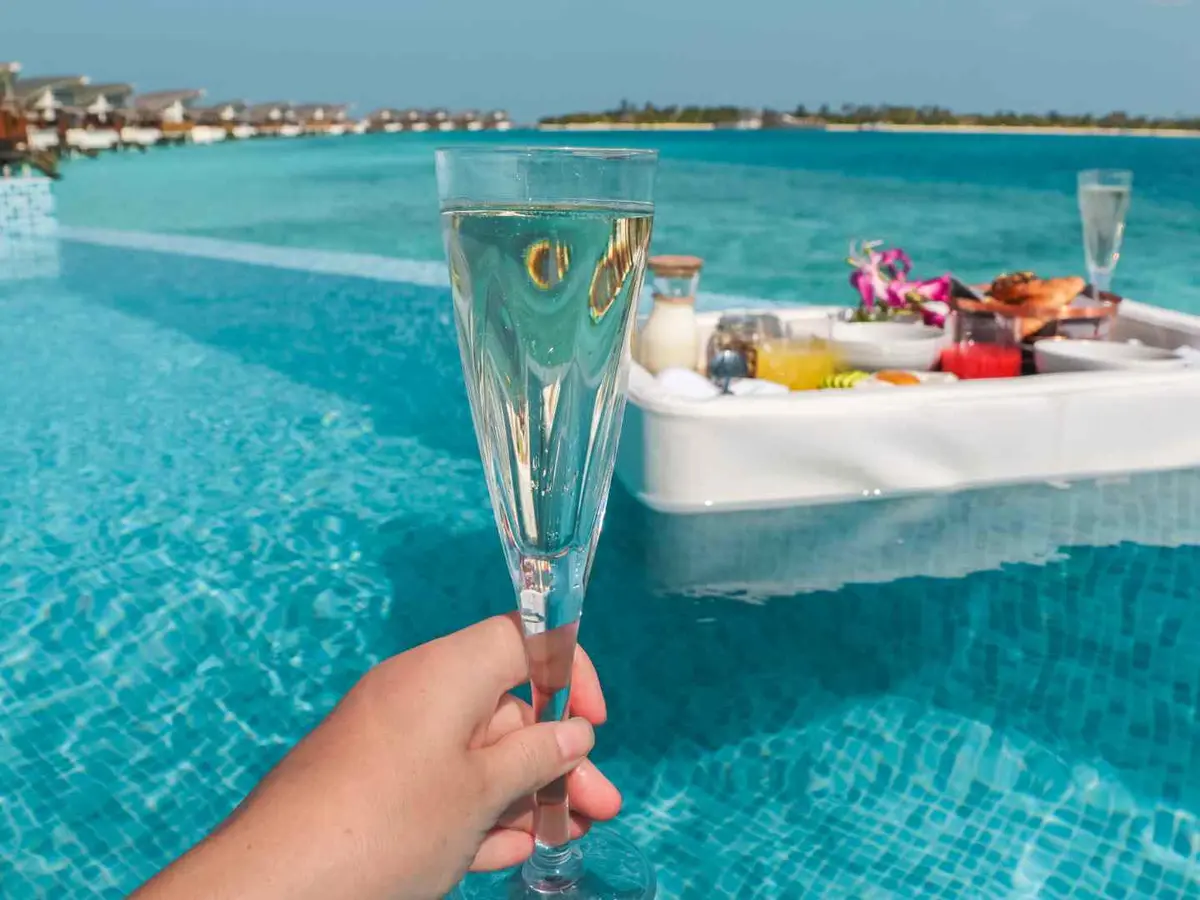
The room rate includes breakfast served during a morning window, with choices such as smoothie bowls, omelets, pancakes, oatmeal, sandwiches, granola, and a traditional egg plate.
The main dish comes with French-press coffee or tea, juice, fresh fruit, and water, while additional smoothies cost extra.
Morning coffee delivery can begin before formal breakfast, an excellent arrangement for anyone whose personality loads slowly.
The food program draws herbs, greens, fruit, and other ingredients from the property’s permaculture effort or local community when available.
Tell the team about dietary needs before arrival, especially when allergies require careful sourcing and cross-contact planning.
Lunch, dinner, and the Sunday gap
There is no full lunch restaurant, but guests can order takeaway sandwiches, smoothie bowls, salads, and snack boxes at breakfast for late-morning delivery.
Dinner is an optional three-course set menu served in the evening, with fish, chicken, ceviche, curries, soups, salads, and plant-based adaptations appearing in rotation.
The kitchen does not serve dinner on Sundays, so Sunday arrivals should buy food in town or reserve another restaurant before crossing to Solarte.
Drinks are available around dinner, and guests can stock the bungalow mini-fridge with purchases from Sol or Bocas Town.
Nearby restaurants across Solarte, Carenero, and Bocas Town are only a boat ride away, though heavy rain makes the on-site dinner suddenly look like an act of genius.
What the trip really costs
Add the nightly bungalow rate, tourism tax, international and domestic travel, airport changes, water taxis, lunches, dinners, drinks, tours, insurance, and gratuities.
Direct booking rates currently separate Bungalows One and Two from the higher-priced Three and Four, with holiday dates priced differently.
The property requires full payment to secure a reservation, while free-cancellation deadlines differ for ordinary and multi-bungalow bookings.
Breakfast, kayaks, paddleboards, snorkel masks, filtered water, and Wi-Fi are currently included, which meaningfully improves the value.
Use our true overwater vacation cost guide to compare this bed-and-breakfast model with a full-board resort where fewer boat taxis and meals sit outside the rate.
Off-grid comfort
Solar panels provide power and collected rain feeds the water system, so guests are asked to turn off lights and fans and take short showers.
The bungalows do have hot-and-cold shower water, but the resource remains finite and weather-dependent.
Cooling comes from three ceiling fans, sea breeze, water access, and the outdoor shower because air conditioning is not installed.
Mosquito screens, blackout curtains, a white-noise machine, and earplugs help with sleep, though no accessory can guarantee silence.
Filtered rainwater is supplied for drinking and is also used by the resident family, while travelers with special medical needs can discuss alternatives.
The noise truth
Sol deserves credit for saying plainly that music from Bocas Town can carry across the water at night, particularly around holidays.
Guests may also hear boats, waves against the posts, roosters, dogs, children, church, and everyday life in nearby Solarte Uno.
Close windows and glass doors, use the white-noise machine, and bring comfortable earplugs if sound easily disrupts sleep.
Travelers wanting natural silence should avoid major party dates and ask which bungalow is currently least exposed.
For others, the mix of village and water sounds is part of staying near a real community rather than inside a luxury preserve.
Who will love Sol Bungalows
Couples who want classic overwater features without a vast resort will appreciate the glass floors, ladder, king bed, deck net, and hosts who know the archipelago.
Families with children aged twelve or older can use Papaya, while friends can buy out all four bungalows for a shared celebration.
Kayakers, paddleboarders, snorkelers, surfers, and hikers get a convenient base close to both nature and Bocas Town.
Sustainability-minded travelers may value solar power, rain catchment, community employment, local sourcing, and the permaculture project.
Who should skip it
Skip Sol if air conditioning, silent nights, all-day restaurant service, private pools, young-child access, or immediate road transport are essential.
Guests who dislike small water taxis or carrying cash for routine movements may find the location tiring.
Anyone unable to manage a ladder, wet deck, boat step, or open-water entry should confirm alternatives before booking.
Travelers who cannot tolerate conserving water and electricity are not a philosophical match for an off-grid property.
Ideal stay length
Four to six nights gives enough time for snorkeling, paddling, island walks, surf or tours, restaurant outings, and one dramatic rain day.
Three nights provides a satisfying overwater stay, though weather can compress the outdoor plans.
A week earns a small direct-booking discount and suits guests willing to settle into breakfast, boat-taxi, and sunset routines.
Safety and operating caveats
Lock doors when absent or asleep, use the in-room safe, avoid displaying cash, and book reputable operators through trusted sources.
Wear water shoes, use ladders carefully, confirm boat lanes, and follow host advice on weather, current, and nighttime swimming.
Bring insect protection suitable for sandflies, reef-conscious sunscreen, a rain poncho, small bills, and essential medication.
Atlantic weather can disrupt boats, flights, power, water, and tours, making flexible plans and strong insurance useful.
Reconfirm the property, exact bungalow, meals, airport transfer, boat hours, and policies shortly before departure.
Frequently asked questions
How many overwater bungalows are there?
There are four, and every guest bungalow is built above the water.
Which bungalow sleeps four?
Bungalow One, called Papaya, is the only unit that can accommodate up to four through its king bed and convertible sofa spaces.
Do the bungalows have air conditioning?
No; they use ceiling fans, screened openings, sea breeze, and direct water access for cooling.
Is breakfast included?
Yes; breakfast is included, while lunch items and the optional three-course dinner cost extra.
Can young children stay?
No; the current policy allows guests aged twelve and older.
Can I snorkel from my deck?
Yes; every bungalow offers direct water access, though conditions and boat traffic should be checked with the hosts.
The Dream Bungalows verdict
Sol Bungalows delivers nearly every playful overwater feature in one compact, host-led property: glass floors, deck nets, outdoor showers, ladders, sunsets, kayaks, and king beds staring at the sea.
Its strongest advantage is proximity, with Bocas Town, surf, restaurants, and reef sites close enough for a short water taxi.
Its largest compromise is the same proximity, because music, boats, and village life sometimes travel across the water with impressive enthusiasm.
Choose the bungalow by position and occupancy, pack earplugs without drama, and arrive ready to participate in an off-grid place rather than demand that it behave like a city hotel.