Papua Paradise Eco Resort: 25 Overwater Bungalows Above Raja Ampat
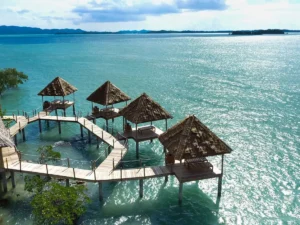
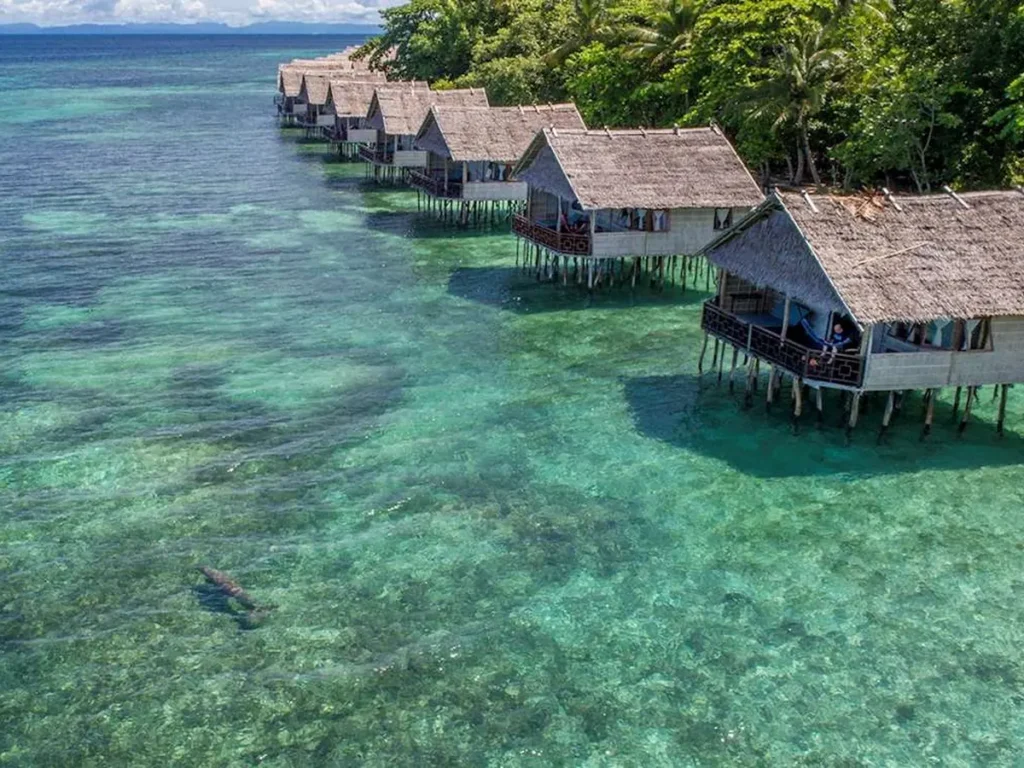
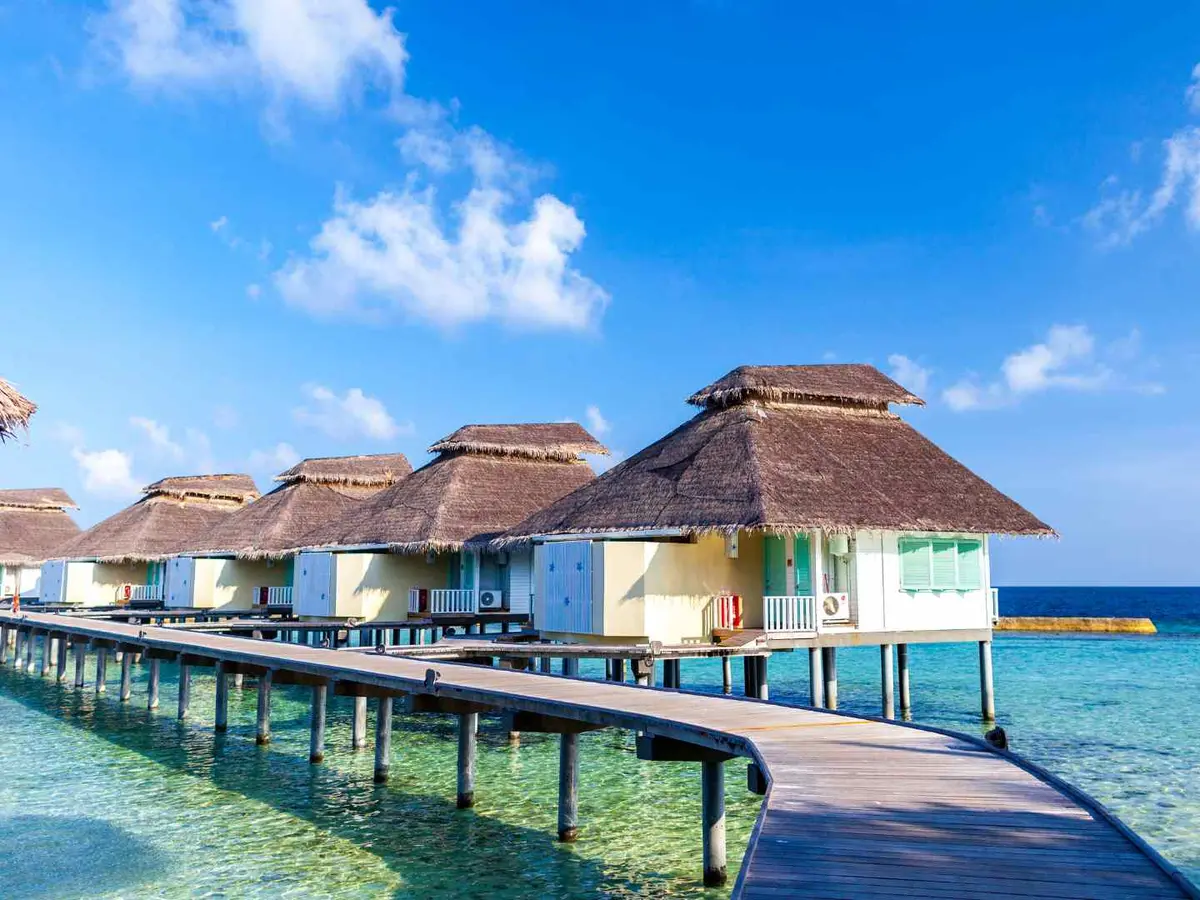
Papua Paradise Eco Resort has 25 overwater bungalows above a Raja Ampat house reef. It suits divers and snorkelers who value marine life and simple island comforts over private pools.
Most rooms use natural ventilation, and boat transfers from Sorong set the arrival schedule. Compare diving, transfers, and meals in the full trip cost.
The 30-second snapshot
Fourteen Superior, nine Deluxe, and two Premier rooms are currently listed, although an older factsheet shows a slightly different renovated mix. Use the live room directory for booking and request written confirmation if category counts affect a group.
- Exact current inventory: 25 overwater bungalows across three categories.
- Best value: 70-square-metre Superior for naturally ventilated comfort and a large veranda.
- Best splurge: 98-square-metre Premier for air-conditioning and an ocean-view bathtub.
- Core reason to stay: Raja Ampat snorkeling and diving, not conventional nightlife or a giant pool.
Room choice
Superior bungalows pair a king bed, fans, private hot-and-cold shower, desk, minibar, and two-tier veranda with hammock and daybed. They are airy rather than air-conditioned.
Deluxe expands to about 910 square feet (85 square metres) with teak furniture, sofas, semi-open bathroom, sundeck, and panoramic glass doors. Confirm cooling because some current page text blends category-wide and Premier-only amenity lists.
Premier covers about 1,050 square feet (98 square metres) and clearly adds air-conditioning, a four-poster king, lounge corner, double vanity, bathtub facing the ocean, and large sunset deck. Only two make early booking sensible.
Most divers should keep Superior unless cooling is essential, then spend on dives and excursions. Deluxe earns its price for veranda life, while Premier solves heat sensitivity and celebration mood.
Reef and diving reality
Raja Ampat is among the planet’s most biodiverse marine regions, and the house reef can deliver snorkeling and diving close to home. Sightings, visibility, and current remain variable.
Up to four dives daily may be offered in packages, with Nitrox included for qualified divers under current terms. Tanks and weights may be included while equipment, park fees, transfers, fuel surcharges, and specialty trips vary.
Check official protected-area information through Indonesia’s Ministry of Marine Affairs and Fisheries. Buy the current Raja Ampat visitor permit and follow zoning, wildlife, and guide rules.
Our Southeast Asia overwater guide helps compare this reef-first experience. Papua Paradise belongs among the strongest underwater choices and the weakest shopping choices.
Transfer from Sorong
Guests fly to Sorong, meet the resort team, and take a scheduled boat to Birie Island. Arrivals after the resort cutoff require a Sorong overnight for the next transfer.
The current factsheet warns that arrivals after noon may need that hotel night. Confirm the exact boat day, time, pickup point, luggage allowance, and acceptable flight before purchase.
Return boats can leave early to meet Sorong flights, while sea conditions can delay travel. Protect an important international connection with a buffer night.
Use Indonesian immigration for entry rules and BMKG maritime weather for conditions. The resort’s captain makes the final operational decision.
Meals and costs
Packages commonly include full-board meals, tea, coffee, and water, while dive and non-dive plans differ. Alcohol, specialty drinks, transfers, permits, equipment, laundry, spa, and excursions need line-by-line confirmation.
Specialist rates currently price return island transfers separately and add the Raja Ampat fee locally. Dynamic currency conversions make a total in the package’s base currency essential.
Add Sorong hotels, domestic flights, dive baggage, insurance, equipment rental, Nitrox rules, tips, and no-fly buffer. Underwater camera gear creates its own small economy.
The resort has Sunset Restaurant, Sunset Bar, spa, and a dive center, but no surrounding restaurant district. Dietary restrictions and allergies need advance notice.
Our affordable overwater bungalow guide shows why nightly rate alone misleads. Papua Paradise’s true cost includes the boat, park, meals, and whatever happens below the surface.
Who will love it?
Divers, snorkelers, underwater photographers, and nature-focused couples are the obvious audience. The bungalow veranda gives nondivers a genuine marine show between excursions.
Travelers who enjoy quiet, local materials, and natural ventilation can love Superior. Premier suits those who want the reef without surrendering air-conditioning.
Compare the full experience in our complete overwater bungalow guide. Raja Ampat’s biological richness gives this resort an advantage no decorative pool can copy.
Who should skip it?
Skip it if multiple restaurants, nightlife, shopping, or effortless access matter. Remote Raja Ampat is not a casual add-on to Bali.
Heat-sensitive guests should not book a naturally ventilated category hoping sea breeze will always cooperate. Choose Premier or another resort with confirmed cooling.
Travelers unable to manage boats, jetties, and remote medical access need a detailed conversation before paying. Diving also requires suitable fitness, certification, and insurance.
Ideal stay length
Five nights is a sensible minimum after the journey, while seven gives divers a robust program and weather flexibility. Three nights undersells both the transfer and reef.
Photographers and repeat divers can use ten nights easily. Nondrivers should examine excursion variety before committing that long.
Safety
Divers should follow Divers Alert Network guidance, use computers conservatively, hydrate, and respect no-fly intervals. Ask about oxygen, communications, evacuation, and recompression access.
Snorkel with a buddy, understand currents, and use flotation when advised. Never stand on coral, chase wildlife, or enter boat lanes.
Bring essential medication, sun protection, mosquito precautions, dry storage, and a power bank. Remote comfort improves greatly when small failures have backups.
Frequently asked questions
How many bungalows are overwater?
The current room directory lists 25, all over water: 14 Superior, nine Deluxe, and two Premier.
Which room has air-conditioning?
Premier clearly lists air-conditioning. Confirm any cooling claim for Deluxe or Superior before booking.
Are meals included?
Most packages are full board, but inclusions vary by dive or non-dive plan. Obtain an itemized quote.
How do you get there?
Fly to Sorong and join the scheduled resort boat. Late flight arrivals may require a Sorong overnight.
Is it good for nondivers?
Yes for committed snorkelers and nature lovers. Guests needing broad land entertainment may feel limited.
How long should you stay?
Five to seven nights best reward the transfer, while divers can happily stay longer.
Before paying, ask for a current room map, recent category photographs, and one total showing meals, transfer, taxes, permit, dives, and equipment. Clarify construction, private groups, restaurant closures, and spa availability because remote operational changes affect an entire stay.
Also send flight numbers before ticketing and require written approval of the connection. A cheap late arrival becomes expensive when it creates an unplanned Sorong hotel, private transfer, and lost resort night.
A practical booking checklist
Start with the live room count because the website’s directory and downloadable factsheet reflect different renovation stages. Ask the resort to state the number of operating Superior, Deluxe, and Premier bungalows for your dates, then name the cooling system in the category you will receive.
Request recent photographs of the exact category, including the bathroom, mosquito net, veranda, ladder, and distance to the restaurant. Marine timber ages quickly, and a beautiful aerial image cannot show small maintenance details.
For diving, list certification level, logged dives, equipment sizes, Nitrox qualification, camera needs, and any medical concerns. Ask which trips carry fuel supplements and whether four dives means three boat dives plus a night or house-reef session.
For snorkeling, confirm guided house-reef sessions, boat excursions, equipment, flotation devices, and minimum ability. Strong current can make a famous reef unsuitable on a particular tide, and good staff will say so without apology.
Finally, obtain cancellation and weather terms for the Sorong boat, missed flights, and resort closure. Travel insurance should match those actual financial risks rather than offer a comforting title with an exclusion hiding underneath.
Nondivers should request the weekly excursion and spa menu before joining a dive-focused companion. A beautiful veranda is valuable, but seven days become richer when both travelers have plans they independently enjoy.
Couples should discuss how early dive mornings affect shared meals and excursions. Raja Ampat rewards obsession, yet a successful two-person trip still needs shared days and an agreed budget.
Settle that plan before anyone boards a waiting dive boat. The small conversation protects both the relationship and the carefully planned expensive remote Raja Ampat holiday island itinerary.
The verdict
Papua Paradise is one of the rare resorts where every room is truly overwater and the reef is not background decoration. Superior wins on value, while Premier adds the cooling and bathtub that turn a dive base into a splurge.
Confirm the current inventory, boat schedule, permit, and complete package price, then stay at least five nights. Come for biodiversity and veranda sunsets, and the remote logistics feel like a fair admission price.