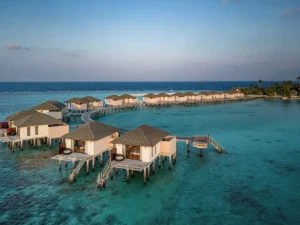
The Blue Sky Resort Koh Payam: An Honest Tidal Overwater Guide
The catch is that the lagoon can empty so completely at low tide that recent guests have described a giant mud patch with no water at all.
The Blue Sky Resort Koh Payam is open and currently sells 30 rooms across villa styles. Zone R is the clearest true overwater category, Zone L shares the design without water stairs, and Lagoon View changes from water to beach or flats with the tide.
The 30-second snapshot
Blue Sky is a small beachfront resort with a 120-seat restaurant, mangrove setting, pool, beach, and island activities. Its appeal is accessible Thai “Maldives” styling, but the water below is tidal and brackish rather than a permanent coral lagoon.
- Exact qualifying inventory: Zone R, Zone L, and Lagoon View categories are documented around the tidal water; unit counts by category are not published.
- Best overwater choice: Zone R for direct steps into water when tide permits.
- Best value: Zone L for the look without direct access, or Lagoon View for a two-level layout.
- Best fit: couples who accept mangrove tides, island transfers, and a quiet resort rhythm.
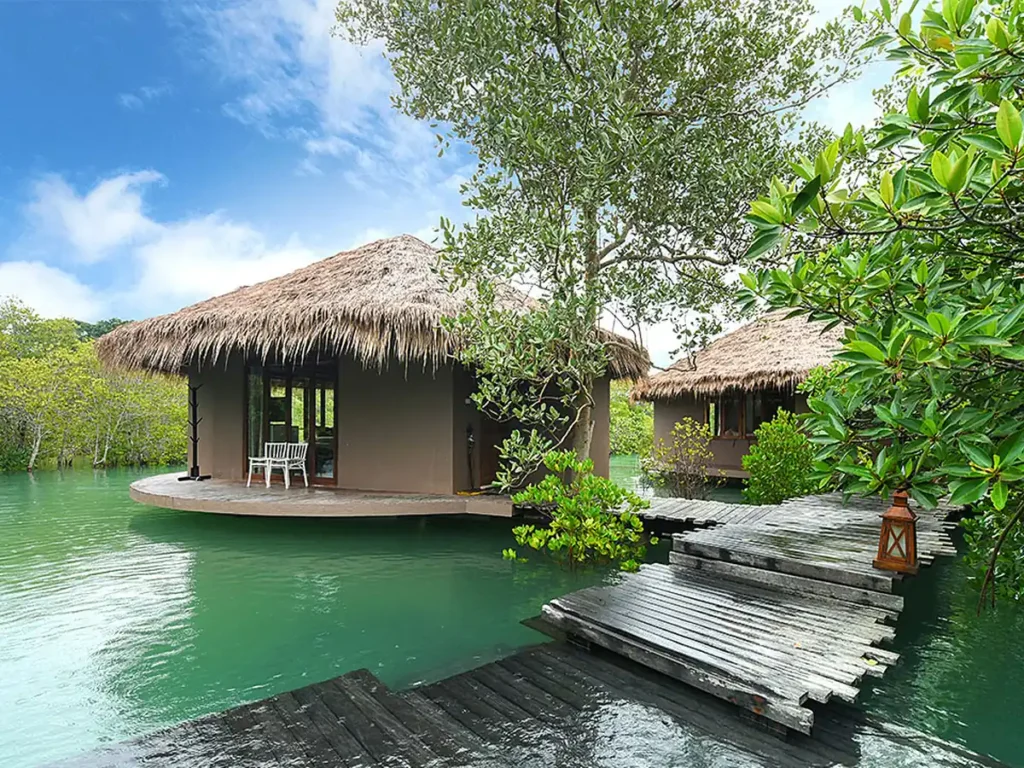
Zone R is the one to book for the dream
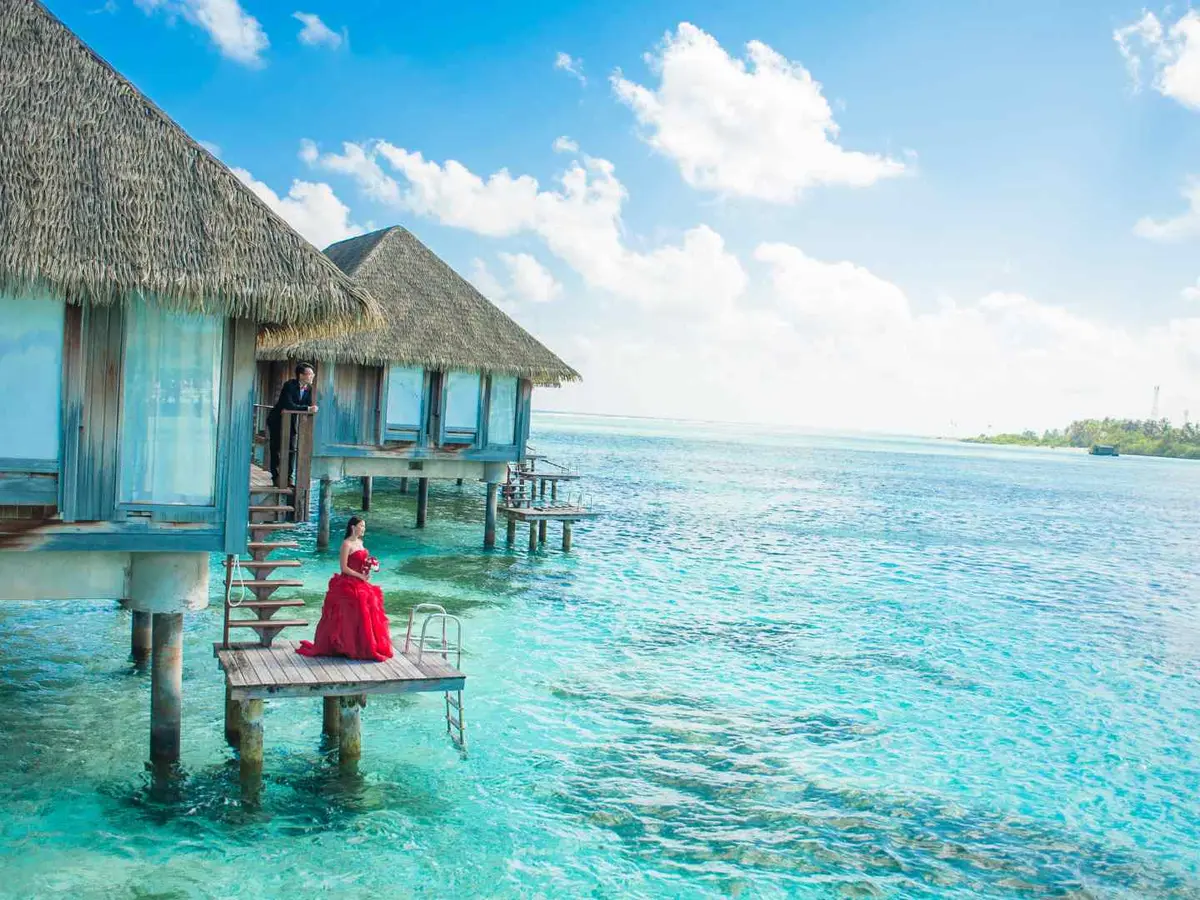
The official Zone R page says the villa sits directly above water and provides steps for swimming. Units stand three to four meters apart with mangroves between them, offering 40 square meters indoors plus a generous terrace under a high grass roof.
A six-foot king bed and sofa bed support two adults comfortably, with capacity language extending further depending on the rate. Amenities include air-conditioning, Wi-Fi, television, minibar, kettle, safe, and shower.
Zone L uses similar Maldives-inspired architecture but explicitly lacks stairs to the water. It can be better value for guests who mainly want the view and design rather than a swim from the deck.
Lagoon View is a duplex with a ground-floor bedroom and upper living room, showing lagoon at high tide and beach or exposed flats at low tide. Its vertical layout suits sunset watchers more than guests avoiding stairs.
How many villas are actually above water?
The resort states 30 total rooms and publishes the qualifying categories, but it does not disclose a reliable operational unit count for each. Gallery-number buttons are photographs, not an inventory table.
Ask reservations for the number of Zone R and Zone L villas, their identifiers, and current operation. Request a map showing generator, restaurant, pool, boardwalk, mangroves, and direct-entry steps.
With recent reviews mentioning generator noise near some rooms, location matters. Ask for the quietest available zone and a same-week photo at comparable tide.
The tide decides the visual mood
This lagoon can look glossy and blue at high water, then drain to wet sand or mud. A February 2026 verified review specifically reported booking a lagoon villa and finding no water during the stay.
That does not prove every date is dry, but it destroys any assumption of permanent water. Ask for local tide tables, seasonal rainfall, mangrove water exchange, and typical hours when Zone R steps reach swimmable depth.
Even at high tide, confirm water quality, current, bottom texture, wildlife, and boat activity before entering. Mangrove lagoons are productive ecosystems, not chlorinated resort pools.
Our Southeast Asia overwater guide helps compare tidal villas with ocean-reef bungalows. Blue Sky offers atmosphere and value, not guaranteed aquarium water.
Getting to Koh Payam
Koh Payam is reached from Ranong by passenger boat or speedboat, with services affected by season and weather. Travelers first reach Ranong by flight, bus, or road transfer, then continue to the pier.
Confirm the current pier, boat timetable, ticket policy, luggage rules, and resort pickup. Late arrivals may require a mainland night because island boats do not run around every flight.
Motorbike taxis and local transport cover the island, but road surfaces and luggage require care. Ask the resort to arrange the safest transfer rather than improvising with a suitcase.
Use Thai Immigration Bureau guidance for entry rules and the Meteorological Department for weather. Seasonal seas can cancel crossings.
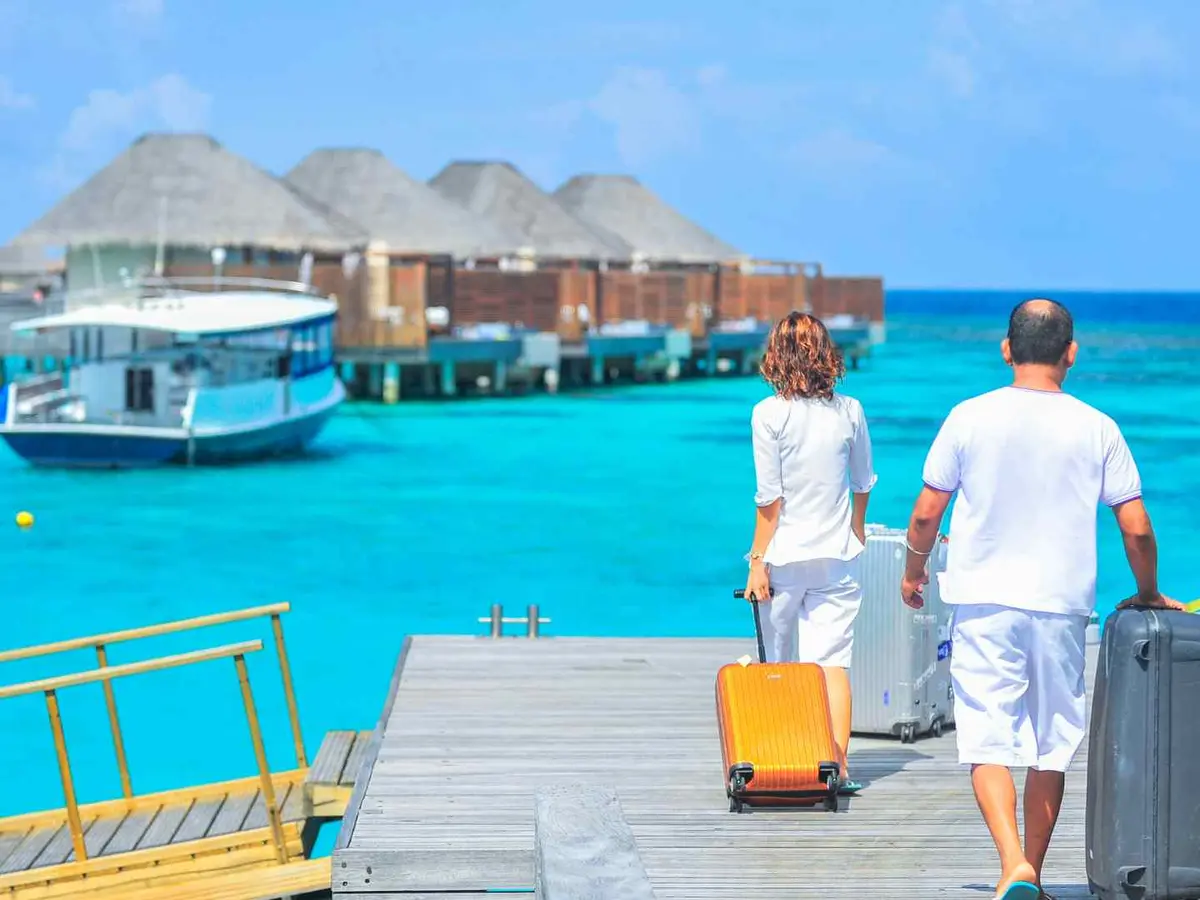
Restaurant and full cost
The 120-seat beachfront restaurant serves resort guests and outside visitors. Current 2026 guest comments praise service and food, but travelers should confirm breakfast, opening hours, dietary options, and low-season operation.
Ask whether breakfast is included, along with drinking water, coffee, taxes, and service charge. Island pricing and limited alternatives make meal structure more important than at a city hotel.
The complete budget includes Ranong travel, pier transfer, boat, island transport, room, meals, drinks, tours, insurance, and a possible mainland buffer. Private boats or missed schedules can dominate the cost.
Our affordable overwater guide provides useful context. Zone L can preserve the visual experience while freeing budget for activities, but only Zone R gives the promised steps.
Who will love it
Couples who enjoy quiet, mangroves, hammocks, island roads, and dramatic tides are the best match. The resort’s styling makes a short celebration feel distinctive without ultra-luxury prices.
Photographers may enjoy the changing lagoon, especially at sunrise and sunset. They should plan for reflections, exposed roots, mud, and water as equally honest parts of the scene.
Travelers combining beach time with island exploration can use the resort as a relaxed base. Ask which beaches and activities operate in the selected month.
Who should skip it
Skip Blue Sky if water beneath the deck at every hour is nonnegotiable. The tide can remove the entire visual premise for part or all of a short stay.
Guests with mobility limitations should note the official warning that the resort is not wheelchair accessible. Boat boarding, island transport, boardwalks, and villa steps compound the issue.
Travelers who need nightlife, many restaurants, shopping, or medical access should stay in a larger destination. Koh Payam trades convenience for quiet.
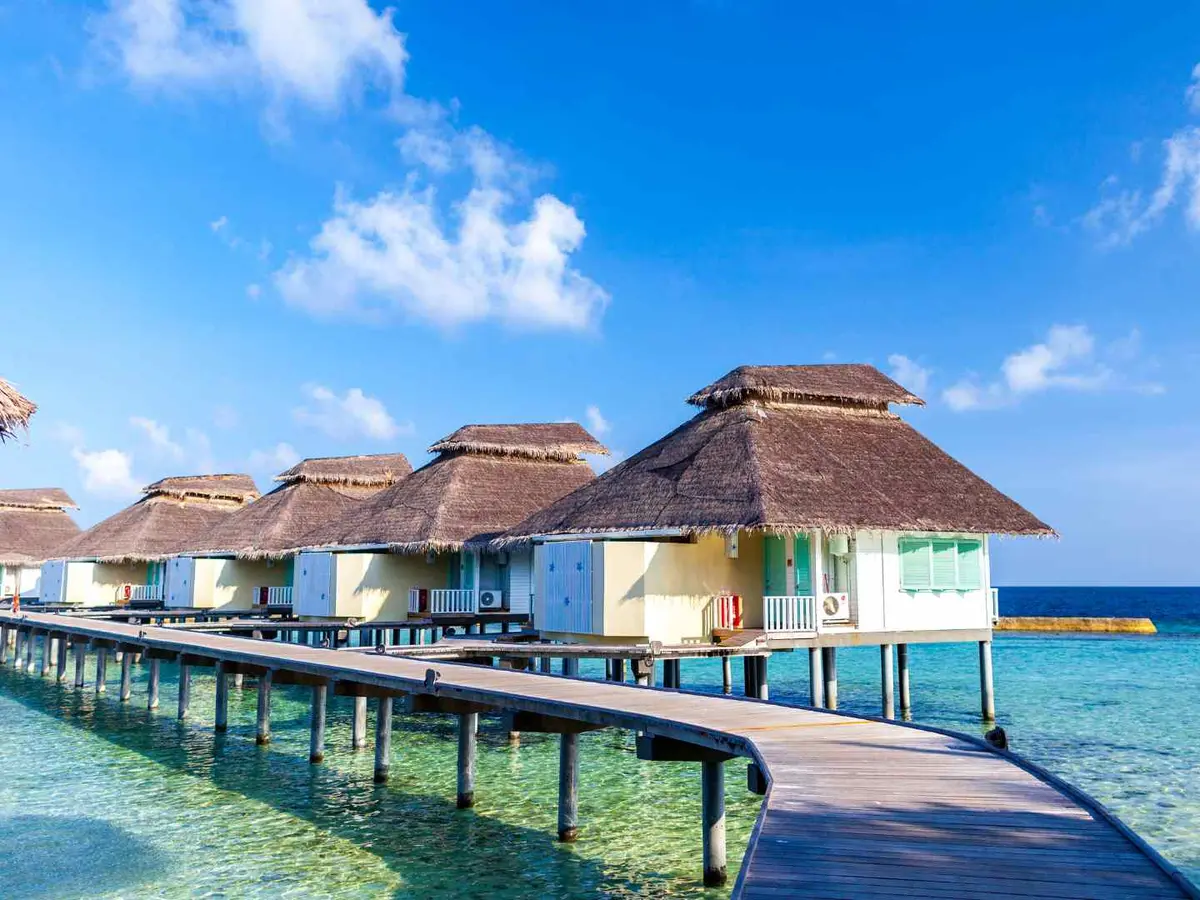
Ideal stay and safety
Three nights work well, while four gives better tide and weather flexibility. Two can succeed when boat connections align and the lagoon schedule cooperates.
Inspect stairs, rails, deck boards, locks, shower drainage, and air-conditioning on arrival. Ask to move promptly if generator noise or maintenance affects sleep.
Enter water only after staff confirms depth and quality, use footwear if advised, and supervise children continuously. Do not disturb mangrove roots or animals.
Before payment
Put Zone R on the invoice if direct water stairs matter. Confirm villa code, operational count, view, tide expectation, generator distance, breakfast, boat transfer, and cancellation terms.
Request recent high-tide and low-tide photographs from the same angle. Marketing galleries should not be the only evidence for a tide-dependent room.
Ask what happens if storms cancel the island boat or lagoon conditions prevent water use. Choose refundable terms when connecting flights and ferries create risk.
How to time the lagoon honestly
Send the resort your exact dates and ask for predicted high and low tide windows, then compare them with sunrise, sunset, breakfast, and checkout. A high tide at 3:00 in the morning offers technically correct water and practically useless photographs.
Ask how spring and neap tides change depth, and whether dry-season water exchange differs from the rainy season. Resort staff can describe the lived pattern better than a generic global tide app.
If water matters more than everything else, stay four nights or split with an ocean-beach hotel. A longer window improves odds without turning natural variability into a guarantee.
If the mudflat sounds interesting, book with enthusiasm and bring binoculars. Mangrove birds, crabs, exposed roots, and shifting light can make the low tide more memorable than a generic blue reflection.
Frequently asked questions
Which villa is truly overwater?
Zone R is the clearest category, with direct steps into water when the tide is high enough. Zone L has no water stairs.
Is there always water under the villa?
No. The lagoon can expose beach, mud, or flats at low tide, and recent guests have reported completely dry views.
How many overwater villas are there?
The resort publishes categories and 30 total rooms but not a dependable count by water zone. Ask reservations.
How do guests reach Koh Payam?
Travel to Ranong, continue to the active pier, then take a scheduled boat or speedboat and island transfer.
Is the resort wheelchair accessible?
No. The official room pages state there is no wheelchair route, though staff may assist elderly guests.
How long should I stay?
Three or four nights provide better tide and weather flexibility than a rushed two-night visit.
The verdict
The Blue Sky Resort Koh Payam offers a charming Zone R overwater experience within a 30-room mangrove resort, but the tide is not a minor detail. Book it for changing nature and island quiet, not a permanent blue lagoon.
Choose Zone R by exact name, request both tide views, and stay three or four nights. The mudflat is part of the ecosystem, even when it refuses to match the brochure.