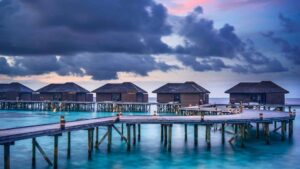
Thailand Overwater and Floating Stays: The Honest Shortlist
Thailand overwater bungalows are the most misunderstood search in Southeast Asia. People picture a Maldives lagoon and land on a tidal channel in Ranong.
The good news is that the real options beat the fantasy.
The honest answer before the myths
Thailand has water-built accommodation, but it has almost no deep-lagoon overwater villas of the kind that fills Pinterest. What it has instead is tidal pole houses on the Andaman coast and floating raft rooms on rivers and reservoirs.
- Genuinely over the sea: a small overwater cluster on Koh Payam, and three pole-house suites on Koh Lanta.
- Genuinely over fresh water: raft houses on the River Kwai in Kanchanaburi and floating rooms on the reservoir inside Khao Sok.
- Not overwater, despite the marketing: lagoon-side suites in the Laguna Phuket complex.
- What you actually get: tides, mangroves, and quiet. Not a glass floor over a coral garden.
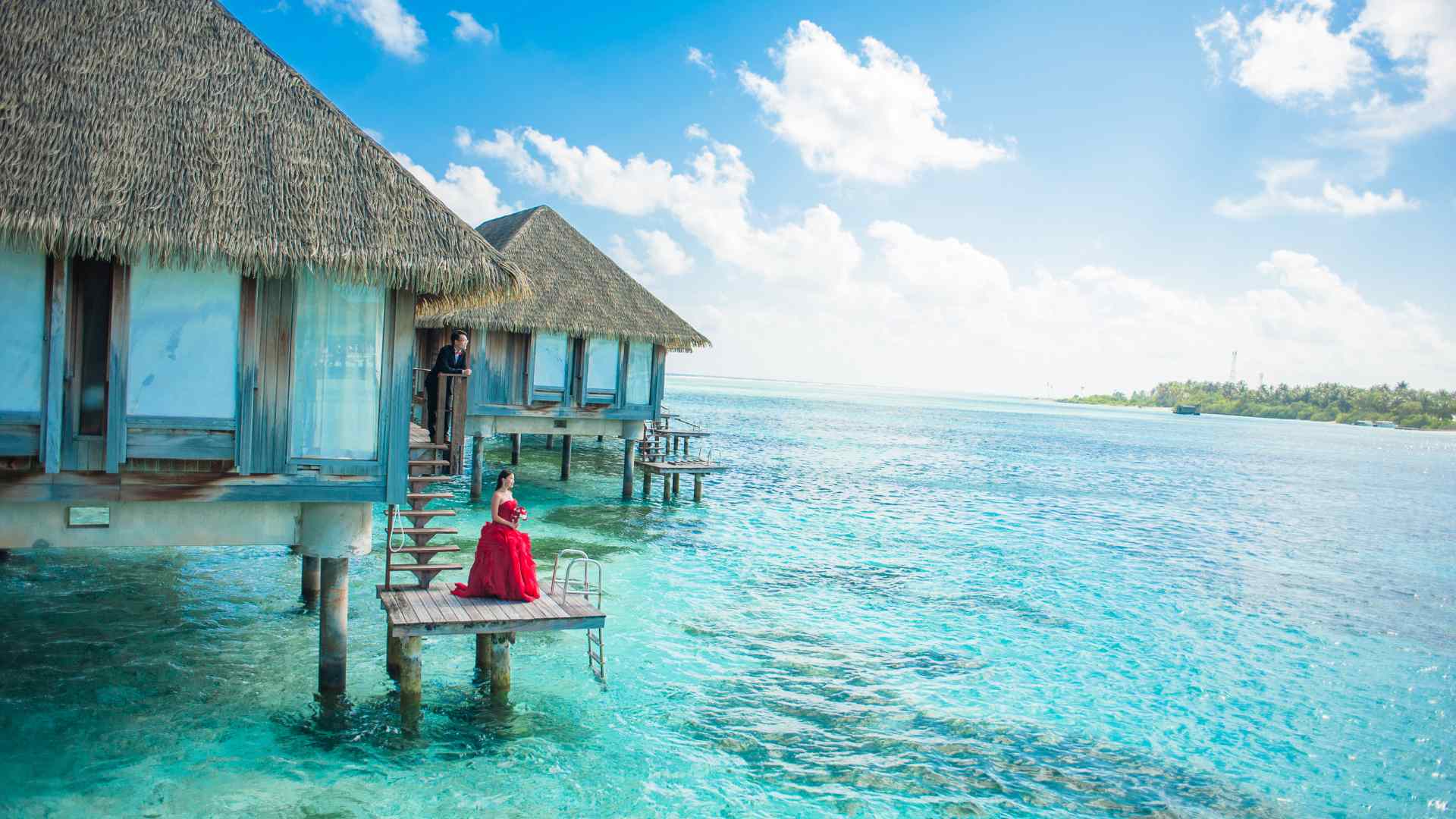
Myth: Thailand has Maldives-style overwater villas
It does not, and the geography explains why. Many Maldives water villas stand above sheltered, consistently submerged shallow lagoon water.
Thailand’s examples tend to sit above tidal channels or inland water, so check the water level and whether deck entry is possible.
Sediment often makes the water look green rather than glass clear. Come for the tidal coast and excellent seafood, not a Maldives-style lagoon.
The correction: stop searching for a Thai Maldives and start searching for the two things Thailand genuinely does. Sea-built rooms on tidal coasts, and floating rooms on inland water.
Myth: the Koh Payam overwater villas are a hidden Maldives
They are hidden, and they are lovely, and they are not that. The Blue Sky Resort villa categories, including the tidal setting explained in my Koh Payam guide, are the clearest example of the gap between a listing photo and a tide table.
The correction: this water drains. At the bottom of a big tide the villas can stand over wet ground rather than swimming water, which is normal here and shocking if nobody warned you.
My verdict: worth it if you want a genuinely quiet island and an overwater deck for the price of a mid-range beach room. Who should skip it: anyone whose entire plan is to swim off the steps at whatever hour they feel like.
Ask for the tide chart for your exact dates when you book. Any Ranong-side property that cannot produce one is not paying attention.
Myth: there is nothing over the water on the big tourist islands
Not quite true, and Koh Lanta is the exception worth knowing. The Mango House pole-house suites above Lanta Old Town are original Chinese-Thai shophouses standing on posts over the sea, not resort architecture pretending to be old.
The correction: this is a town stay, not an island resort stay. The Mango House room list includes Seafront Suites and a family villa, and you walk out into a working street with coffee and boat traffic.
My verdict: my favorite water-built stay in Thailand, and it is not close. The timber creaks, the tide moves under the floor, and it feels like somewhere rather than anywhere.
Who should skip it: honeymooners expecting a resort, and anyone who wants a pool and a beach club. Old Town has neither.
Myth: Phuket has overwater bungalows
Phuket has water everywhere and overwater bedrooms nowhere. The rooms most often mistaken for them are the Angsana Laguna Phuket island suites, which are lagoon-side rather than lagoon-built.
The correction: a room ringed by water is not a room on stilts in water. The photograph looks identical from a drone and completely different from your balcony.
My verdict: a perfectly good family resort that should stop appearing in overwater roundups. If you booked it expecting a ladder into the sea, you were mis-sold.
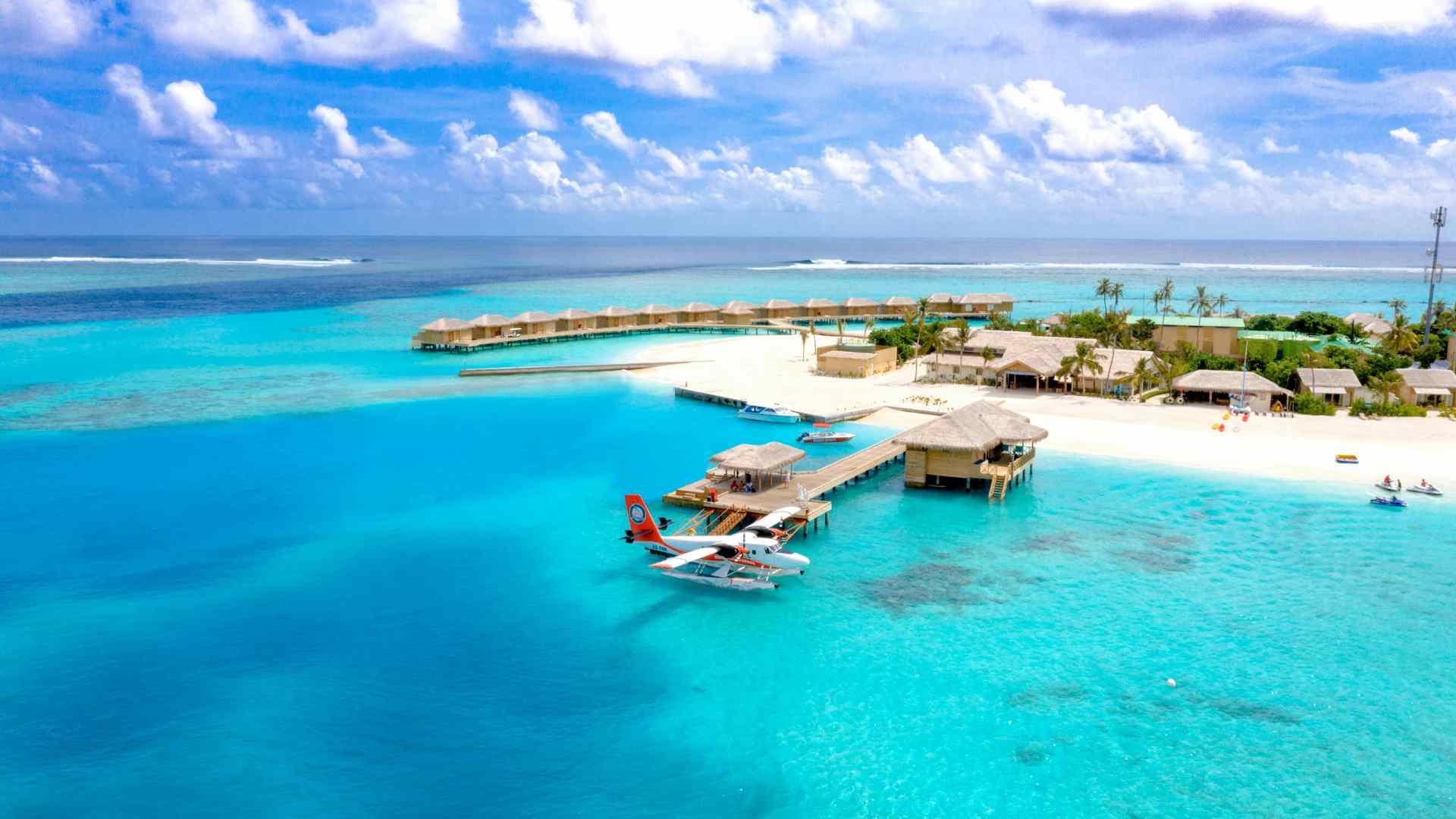
Myth: floating raft rooms are a downgrade
This is the correction I care most about. Thailand’s best nights on water are inland, on the River Kwai in Kanchanaburi and on the reservoir inside Khao Sok National Park.
A raft room is not on stilts. It floats, which means it rises and falls with the water and you feel it move when a longtail passes.
On the reservoir the water sits between limestone karsts that go straight up out of it, and the morning fog burns off around the time the gibbons start. I would trade a mediocre sea villa for that every single time.
The tradeoffs are real, though. Many raft houses run on generator power with scheduled hours, the bathrooms range from decent to basic, and the cheapest ones share facilities.
Confirm power hours, private bathroom status, and whether the rate includes the boat transfer, because those three items change the trip completely. Standards vary enormously property to property, so check current details directly rather than trusting a roundup.
Myth: an overwater room in Thailand costs a fortune
This one is backwards, and it is the best argument for the whole category. Thailand is the only place I know where sleeping over water is a mid-range decision rather than a five-figure one.
The correction: the money goes on getting there, not on the room. Ranong and Kanchanaburi are both awkward to reach from Bangkok, and that friction is what keeps the rates sane.
Budget for a long minivan or an overnight bus, or accept a domestic flight and a transfer on top. Rates move a lot by season and by property, so price your dates directly rather than trusting a number you read somewhere.
What I would not do is book one night to tick it off. Every one of these places takes half a day to reach and rewards you on the second morning, not the first evening.
Myth: you can book this any time of year
Thailand has two coasts with opposite weather, and the water-built stays sit on the side that closes. Andaman properties on small islands frequently shut for the southwest monsoon, roughly May through October, because the boat crossings stop being reasonable.
Koh Payam is a boat ride from Ranong, and that boat is the whole plan. Check the seasonal operating dates before you book flights, not after.
Inland raft stays run more of the year but swing with reservoir and river levels. My overwater weather calendar by destination covers how the regional seasons line up.
Where I would go instead, and I say this fondly
If the overwater villa is the non-negotiable part of the trip, Thailand is the wrong country and I will not pretend otherwise. Fly two hours further and the picture becomes real.
Malaysian Borneo does this properly, from the whole water village at Sipadan-Kapalai to the quieter Lankayan water chalets. On the peninsula, the Pangkor Laut sea villas are the closest polished thing to a Thai fantasy, with a spa rather than a reef.
Indonesia goes further still. Bawah Reserve in the Anambas and the Misool water cottages in Raja Ampat are the two I would actually spend money on, and the full regional picture sits in my Southeast Asia overwater comparison.
What to ask before you pay a deposit
These five questions have saved me more trips than any review site. Send them in one message and judge the reply as much as the answer.
- Water depth: how deep is it under the room at the lowest tide during my dates, in feet?
- Access: is there a ladder or steps from my deck, or do I walk to a beach?
- Power: is electricity and air conditioning available all night, or on scheduled hours?
- Transfer: is the boat or road transfer included, and what is the last departure of the day?
- Room photo: can you send a picture of this exact room type taken this year?
The last one is the tell. Properties that maintain their timber are delighted to show it off, and the ones that do not go quiet.
Fast answers
Are there any true overwater bungalows in Thailand?
Yes, a very small number, and they sit over tidal water rather than a deep lagoon. The Koh Payam villas and the Koh Lanta pole houses are the two I would name, and both come with a tide caveat you must read before booking.
Can you swim directly from the deck?
Sometimes, and only around high tide at the sea-built properties. Plan your swimming around the tide table rather than assuming the water is there, and read my guide to judging what is actually under a resort before you commit.
Is a raft house on the River Kwai worth a night?
Yes, and I would give it two rather than one, because the river is best at dawn and you will sleep through the first one. Confirm power hours and bathroom arrangements when you book, since the range between properties is enormous.
What is the best month to go?
November through March for anything on the Andaman side, when the seas are calm and the small-island boats run reliably. That is also peak season, so book earlier than feels necessary.
Who should skip Thailand for this trip entirely?
Anyone booking a honeymoon around a specific overwater image, and anyone who cannot tolerate a green-water swim. You will spend the week comparing your view to a photograph of somewhere else.
If you only remember one thing
Thailand’s water stays are about tide and river, not lagoon and reef. Book them for that and they are wonderful, book them for the fantasy and they will disappoint you on the first afternoon.
My pick is the Koh Lanta pole house with two nights on the Khao Sok reservoir bolted on. If that combination does not appeal, the global overwater shortlist by trip style will point you somewhere that does.
Small Thai island properties open and close seasonally, and raft-house standards shift with ownership. Verify operating dates, tides, and what your rate includes with the property itself before you pay anything.