Overwater Bungalows for Non-Swimmers: Paradise Without the Pressure
You do not need to swim like a dolphin to love an overwater bungalow. You do need a resort where the view, pool, restaurants, deck, and excursions are enjoyable without anyone treating a leap into deep water as compulsory vacation homework.
Overwater bungalows for non-swimmers in 30 seconds
- Standout: The best choices deliver lagoon drama from dry, comfortable spaces.
- Best for: Couples or friends with different comfort levels around water.
- Biggest catch: A private ladder can open into water that is deep, rough, or hard to exit.
- My pick: A sheltered resort with a generous main pool, easy beach, short jetty, and plenty to do on land.
This is a planning guide, so I would not force one hotel link into the opening and pretend it solves a very personal decision. Start with the non-swimmer’s actual boundaries, then shortlist resorts that make those boundaries feel ordinary rather than inconvenient.
First, define what non-swimmer means for this trip
Some non-swimmers are happy standing in waist-deep water, while others dislike getting on a boat or even seeing open water through a glass floor. Those are different holidays, and the booking questions should sound different too.
Talk through pools, beaches, ladders, boats, jetties, darkness, and being alone in the villa before comparing room photos. I would rather have one candid conversation at home than discover on arrival that the celebrated deck makes one guest nervous.
A weak swimmer may want a fitted life jacket and a guided activity, but a water-averse traveler may want no aquatic plan at all. Both deserve a vacation that works without coaching, persuasion, or a running joke about finally taking the plunge.
If mobility, balance, fatigue, or vision also affects the experience, use our overwater villa accessibility questions alongside this guide. Swimming confidence is only one part of moving safely through a resort built above water.
The villa should be wonderful with the ladder ignored
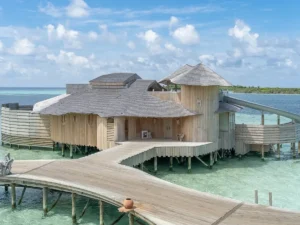
Imagine the ladder has been politely removed from the brochure. Is the room still worth the upgrade for its sunrise, shaded deck, privacy, breeze, outdoor lounge, bath, or uninterrupted horizon?
That little test prevents paying mainly for direct lagoon access that one traveler will never use. I would favor a spacious deck with substantial railings and excellent seating over a small platform designed around getting wet.
Glass floor panels can be delightful, neutral, or unsettling, especially after dark. Check whether they can be covered and whether the bedroom, bathroom, or entry route requires walking across one.
A private pool gives the group another way to cool off, but depth, entry steps, handrails, and an infinity edge still matter. A shallow ledge is not automatically a safe standing area, and online photos are terrible at reporting depth.
Choose the lagoon for your eyes, not your itinerary
Calm-looking water is not a promise of easy swimming. Tide, depth, current, coral, boat traffic, weather, and the position of the villa can change what happens below a deck during the day.
The CDC guidance on swimming while traveling is usefully unromantic about local warnings, weather, health, and unfamiliar water. I would follow local staff restrictions even when the lagoon is doing its most convincing postcard impression.
For a non-swimmer, the better question is often whether the lagoon is calming to look at from the room. Color, boat movement, wind exposure, privacy, and nighttime lighting shape that experience more than a reef species list.
If another traveler plans to snorkel, compare their needs without turning the non-swimmer into the person who waits. Our house reef guide helps identify resorts where the swimmer can get easy water time while their companion enjoys the same part of the island.
A main pool can matter more than a private one
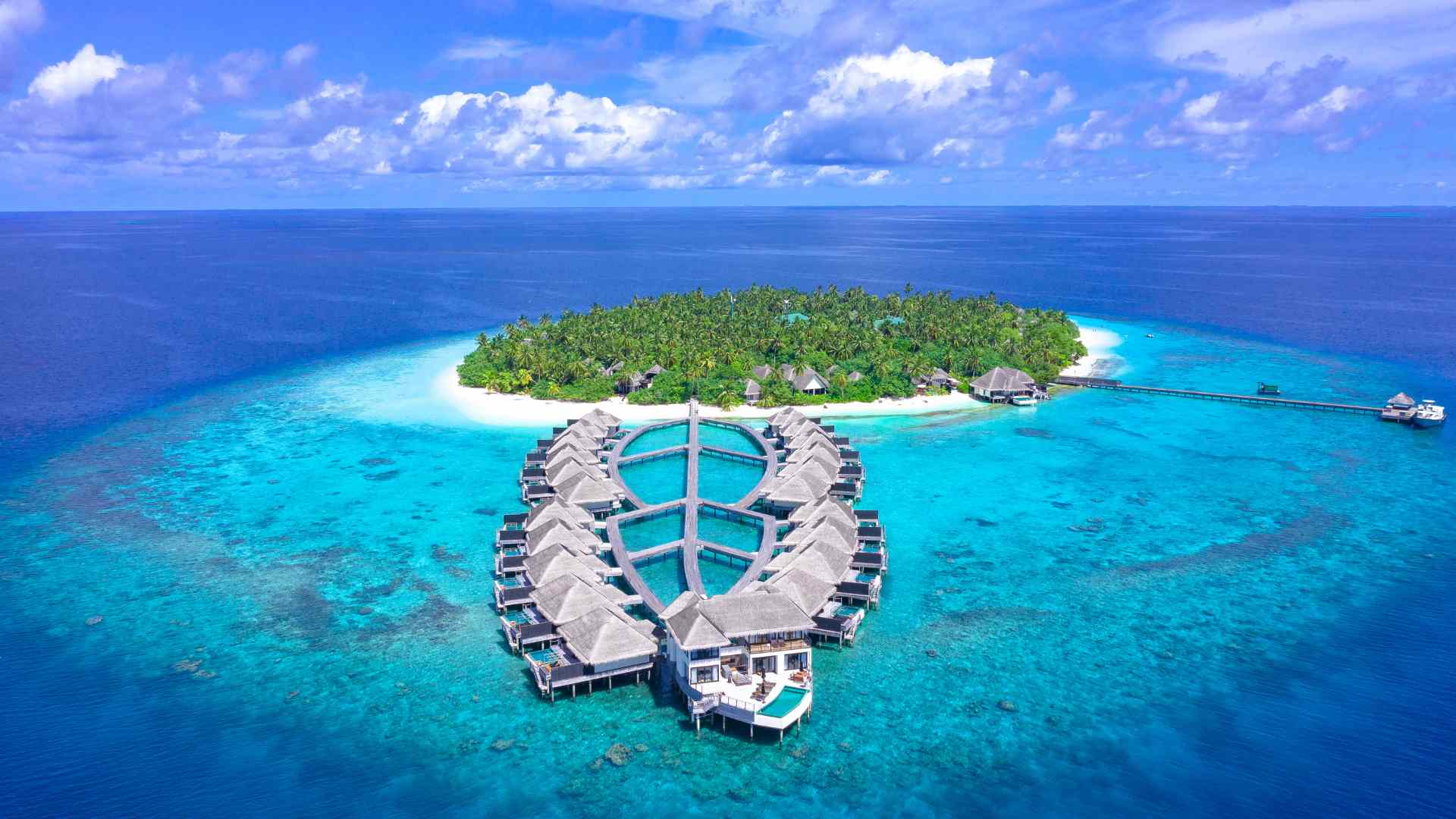
A large resort pool may offer broad steps, a gradual entry, handrails, attentive staff, and a comfortable place to sit near the water. It can be much friendlier than a beautiful villa plunge pool reached by narrow submerged steps.
I would request the pool depths and entry style, then look for recent wide photographs rather than tight glamour shots. The useful image shows how a real person gets in, where they can stand, and whether shade exists nearby.
Pool culture matters too. A quiet infinity pool, an energetic activity pool, and a family splash zone can all be good, but only one may fit the traveler who wants to practice floating without an audience.
If swimming lessons are part of the plan, arrange them with a qualified instructor before treating the pool as a classroom. The American Red Cross water-safety resources reinforce that skills and confidence build through appropriate instruction, not vacation pressure.
The deck deserves a proper inspection
Look for continuous railings, gaps, furniture placement, changes in level, wet walking surfaces, lighting, and the route between the room and outdoor seating. A low rope or open edge may be intentional design, but it will not feel romantic to everyone.
I would ask for a current photo taken from inside the villa toward the deck door and another facing back from the lagoon edge. Those angles reveal thresholds, steps, rails, and exposure that aerial photographs happily keep secret.
Wind can make a far-end villa feel more exposed, while a villa near shore can feel busier but reassuringly connected. Our villa-position guide helps balance walking distance, boat noise, water conditions, and privacy.
If the traveler worries about sleepwalking, panic, or a child opening doors, an overwater room may simply be the wrong room. A gorgeous beachfront villa can preserve the scenery and return a remarkable amount of peace to the night.
Transfers are part of the water experience
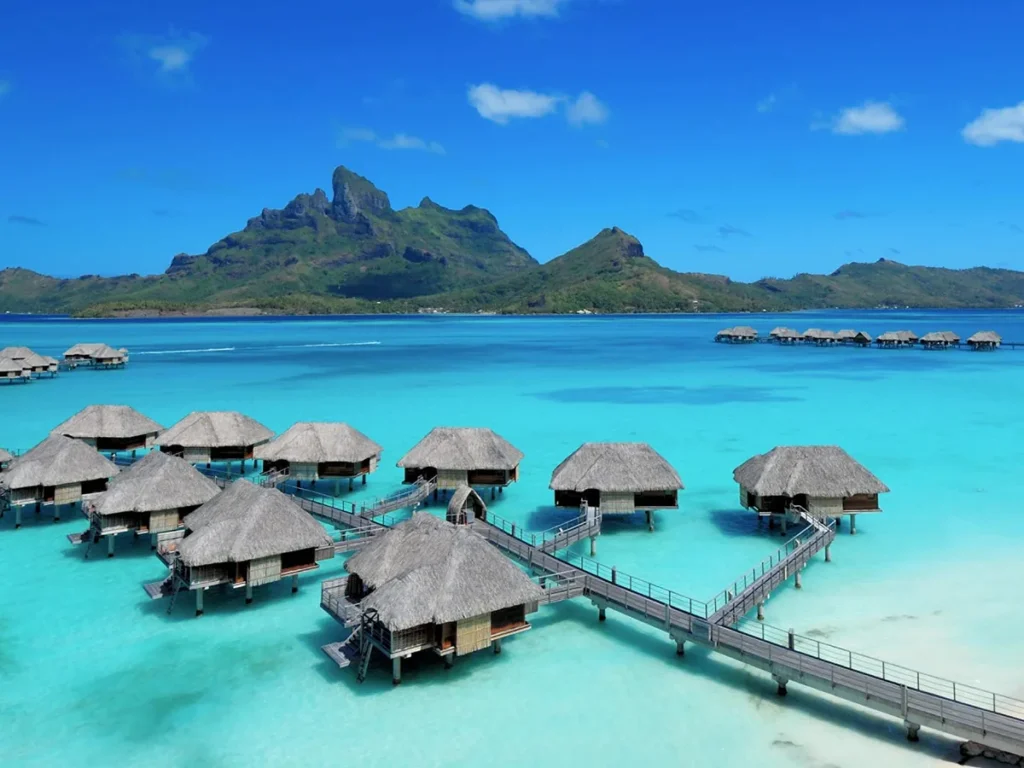
Many island resorts require a speedboat, ferry, seaplane, or some combination. A traveler who dislikes deep water may be comfortable on a large ferry and miserable on a small open boat, so the word transfer is not enough information.
Request the vessel type, boarding method, typical ride length, handholds, seating, weather exposure, restroom availability, and help with steps. A dock gap that seems trivial to staff can become the most stressful moment of the trip.
A properly fitted life jacket is protective equipment, not an admission of failure. The Coast Guard life-jacket guidance explains why fit and actual wear matter, and the operator’s safety instructions should control on every transfer.
For short escapes, I often prefer a simpler transfer even when a remote resort is slightly more spectacular. The vacation begins faster, departure day feels gentler, and nobody spends the preceding week rehearsing a boat ride in their head.
Build a dry-land day you would genuinely choose
Spa treatments, cooking classes, nature walks, art, cultural programs, fitness, gardens, libraries, and excellent dining can make water optional. The key is a real schedule, because a vague promise of activities sometimes translates to one yoga class and a very determined chessboard.
Check which experiences run daily, which require a minimum group, and which cost extra. I would plan at least one satisfying dry activity per full day without filling every hour like a corporate retreat in linen trousers.
Dining locations also deserve a map. A restaurant reached only by boat, a sandbank dinner, or a bar at the far end of an exposed jetty may sound enchanting until it becomes the only evening choice.
Room service can be a useful backup, but it should not become the non-swimmer’s permanent hiding place. The resort is a better match when its public spaces feel inviting and easy to reach.
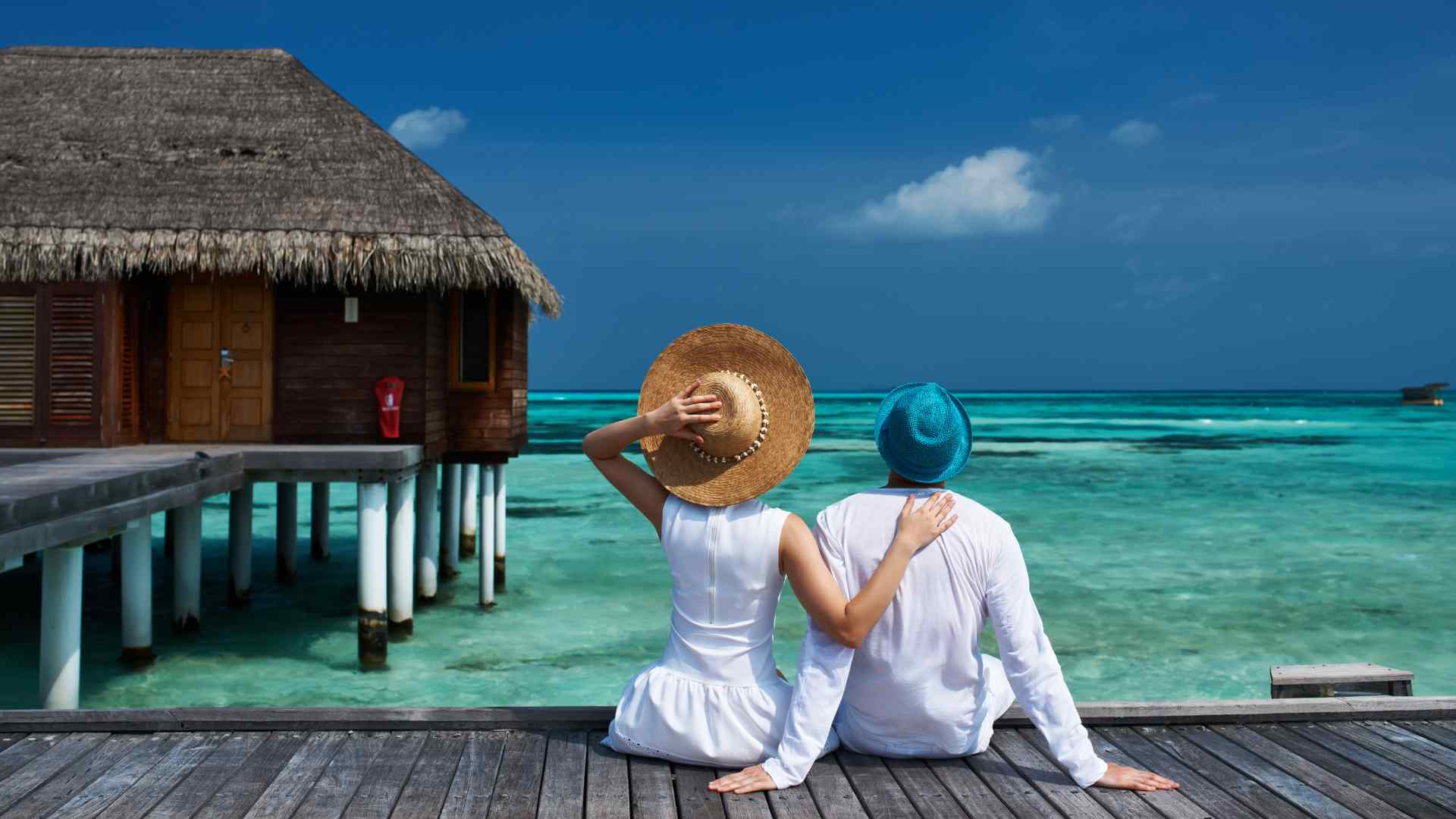
How couples with different water confidence can both win
I would schedule the confident swimmer’s snorkeling or diving when the other traveler has something equally appealing, not merely something available. A spa treatment, private breakfast, photography walk, or shaded pool afternoon can feel like a choice rather than consolation.
Agree in advance that nobody will be surprised with a water activity. Romantic spontaneity has many excellent forms, and an unannounced boat excursion is not one of them for a person who has already said no.
A guided boat trip may work if the non-swimmer wants scenery and the vessel feels secure, but participation should never depend on entering the water. Confirm shade, seating, return timing, and whether staying aboard is normal.
The best shared resort lets each person have a full day and creates easy places to reunite. Nobody should feel brave for the sake of the booking or guilty for using the villa differently.
My pre-booking reality check
- Room: Railings, thresholds, deck lighting, pool entry, and any glass floor all feel comfortable.
- Route: The jetty is manageable in heat, rain, wind, and darkness, with buggy help if needed.
- Transfer: The vessel and boarding method suit the traveler’s real comfort level.
- Resort life: Pools, dining, spa, and activities create a complete trip without swimming.
- Plan B: A land villa is available if the overwater layout does not pass the confidence test.
I would save the answers and room-layout images with the reservation, then review them while cancellation is still flexible. Specific, calm replies are a good sign; relentless reassurance without measurements or photographs is not.
Frequently asked questions
Can a non-swimmer safely stay in an overwater bungalow?
Yes, many can enjoy one without entering the lagoon, provided the deck, railings, routes, transfers, and emergency plan suit that traveler. Safety depends on the exact property and person, not the room label.
Is a private pool useful for a non-swimmer?
It can be, especially when it has broad steps, a comfortable standing depth, and a handrail. A deep plunge pool with a narrow entry may offer little practical benefit beyond the view.
Should a non-swimmer wear a life jacket on the resort boat?
They should follow the operator’s instructions, and wearing a properly fitted approved life jacket is a sensible layer of protection. Fit, fastening, and keeping it on matter more than simply seeing jackets stored nearby.
Which villa location is easiest for a nervous guest?
A near-shore villa with a shorter jetty often feels easier, although traffic and privacy may be the tradeoff. The best position minimizes the specific triggers that traveler has already identified.
My verdict
The right overwater bungalow for a non-swimmer is not the one that promises to change them. It is the one that delivers a generous, memorable vacation while allowing the ladder to remain nothing more than very expensive deck decoration.