Chobe Water Villas: Namibia River Safari Guide
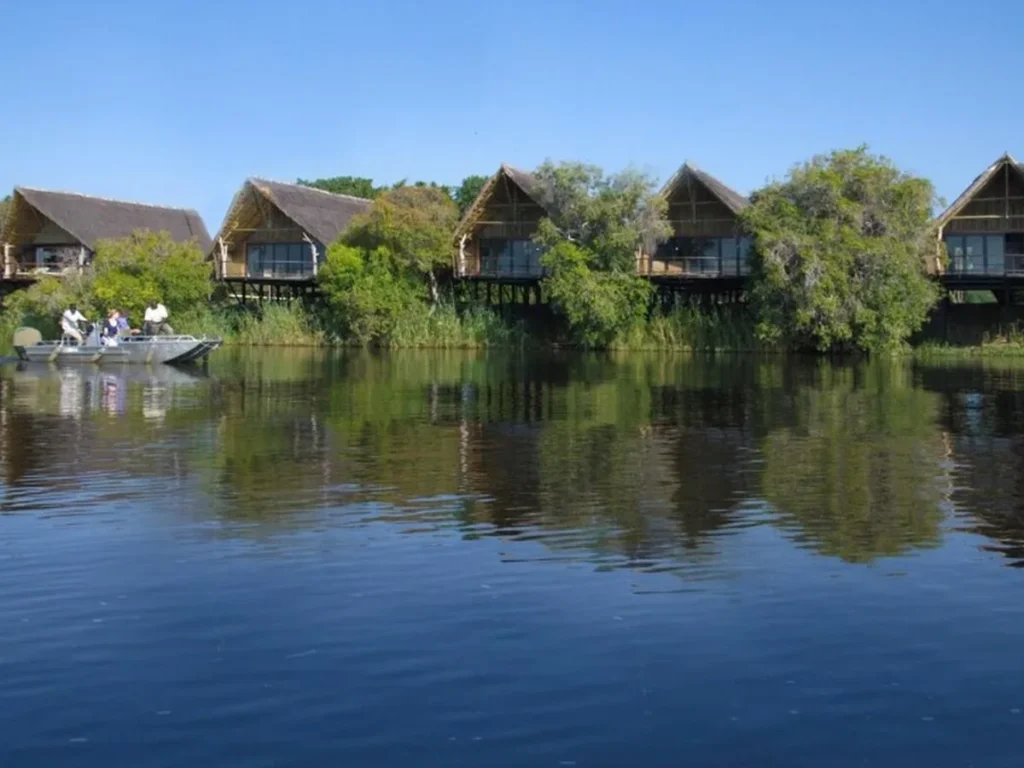
Chobe Water Villas offers 16 stilted villas overlooking a wildlife-rich river between Namibia and Botswana. Choose it for boat safaris and quiet wildlife watching from your deck, rather than a swim beneath the room.
You enter through Botswana and cross the border by boat. Check immigration hours against both flights before committing to a short stay.
The 30-second snapshot
This is a safari lodge on the Namibian side of the Chobe, normally accessed from Kasane in Botswana by road and boat. Fully inclusive stays can bundle meals, local drinks, transfers, and two daily game activities, while every villa provides a broad river view.
- Exact inventory: 16 water villas, all in one principal category.
- Best reason to book: wildlife viewing from a quiet riverfront base opposite Chobe National Park.
- Water reality: villas sit on stilts over or beside a wild river with crocodiles and hippos, not swimmable lagoon water.
- Ideal stay: three nights, or four for photographers and a weather buffer.
The villa inventory is wonderfully simple
O&L Leisure’s current property page verifies 16 Luxury Water Villas, each around about 910 square feet (85 square meters) with an open-plan sleeping and lounge area, en-suite bathroom, air conditioning, minibar, and private balcony. Floor-to-ceiling doors open toward a 180-degree river panorama.
There is no elaborate upgrade ladder, so view, privacy, walkway distance, and accessibility matter more than category names. Ask whether vegetation, water level, or lodge structures affect the precise outlook.
Young adults aged 13 to 17 can share on a sleeper couch under published policies, while children 12 and younger are not accepted because of the lodge design and location. Confirm the rule and charge before including anyone’s age creatively.
Our Africa overwater bungalow guide places Chobe among river and lake stays that feel completely different from tropical reef resorts. Here, binoculars beat snorkels.
The river is not your swimming pool
The Chobe supports crocodiles, hippos, current, seasonal water changes, and boat traffic. Guests should never enter the river from the villa or assume a stilted deck implies recreational swimming.
Wildlife viewing happens from private decks, purpose-built boats, vehicles, and lodge viewpoints. Follow guides around animals and never approach, feed, call, or block wildlife for a photograph.
The lodge pool provides the safe place for a cooling swim, subject to current operation. River water supplies atmosphere and ecosystem rather than direct access.
Photographers should bring weather protection, spare batteries, long lenses, and quiet patience. An elephant sighting is more satisfying when nobody is leaning over a railing shouting directions at it.
The international transfer is part of the adventure
Most guests fly into Kasane Airport in Botswana, transfer by road to immigration, then cross the Chobe by lodge boat to Namibian immigration. Fully inclusive packages currently include the road and boat segments.
Published immigration hours are limited, with Namibia generally operating from morning to late afternoon and Botswana closing earlier than many urban borders. Confirm current times, flight compatibility, document needs, and contingency plans directly.
Travelers need entry permission for both Botswana and Namibia, even when Botswana feels like a transfer corridor. Use official Namibian immigration information and Botswana government sources for passport and visa rules.
Yellow-fever documentation, medication, insurance, and minor-travel consent may also matter by route. Send passport details only through verified channels and carry paper copies offline.
Game drives versus boat safaris
Fully inclusive rates commonly offer a choice of two safari activities daily, including Chobe game drives and boat cruises. The land perspective can reveal predators and woodland species, while the river excels for elephants, hippos, crocodiles, and birds.
Mix both rather than repeating only one format. Morning and afternoon conditions change light, temperature, animal movement, and photography.
Ask about group size, vehicle configuration, boat shade, bathroom breaks, walking demands, camera support, and private-guide supplements. A nominally included activity can feel very different from a private excursion.
Fishing and cultural visits may also be available, subject to season and community operation. Engage respectfully and ask how fees benefit local people.
Dining and the complete cost
The lodge sells bed-and-breakfast, dinner-inclusive, and fully inclusive plans, with inclusions varying sharply. Fully inclusive generally covers breakfast, lunch, tea, dinner, local beverages, minibar, transfers, and scheduled activities.
Premium imported alcohol, spa treatments, shop purchases, tips, and extra activities are excluded. Flights and comprehensive insurance remain outside the lodge bill.
Compare packages by adding the activities and transfers you would buy separately. A higher inclusive rate can be more transparent than a cheaper room attached to a pile of safari invoices.
Dietary needs should be sent early because this is a remote, small lodge. Confirm allergies, meal timing around activities, packed food, and water provisions.
How to plan the safari days
Check the official Botswana Tourism Chobe overview for park context, then let the lodge shape daily timing around current conditions. A rigid species checklist is less useful than a guide who understands river level, heat, and fresh sightings.
Alternate early drives with late boat outings so fatigue does not flatten the experience. Build one afternoon with no camera agenda, when the private deck and a cold drink can do their job.
Travelers combining several camps can use our complete overwater bungalow guide to decide whether another water-based stay adds variety or repetition. Chobe is distinctive enough to stand on its own.
Tell guides what you enjoy, whether that is birds, behavior, landscape, or photography, without demanding sightings. Ethical wildlife travel leaves animals free to ignore the itinerary.
Who will love Chobe
Wildlife lovers, birders, and photographers are the obvious audience. The villa view makes downtime feel like a continuation of safari rather than a pause from it.
Couples who value quiet and shared discovery will find the small scale romantic. Our romantic bungalow guide includes softer tropical options, but few with elephants across breakfast.
Experienced safari travelers may appreciate avoiding the busiest Kasane riverfront while keeping access to Chobe activities. Three nights create a satisfying rhythm.
Who should skip it
Families with children 12 or younger must choose another lodge under current policy. Travelers who want swimming from the villa should also look elsewhere.
Guests with limited mobility should discuss steps, boat boarding, docks, walkways, vehicles, and the absence of lifts. Remote safari design can introduce barriers not visible in room photographs.
Anyone uncomfortable around insects, wildlife sounds, boats, or international border logistics may prefer a conventional lodge near Kasane. Nature is the luxury here, and nature occasionally buzzes.
Ideal stay length
Three nights allow multiple land and river activities without turning arrival and departure into half the trip. Four nights suit keen photographers or travelers adding a slower spa and pool day.
One night is technically possible but poor value after two immigration processes. Two is workable in a larger safari circuit, though weather or wildlife luck has less room to change.
Health, safety, and season
Seek professional travel-health advice on malaria risk, vaccines, food, water, heat, and insect protection. Carry prescribed medication correctly and disclose relevant conditions to the lodge.
Stay behind guides, obey boat and vehicle instructions, and never walk unescorted where prohibited. Hippos and elephants deserve enormous personal space.
Water levels, rain, heat, dust, and animal movement change seasonally. Ask what the chosen month typically means for views, insects, vegetation, and activities without demanding guarantees.
Insurance should cover both countries, medical evacuation, safari activities, boat transfers, and cancellation. The lodge includes evacuation assistance on some plans, which is not the same as comprehensive coverage.
Frequently asked questions
How many water villas are there?
Exactly 16, hosting no more than 32 guests under current information.
Can guests swim from the villa?
No. The wild Chobe River contains crocodiles, hippos, current, and boat traffic.
Which airport is easiest?
Kasane Airport in Botswana is the normal gateway, followed by road, immigration, and boat transfers.
Are children allowed?
Guests 13 and older are accepted under current policy. The lodge is unsuitable for children 12 and younger.
Are safaris included?
They are included on fully inclusive plans, commonly with two activities daily. Check the exact package.
How long should you stay?
Three nights is ideal, while four suits photographers and slower travelers.
The verdict
Chobe Water Villas transforms the overwater idea into a genuine safari experience, with 16 rooms facing one of Africa’s great wildlife rivers. Choose a fully inclusive plan when the activities and transfers match your needs.
Come for elephants rather than swimming, stay three nights, and respect the border timetable. This is one bungalow where a passport belongs beside the binoculars.