The Manta Resort Underwater Room: New 2026 Guide
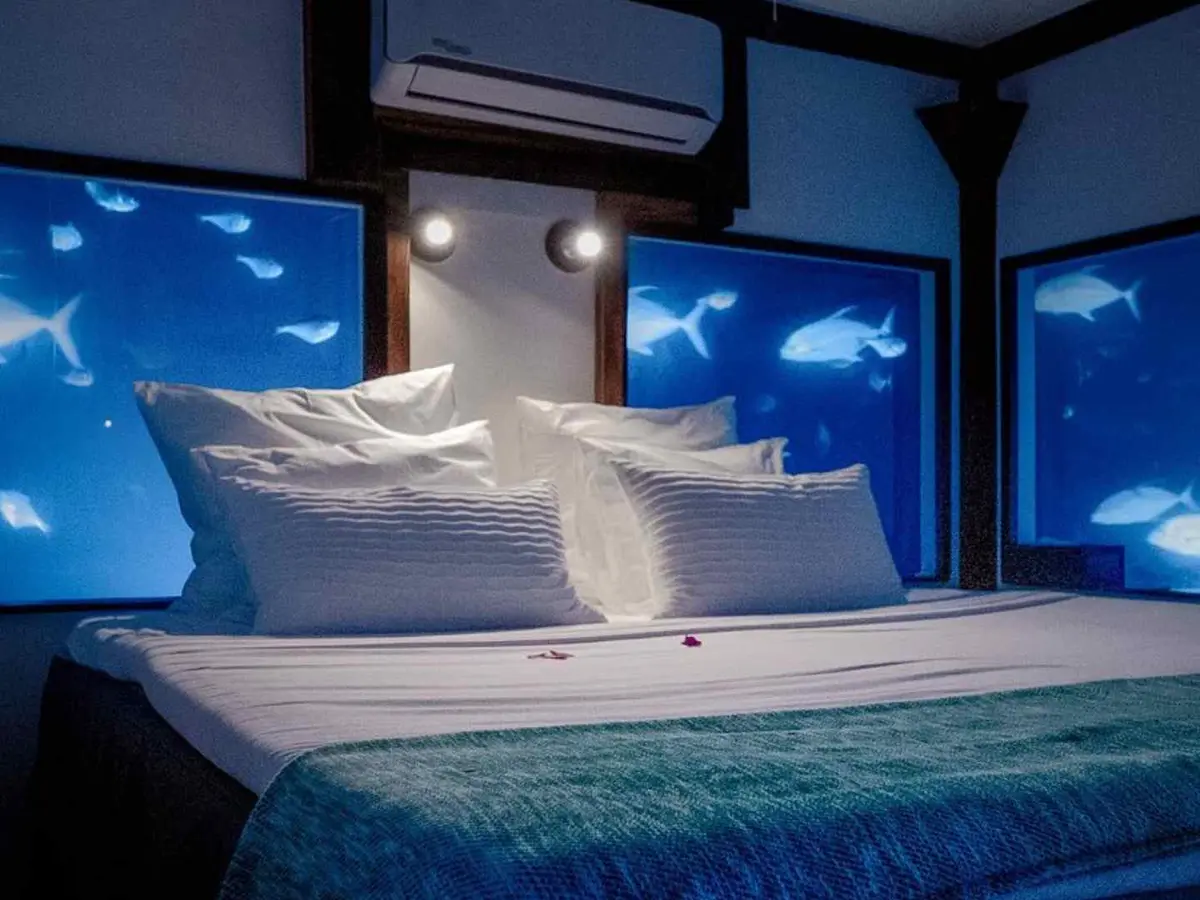
The dream is descending a ladder into a bedroom four meters below the Indian Ocean while reef fish circle illuminated windows in the dark. The catch is serious: Manta replaced its original room in 2026 after maintenance problems, and any booking needs written confirmation that the new structure is operating.
The Manta Resort’s newly reimagined Underwater Room launched in May 2026 off Pemba Island.
The 30-second snapshot
The original structure was fully submerged as reef habitat, so current guests should receive the new one-room experience rather than assumptions based on decade-old photographs.
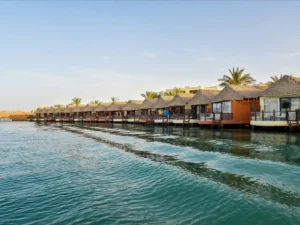
This is one floating three-level villa about 250 meters offshore, with a roof deck, sea-level lounge and dining area, open-air shower, and submerged bedroom. The main resort is a quiet fully inclusive beach retreat with diving, snorkeling, kayaks, daily spa treatment, conservation work, and intentionally limited connectivity.
- Exact inventory: one new-generation Underwater Room, launched in May 2026.
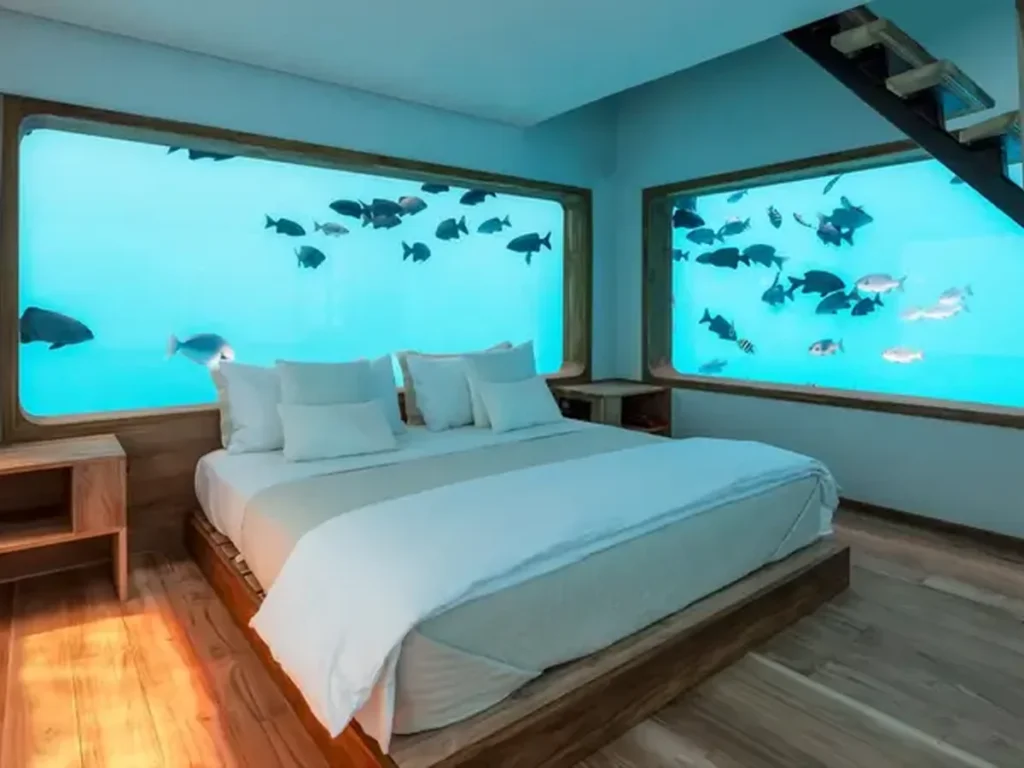
- Bedroom depth: about four meters below the surface, with windows facing open reef water.
- Best booking strategy: one underwater night within a five- to seven-night resort stay.
- Critical caveat: reconfirm operation, refund terms, weather policy, and backup room in writing.
If an underwater bedroom is the draw, compare the open-sea setting with Australia’s Reefsuites and the Maldives underwater suites. Pemba’s remote location makes the transfer and inclusions especially important.
A brand-new room with an important backstory
The resort’s May 2026 launch announcement states that the original room was retired into the protected reef and replaced by a redesigned structure. Genberg Underwater Hotels incorporated more than a decade of operational lessons into materials, systems, safety, and comfort.
The current official room page places the new bedroom roughly four meters below the surface, while earlier sources describe the floating site about 250 meters from shore. Meals can be served at the sea-level deck and guests reach the room by boat.
One recent 2026 review alleged that the previous room was unavailable for repair without adequate notice or refund. A single complaint is not a verdict, but it is a strong reason to demand precise written operating and refund terms.
Ask for recent photographs of the actual new room, commissioning status, safety certification, weather limits, emergency communication, and a full refund if the underwater stay cannot be delivered. Scarcity should not transfer all operational risk to the guest.
How the three levels work
The roof provides sun and stargazing, the central deck handles lounging and meals, and the lower bedroom provides four-sided reef views. That vertical separation makes the experience feel like a tiny private island stacked into one structure.
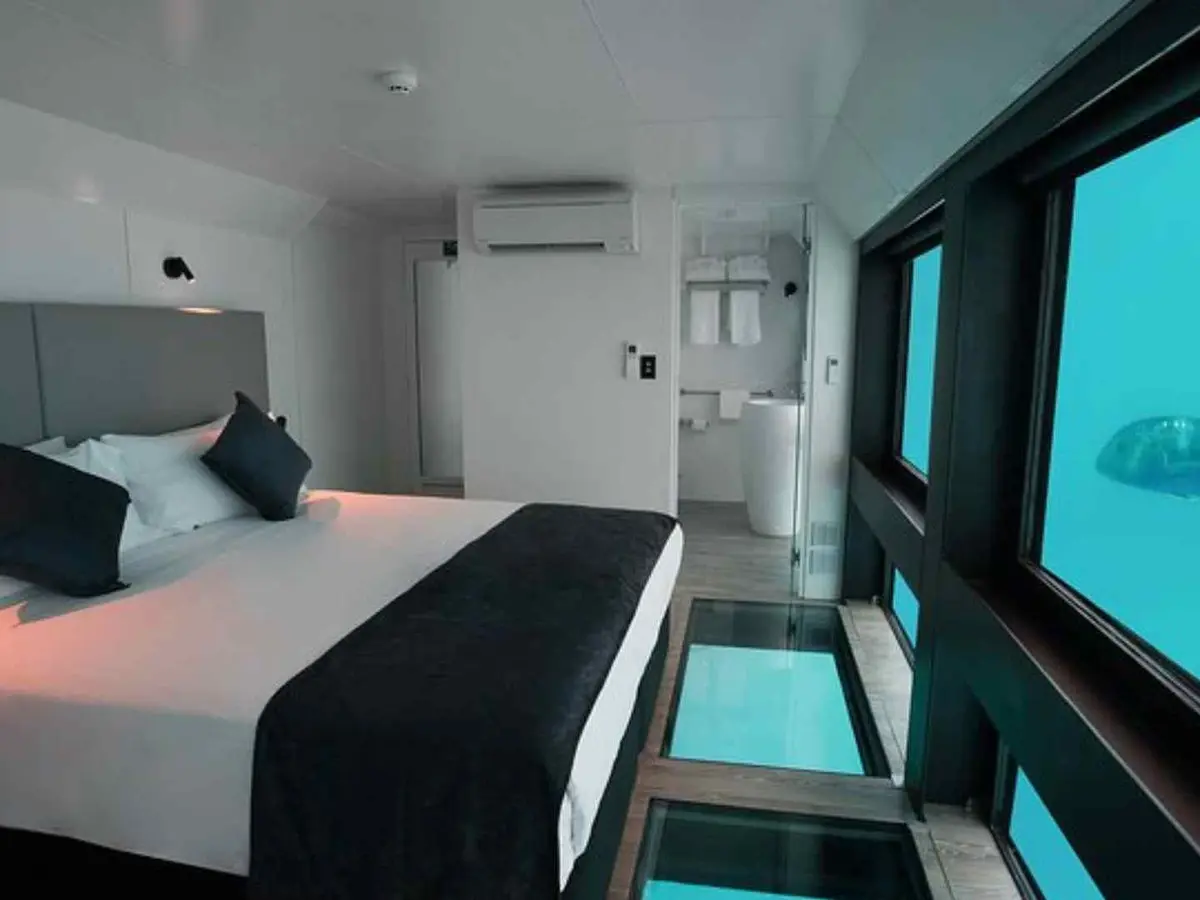
The bedroom is reached internally, and guests sleep behind marine-grade windows rather than entering the water. Confirm ventilation, temperature, condensation, lighting, blackout, noise, and toilet arrangements.
There is no ordinary hotel corridor, immediate room-service kitchen, or casual walk to reception. A dedicated attendant and communication system need to cover meals, weather, medical issues, and any desire to return ashore.
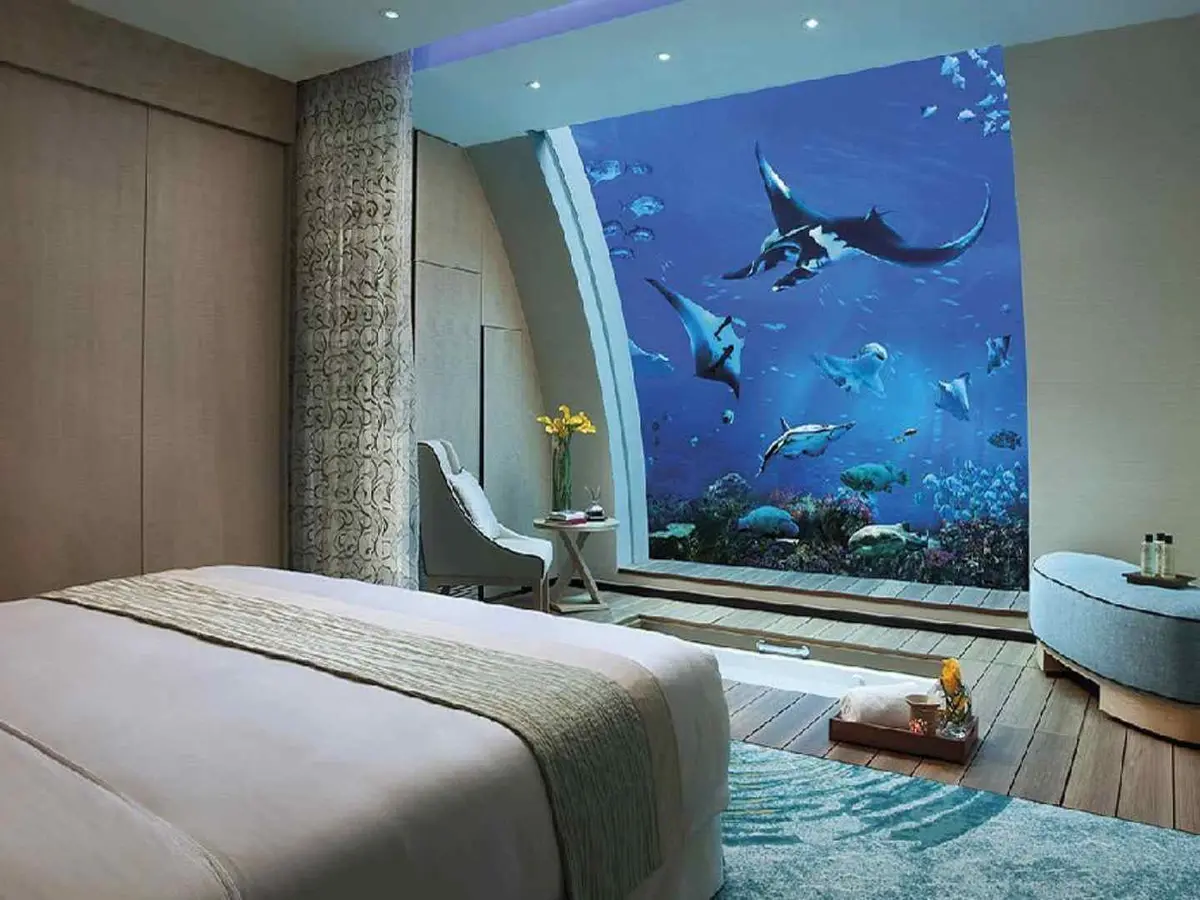
Our underwater hotels guide compares Manta’s open-reef immersion with aquarium-facing suites. This is wilder, more isolated, and far more weather-dependent.
The reef is the entire show
Pemba’s reef life moves freely around the room, so fish sightings, visibility, current, and nighttime activity cannot be guaranteed. Exterior lights attract marine life after dark, creating a completely different view from midday.
Snorkeling or diving from the structure must follow staff instructions, buddy rules, weather, and current conditions. Never enter alone simply because the ladder looks inviting.
Divers should confirm the resort operator, certification rules, equipment, medical form, oxygen, evacuation plan, and chamber logistics. Use Divers Alert Network guidance as preparation, not a substitute for local judgment.
All Underwater Room proceeds are now described as supporting coral restoration, environmental monitoring, and community programs through the Blue Alliance collaboration. Ask for transparent outcome reporting when conservation is part of the value proposition.
Getting to remote northern Pemba
Most travelers fly to Pemba Airport from Zanzibar or Dar es Salaam, then take a long road transfer to the resort. Current terms price the airport transfer per person and per direction.
Flight schedules, small-aircraft baggage limits, road conditions, and weather require buffer time. Avoid connecting an international departure tightly after leaving the resort.
Use Tanzania’s official immigration visa portal and health authorities for current entry rules. Zanzibar may have additional visitor-insurance or arrival requirements beyond a national visa.
The final boat to the room is included with that experience, but confirm when it operates and what weather cancels it. The underwater night should not be scheduled for the final possible evening if rescheduling is important.
Fully inclusive, with notable extras
The resort’s current fully inclusive plan covers meals, beverages including local alcohol, a daily spa treatment per person, kayaks, beach snorkel equipment, laundry, and Wi-Fi in the main lounge. Diving, excursions, airport transfer, and conservation donation are extra.
Wi-Fi does not reliably extend to the offshore room, which is either delicious or alarming depending on the guest. Download books, music, documents, and emergency contacts before boarding.
Conservation fees are charged per person per night and can change; current official terms list a Kwanini Foundation contribution. Add flights, transfers, diving, tips, insurance, and the underwater supplement to the fully inclusive headline.
Meals at the floating room require advance coordination, so send allergies and preferences early. Confirm alcohol limits, drinking water, late-night snacks, and whether staff remain nearby overnight.
One night or two?
One underwater night is enough for most guests because it captures daylight, sunset, dinner, darkness, sunrise, and a morning swim. It also limits exposure to rough weather or cabin discomfort.
Two nights suit confident swimmers and divers who love isolation, provided refund and weather arrangements are clear. More than two can make the main resort’s beach, spa, and restaurant feel unnecessarily far away.
A five- to seven-night total stay with one underwater night creates the best balance.
A responsible booking checklist
Ask the resort to identify the structure as the May 2026 replacement, confirm the dates it entered normal paid operation, and disclose any outstanding limitations. Request the named person responsible for changes before arrival.
Pay by a method with appropriate dispute protection and read cancellation language before sending funds. Keep every message, invoice, room description, and promise in one offline folder.
A dream experience should survive basic consumer questions.
Who will love it
Adventurous couples, reef enthusiasts, and milestone travelers who can tolerate isolation will find this extraordinary. The experience is less about conventional luxury than total marine immersion.
Divers combining safari and coast get a finale that feels impossible to duplicate. Conservation-minded guests may value the new revenue commitment if transparent results follow.
Travelers delighted by limited Wi-Fi, stars, waves, and unscripted fish are the natural fit. The room rewards presence more than productivity.
Who should skip it
Children under 12 cannot stay under current rules, and the wider resort has a minimum child age of seven. Families should use land rooms and confirm policies.
Guests with claustrophobia, seasickness, mobility limitations, medical instability, or strong anxiety about isolation should not force the experience. Romantic photographs do not disclose every practical sensation.
Anyone unwilling to carry operational risk should book only with strong refund protection. The new room reduces uncertainty but does not eliminate marine maintenance.
Safety and seasonal operation
The resort closes during the main rain-season period, with current terms naming April and May. Reconfirm annual closure and high-season minimum stays.
Ask about fire, flooding, electrical, ventilation, communication, rescue boat, medical, and evacuation systems. Learn the exit before sunset and keep essential medication above water in protected packaging.
Weather, current, lightning, and visibility control boat and water activity. Staff instructions should override the bucket list every time.
Insurance must cover remote medical evacuation, diving, small aircraft, weather disruption, and expensive prepaid accommodation. Verify that the insurer understands an offshore underwater room.
Frequently asked questions
Is the original room still operating?
No. It was retired into the reef and replaced by a new room launched in May 2026.
How many rooms are there?
One Underwater Room is currently advertised.
How deep is the bedroom?
The current official room page describes the new bedroom as four meters below the Indian Ocean surface.
Are meals included?
Yes within the fully inclusive plan, with meals coordinated at the floating structure.
Can children stay underwater?
No child under 12 is permitted under current terms.
How long should you book it?
One night within a five- to seven-night resort stay is the balanced choice.
The verdict
The Manta Resort’s new 2026 Underwater Room remains one of travel’s wildest hotel concepts, now rebuilt with operational experience and a conservation funding model. It is also one room in open ocean, where maintenance and weather deserve respect.
Book one night, demand strong written protection, and confirm operation shortly before travel. If everything aligns, the reef outside the bedroom will make ordinary hotel views feel wonderfully inadequate.