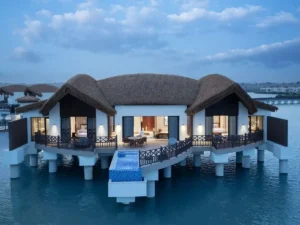
Sunrise or Sunset Overwater Villa? The Better Side Is Personal
Sunset villas win the popularity contest, but sunrise villas often win the afternoon. The better side is the one whose shade, wind, swimming, sleep, and daily schedule let you use the deck instead of merely photographing its compass direction.
What you need to know
- Standout: Sunrise brings early light and often cooler late afternoons; sunset brings the evening show home.
- Best for: Early risers usually enjoy sunrise, while deck-centered evening travelers value sunset.
- Biggest catch: Orientation does not reveal shade, wind, reef quality, boat traffic, or neighbor sightlines.
- My pick: The villa with the most usable shade and calmest safe water, then sunset only when both sides are otherwise equal.
Room orientation should be treated as one line in the villa request, not the entire request. Our overwater jetty position guide shows why privacy and water conditions may outweigh the evening view.
A resort map gives compass direction, but only the room team can explain where shade falls, how the wind reaches the deck, and what sits beyond the camera frame.
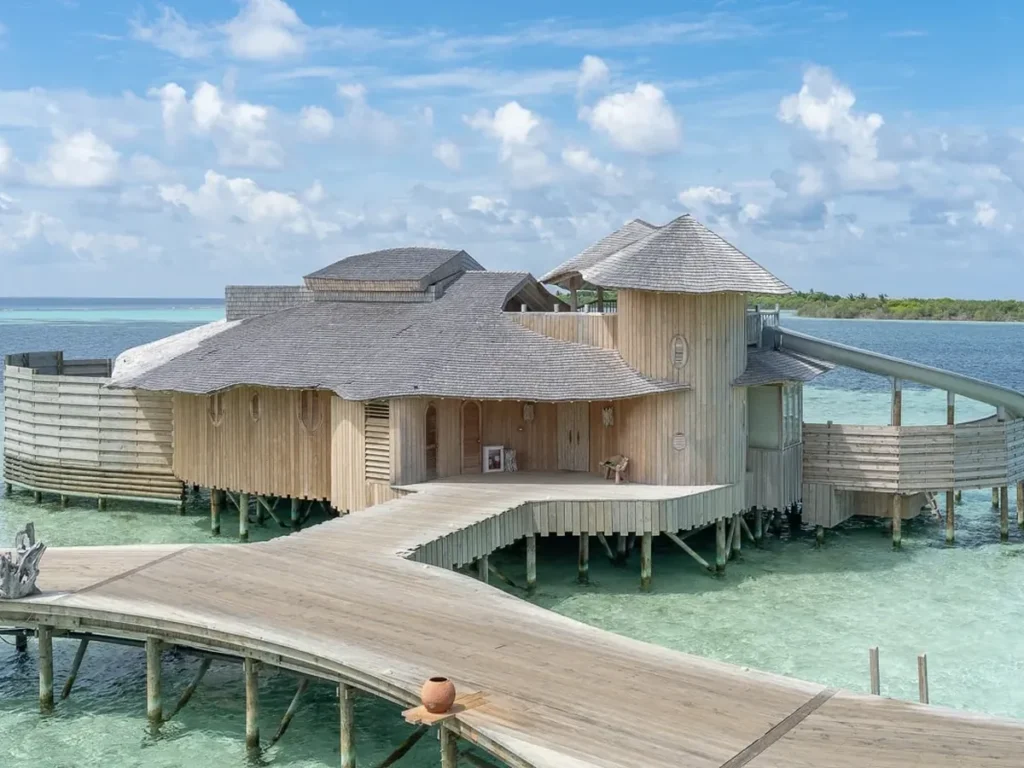
Sunrise is for people who use mornings
East-facing villas put first light near the deck and may feel cooler later in the day after direct sun moves away. They suit early coffee, morning swims, divers, and travelers who naturally wake with daylight.
The sunrise itself is only valuable if you plan to see it. Blackout curtains and a late breakfast can turn the orientation into an unused feature.
Sunrise is my choice for a hot-weather trip when afternoon deck comfort matters more than evening photographs. A shaded late day can add several useful hours to an expensive room.
Morning light may also hit the bedroom earlier. Sensitive sleepers should ask about curtains, window direction, and whether the bed faces the brightest glass.
Sunset is an experience and a heat problem
West-facing villas bring golden light and sunset to the private deck. That is genuinely special when cocktails, dinner, and excursions do not pull you elsewhere every evening.
The same orientation can create strong late-afternoon heat and glare. Shade over loungers and the pool matters more than a poetic category name when the sun sits low.
I would count how many sunsets are already committed to a cruise, bar, or restaurant. Paying a large premium for four private sunsets makes less sense when three are scheduled off the deck.
Public resort viewpoints can provide the same sky with more atmosphere. The villa premium buys privacy and convenience, not a different sun.
Shade is the hidden room category
Ask where roof, gazebo, screens, and neighboring structures cast shade around lunch and later afternoon. A small covered corner may not protect the pool or main loungers.
Season changes the sun’s angle, so an old photograph from another month is weak evidence. The resort should describe the specific category for the travel dates.
Guests with children, heat sensitivity, or plans for long room-service lunches should put shade near the top of the request. Outdoor space only has value when it is comfortable.
I would accept a less dramatic orientation for dependable cover. Two extra deck hours every day are a better luxury than one glowing image.
Wind can reverse the obvious choice
Prevailing wind varies by destination and season, while jetties create local shelter and exposure. A breezy deck can feel wonderful and make lagoon entry choppier.
Resort staff should describe which side is calmer for swimming during the expected period. Current conditions always outrank a seasonal generalization.
Nervous swimmers may prefer the protected side even without their favored light. Strong swimmers still need guidance around channels, reef edges, and boat routes.
The CDC’s swimming and diving guidance reinforces the value of local advice, buddy planning, and realistic limits.
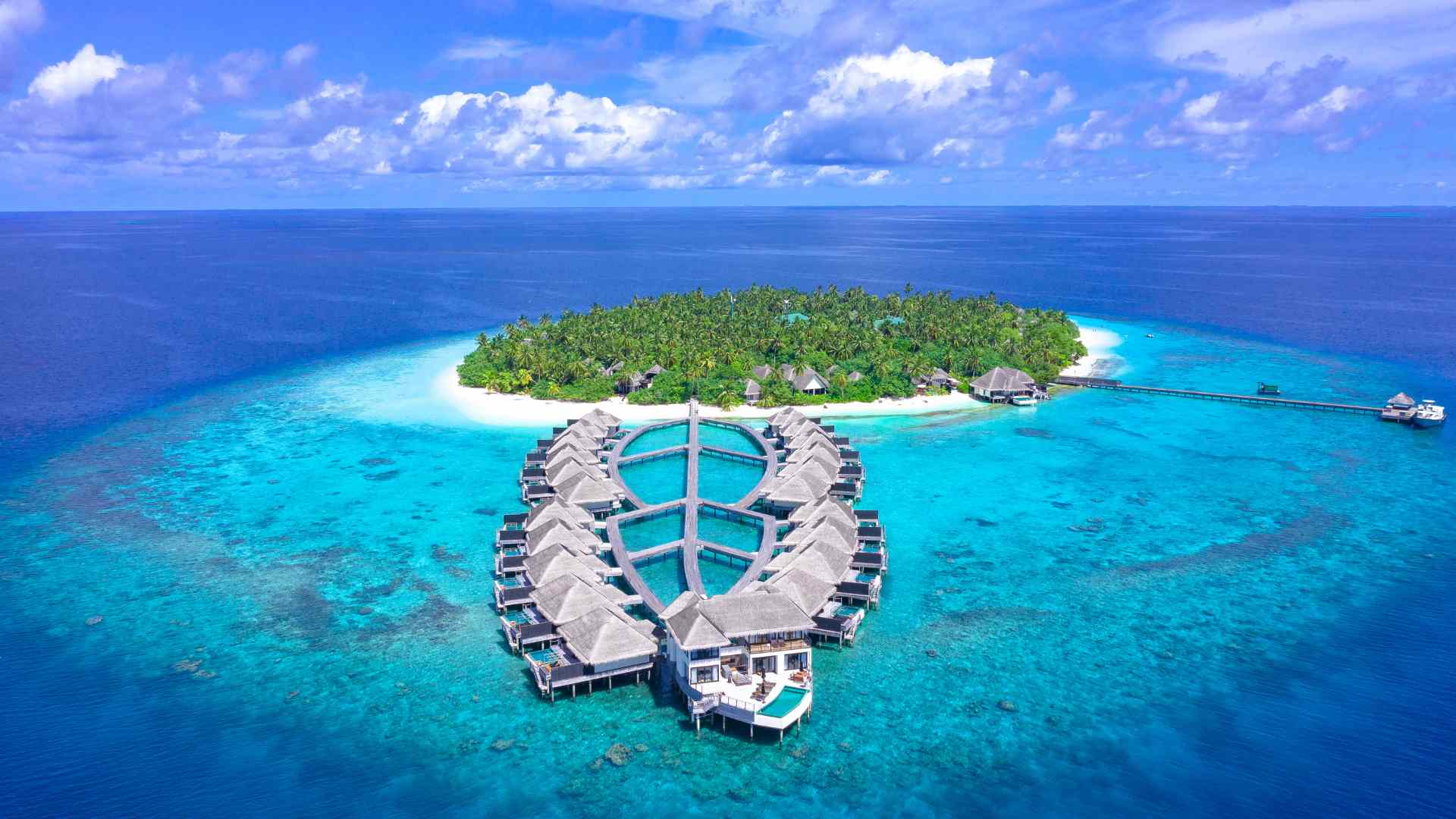
Reef access rarely follows the sunset label
The best coral may sit on one side of the island, near a channel, or beyond an approved entry. A sunset view says nothing about reef health or swimming ease.
Request a current reef map with entry and exit points, current direction, boat lanes, and beginner routes. Our house reef guide explains how to read that information.
The NOAA coral habitat overview is useful background on reef structure, though the resort’s marine team remains the local authority.
Better reef access beats orientation on a snorkeling-led trip. Sunset remains available from a beach or bar, while a safe easy reef route can shape every morning.
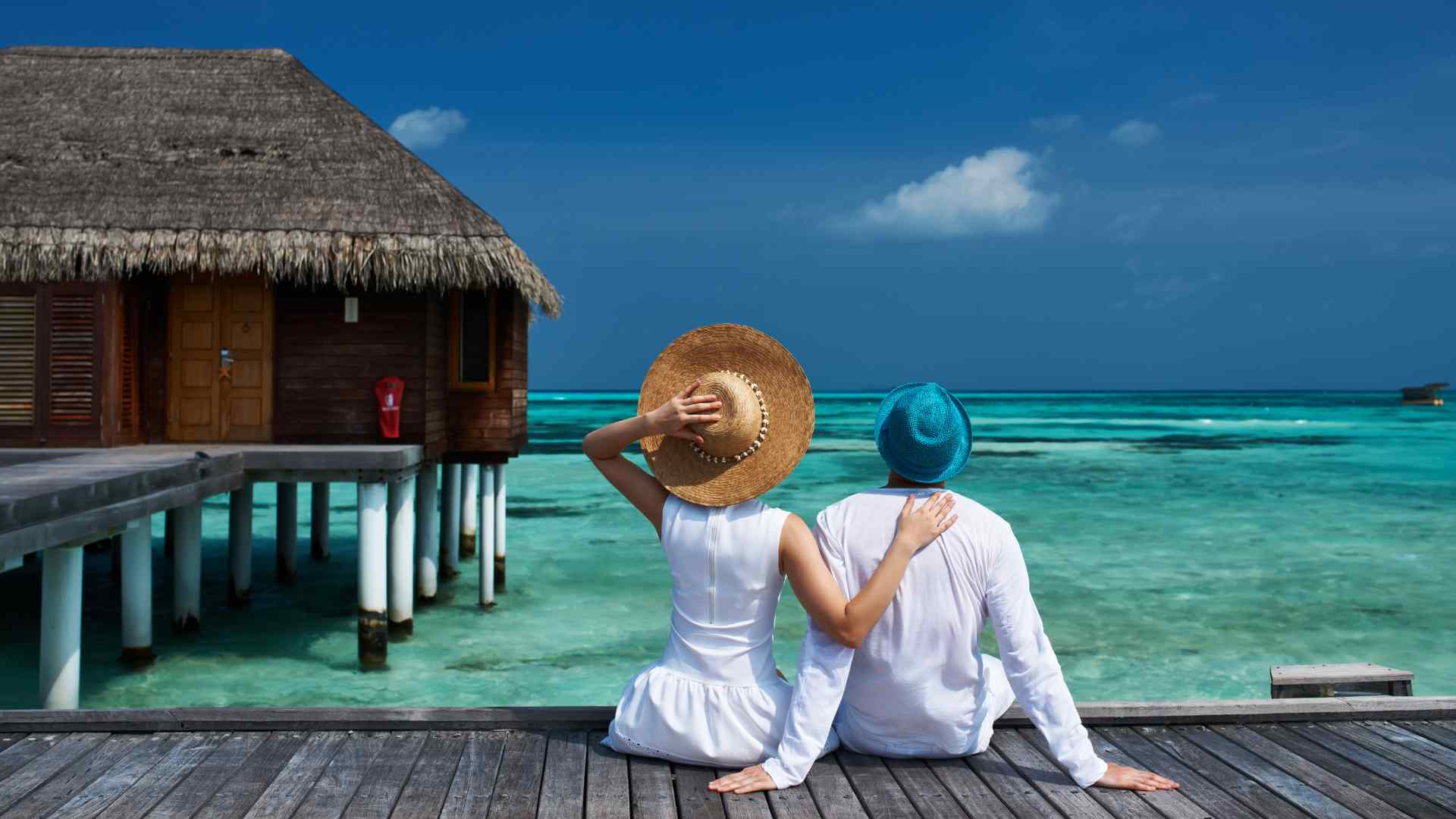
Privacy depends on geometry
A sunset villa can face a public bar, boat route, or neighboring jetty. A sunrise villa can have a clear horizon and little foot traffic.
Define privacy as reduced deck sightlines, fewer walkers, distance from service routes, or open water ahead. The room allocator cannot solve a vague request consistently.
End-of-jetty villas often feel more open but require longer walks and can receive more wind. Central positions trade some seclusion for easier breakfast and buggy access.
Our pool versus lagoon guide helps decide whether contained private water matters more than orientation.
Sleep and jet lag get a vote
East-facing light can wake guests early, while west-facing decks may stay bright and warm close to dinner. Blackout quality and air-conditioning matter on both sides.
Travelers arriving after a long time-zone change should not assume their usual routine survives the first mornings. A sunset villa may suit late sleep better during adjustment.
Light sleepers should ask about boats, restaurants, generators, and staff routes as well as sun. Noise often affects rest more than the view direction.
I would choose the side that supports the desired daily rhythm: early reef mornings, slow pool afternoons, or private sunset drinks.
Weather makes the premium uncertain
Cloud can hide sunrise or sunset on any date. No category guarantees a vivid sky, and a gloomy evening does not make the villa defective.
The National Weather Service water-safety guidance is a useful reminder that visual calm does not prove safe current. Follow local flags and staff direction.
Seasonal wet periods can still produce spectacular light between showers. I would pay for orientation only when the deck features remain worthwhile without a visible sun.
A flexible mindset helps: watch sunrise from bed once, catch sunset at the bar another night, and let cloud turn the deck into a reading room.
Pools and outdoor baths change the answer
A west-facing private pool can collect late heat and glare, while an east-facing pool may lose direct sun earlier. Water temperature, roof shade, and wind protection can matter more than the view at a villa designed for long swims.
Outdoor tubs create a similar tradeoff because afternoon privacy and comfort vary with sun angle. I would ask whether neighboring decks or the jetty overlook the feature during the hours it will actually be used.
When both orientations include identical pools, recent guest photographs can reveal shade patterns that the category description ignores. The resort should still interpret them for the travel month because the sun does not follow one gallery forever.
Room requests work better as ranked preferences
A request for sunset can be impossible when that category sells out or a villa enters maintenance. A ranked note gives the room team useful alternatives such as open horizon first, quiet walkway second, safe lagoon access third, and sunset fourth.
Specific villa numbers are fragile because conditions change. The most private unit in one review may later face a service route, new restaurant, restoration zone, or altered water-sports path.
I would ask for the current map and unedited sightlines instead of copying a stranger’s favorite number. A room allocator can then solve the actual goal rather than reproduce somebody else’s vacation.
When the orientation premium is poor value
Sunset should not cost an extra night, a better meal plan, or the excursion that motivated the trip. The premium needs to be compared with the number of evenings actually free for the deck.
A three-night stay with two dinner reservations away from the villa may barely use a sunset category. An east-facing room with excellent shade and simple reef access can return more daily pleasure for less money.
Travelers who enjoy a social evening may prefer the public sunset bar anyway. The villa orientation is most valuable for couples who sincerely want a private ritual, not those selecting the label because it sounds like the correct luxury answer.
A split orientation can be smarter than one perfect label
On a longer stay, moving from sunrise to sunset sounds appealing but costs packing time and depends on both categories being ready. The swap is worthwhile only when the view change is part of the celebration rather than an attempt to collect every compass point.
I would more often split between a less expensive sunrise villa and a final sunset pool villa, provided the resort handles luggage and the upgraded room adds more than direction. A short stay should remain in one well-positioned room because changing villas can consume the very afternoon purchased for the view.
Photographers may also care about morning light on the room exterior rather than the sun itself. The resort’s media team can often explain which side photographs cleanly at different hours without promising weather.
A five-part decision
- The hours the travelers will genuinely spend on the deck.
- The shade pattern during those hours.
- The side with safer and easier swimming for the group.
- Public venues, boats, and neighboring decks in each sightline.
- The orientation premium compared with another night or better experience.
If the answers remain equal, choose the view that excites you. The goal is not to outsmart sunset but to buy the room you will use.
Quick questions about villa orientation
Is a sunset villa always more expensive?
Often, but not universally. Resort categories, demand, layout, and included features determine the price.
Are sunrise villas colder?
Not necessarily. They often lose direct sun earlier, while wind, shade, season, and construction determine actual comfort.
Which side is better for snorkeling?
Whichever side offers the better current, entry, coral, and approved route. Compass direction alone cannot answer it.
Can I request a specific villa number?
You can request one, but allocation is rarely guaranteed. Ranked preferences remain useful when maintenance or occupancy changes availability.
My final call
I would choose shade, safe water, and privacy before sunrise or sunset. When those practical pieces are equal, pick sunset for private evening ritual and sunrise for bright mornings with cooler late afternoons.
How this guide was researched: I combined official swimming, current, and coral guidance with recurring resort-map and room-allocation questions, focusing on the features that orientation labels leave out.