
Maldives Speedboat or Seaplane? Choose the Transfer Before the Resort
The best Maldives transfer is not automatically the prettiest one. It is the boat or aircraft that works with your international flight, luggage, motion tolerance, budget, and appetite for spending the first vacation day waiting near an airport.
Maldives transfers in 30 seconds
- Standout: Speedboats can run beyond daylight, while seaplanes turn the journey into a spectacular aerial tour.
- Best for: Boats suit short stays and later arrivals; seaplanes unlock remote atolls and smaller islands.
- Biggest catch: Both are usually resort-controlled, weather-sensitive, and more expensive than the room-rate headline suggests.
- My pick: A speedboat for four nights or less, and a seaplane when the remote resort itself is the reason to travel.
Transfer type belongs near the top of a resort comparison, not in the final booking email. Our Maldives overwater bungalow guide is more useful when every candidate is labeled boat, seaplane, or domestic flight plus boat.
The official Maldives travel information explains the country’s dispersed island geography. Resorts arrange most final transfers, so independent online schedules rarely settle the actual guest journey.
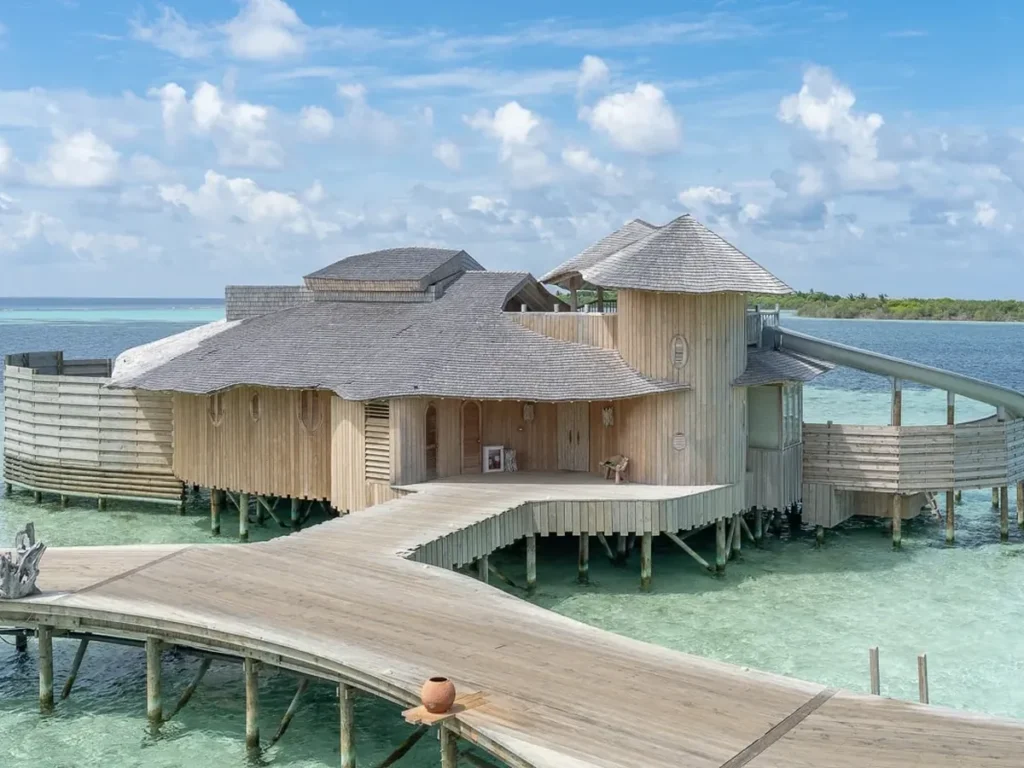
Speedboats win on flexibility
A speedboat resort is usually closer to Velana International Airport and can often accept arrivals after seaplanes stop operating. That can save an airport-area hotel and preserve the first island night.
Boats still follow shared schedules, sea conditions, passenger loads, and resort operations. “Available at night” does not mean a private launch will leave the instant luggage reaches the belt.
I would send flight details before booking a late arrival and ask for the latest accepted landing time. The answer should include immigration, baggage, the meeting point, expected waiting, and what happens after a delay.
Short stays gain the most from simple transfers. Four usable nights by boat can feel longer than five paid nights that include an overnight and next-day seaplane.
Seaplanes buy access and a view
Seaplanes connect Malé with remote atolls that cannot be reached quickly by ordinary boat. The aerial view is extraordinary, but the flight is shared transport rather than a sightseeing charter.
Schedules are built around daylight, weather, international arrivals, and stops at other resorts. A thirty-minute flying estimate can sit inside a much longer airport-to-villa journey.
The seaplane terminal may require a road transfer from the international terminal and a lounge wait. I would ask for the complete expected sequence rather than only airtime.
Children may love the noise and view, while other travelers find the cabin hot, loud, or cramped. Ear protection and a reachable water bottle are practical additions to hand luggage.
Baggage can choose the transfer for you
Seaplane allowances are commonly lower than international airline limits. Trans Maldivian Airways publishes passenger baggage guidance, but the resort’s written terms decide what applies to its booking.
Weigh dive gear, camera equipment, strollers, and large suitcases before departure. Excess payment does not always guarantee every heavy bag travels on the same aircraft.
Speedboats can also set limits, particularly on shared transfers with constrained storage. Large sports equipment needs approval rather than cheerful optimism at the jetty.
I would pack medication, swimwear, one change of clothes, chargers, and valuables in a small cabin bag. That keeps a delayed suitcase annoying instead of trip-defining.
Motion feels different on water and in the air
Boat comfort depends on sea state, vessel size, seat position, and the length of the ride. A smooth forty-minute journey and a rough one are not remotely the same experience.
Seaplanes create noise, small-cabin heat, banking, and takeoff sensations, but usually less sustained wave motion. Travelers with strong motion concerns should discuss medication with a clinician before the trip.
I would tell the resort about pregnancy, mobility needs, back problems, or boarding concerns. Steps, docks, wet surfaces, and aircraft entry can matter more than travel duration.
Our overwater accessibility guide includes transfer questions that a room photograph cannot answer.
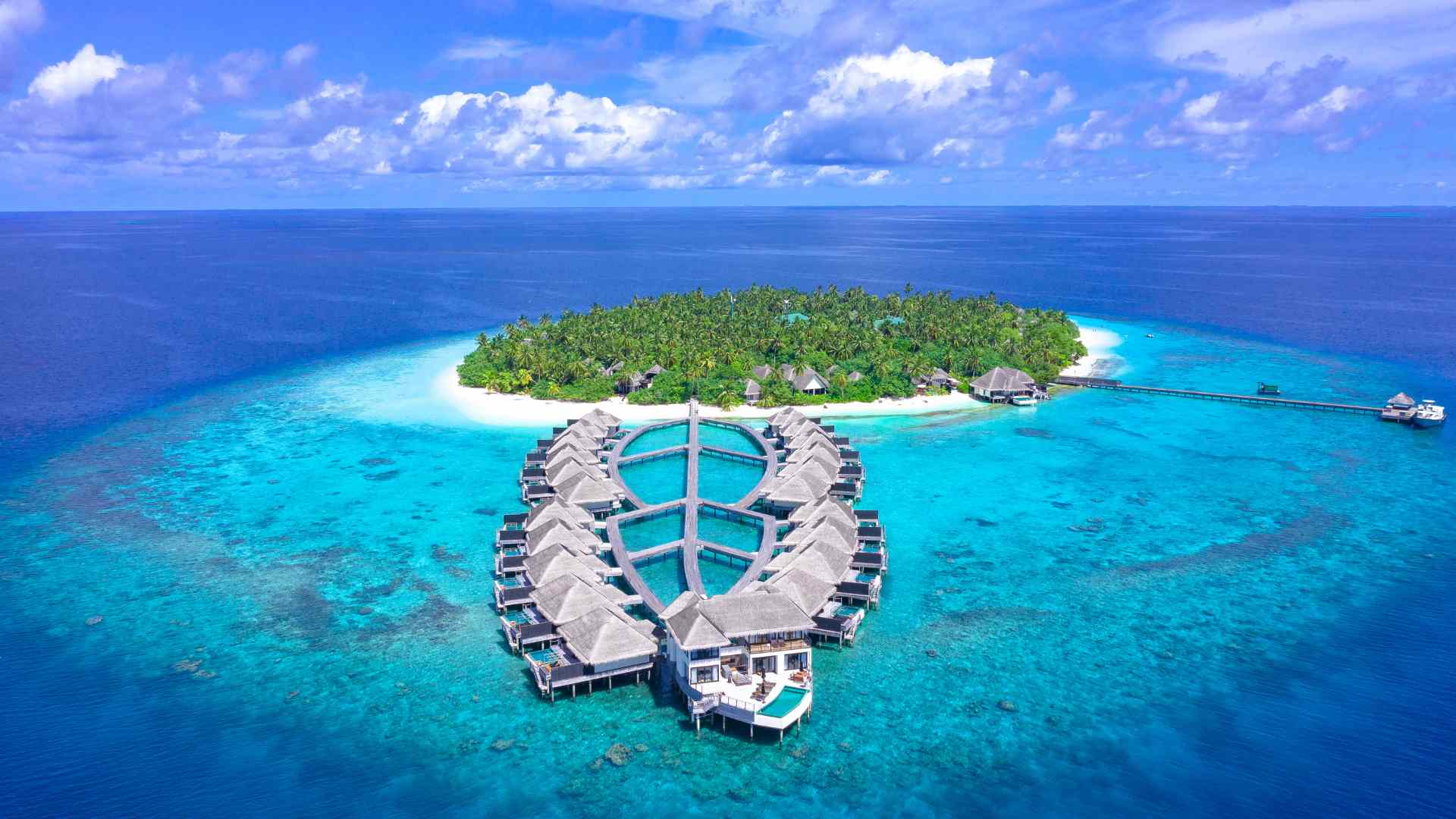
Weather affects both, in different ways
Wind, visibility, thunderstorms, and sea state can delay or change transfers. Seaplanes may wait for safe flying conditions, while boats may slow down, reroute, or pause.
A seasonal forecast cannot promise one transfer. The Maldives Meteorological Service provides official context, and the operator makes the live safety decision.
Travel insurance should cover the actual prepaid risk, including weather disruption and missed connections under the chosen policy. Read exclusions before relying on a reassuring product name.
I would keep the final international connection generous and avoid two separate nonrefundable tickets after a remote transfer. Peaceful departure mornings are worth more than one extra rushed lagoon hour.
The cost comparison needs all four legs
Count airport-to-resort and resort-to-airport for every adult and child. Add an airport hotel, meals during transit, excess baggage, private upgrades, and the cost of a missed island night.
Some packages advertise complimentary transfers with stay-length or booking-window conditions. Save the terms and verify that taxes, children, and the return journey are included.
Domestic-flight resorts add another pattern: scheduled aircraft to a local airport, then a boat. Maldivian publishes baggage information, while the resort confirms the full connection.
Our true overwater trip cost guide helps keep transfers from disappearing behind the room rate.
Arrival timing can quietly remove a night
A late international landing may be perfectly workable for a speedboat resort and impossible for a seaplane island that day. The paid resort night should begin when the transfer can actually operate.
Early-morning departures can also force an uncomfortable final day. Ask when the resort expects guests to leave and whether breakfast or lounge access is arranged.
I would compare usable hours, not calendar nights. A slightly dearer flight that lands early may create more vacation than a cheaper late arrival.
The Velana airport site helps with terminal information, but only the resort can approve a workable transfer pairing.

A simple decision rule
Choose a speedboat when the stay is short, the flight lands late, motion is manageable, or easy access outranks remoteness. Choose a seaplane when the resort is exceptional enough to justify the schedule and transfer premium.
Neither option is universally more luxurious. The correct choice reduces travel friction for the specific trip while placing you on the island you actually want.
Families often benefit from a boat’s timing flexibility, though rough water can be difficult. Honeymooners may happily accept a seaplane for the view and far-atoll privacy.
Domestic flight plus boat is a third category
Some remote resorts use a scheduled domestic flight to a regional airport followed by a speedboat. This can operate later than a seaplane and reach distant atolls, but it adds another terminal, baggage handoff, and weather-sensitive connection.
The domestic segment may appear cheaper or more flexible until the full airport wait and final boat are included. I would ask for the longest realistic journey as well as the optimistic published duration.
Families may appreciate a larger aircraft cabin, while travelers with tight luggage limits still need the operating airline’s rules. The resort remains responsible for explaining how its guests move between the international terminal, domestic counter, arrival airport, and final dock.
Missed connections need a written plan
An international delay can push a guest beyond the final boat or daylight seaplane window. The important answer is not simply that staff will assist, but who arranges and pays for the airport hotel, meals, replacement transfer, and lost resort night.
The same concern appears on departure. A remote island may require leaving many hours before an evening international flight, which turns a convenient schedule on paper into a long airport day.
I would save the resort’s emergency contact offline and share the live international flight number. A message sent before the final aircraft or boat departs gives the transfer team more options than an explanation delivered after landing.
Travel insurance wording should be read for missed connections, weather, carrier delay, and separately purchased travel. A broad product name does not guarantee reimbursement for the exact chain used by a remote island.
Comfort changes by traveler
Older guests and travelers with mobility limits need step height, dock surfaces, aircraft entry, restroom access, and assistance described before payment. Transfer duration alone hides most of the physical challenge.
Small children need reachable snacks, spare clothes, sun protection, and hearing protection for a loud seaplane cabin. Parents should also know whether child restraints exist or whether a young passenger will sit under ordinary operator rules.
Divers carrying equipment, photographers with batteries, and guests traveling with medical devices should obtain baggage approval in writing. Essential equipment belongs in the most protected permitted bag, not in a hopeful pile at the check-in desk.
The transfer lounge deserves attention on long waits, particularly with children or a late-night international journey behind you. Air conditioning, food, showers, quiet seating, accessibility, and lounge eligibility can turn three uncertain hours into a tolerable bridge to the island.
I would also ask whether the resort representative remains available throughout the wait and how schedule changes are communicated. A polished lounge is less useful when nobody can explain why the departure board has no flight time.
Details to get in writing before payment
- The total return price for every adult and child.
- Accepted international arrival and departure times.
- Checked baggage, cabin baggage, and sports-equipment limits.
- The process after delay, bad weather, or a missed transfer.
- Any airport-hotel requirement for the chosen flight times.
- Mobility, medical-device, and boarding assistance.
Written answers make different resorts comparable. They also prevent a beautiful room from winning while its transfer quietly breaks the itinerary.
Quick questions about Maldives transfers
Can seaplanes fly after dark?
They normally operate in daylight. The resort must approve the international arrival time and any overnight plan.
Are speedboats always available immediately?
No. Shared departures depend on schedules, flight coordination, passengers, and sea conditions.
Which transfer is better for a honeymoon?
The better option preserves time and reaches the preferred resort. A seaplane is memorable, while a boat can make a short honeymoon much easier.
What happens if weather cancels the transfer?
The operator and resort determine rebooking or accommodation under their policies. Insurance coverage depends on the purchased policy and documented delay.
My final call
Choose the resort and transfer as one product. I would take a speedboat for a short or late-arriving trip, and accept the seaplane only when remote-atoll scenery and the resort itself clearly repay the extra logistics.
How this guide was researched: I reviewed official Maldives travel, airport, seaplane, domestic-airline, baggage, weather, and insurance guidance, then organized the recurring traveler concerns around usable time and disruption.