
Overwater Resorts That Are Easy on Nervous First Time Travelers
Some people find long trips exciting. Others find them a low hum of dread from booking until they are home again.
This is written for the second group, and it follows the trip in order.
What makes overwater resorts easy for first time travelers
The best overwater resorts for first time travelers are the ones reachable by a short boat ride rather than a connecting flight, on an all inclusive or half board plan, with a villa near the start of the jetty. That combination removes the three things people actually worry about, which are getting there, getting stranded, and getting a shocking bill.
Everything below walks through the trip in the order it happens. Skip to whatever part is keeping you awake.
Booking: the decisions that remove the most anxiety
Choose the transfer first and the villa second. A resort you reach by speedboat in under an hour is dramatically less stressful than one requiring a seaplane, because seaplanes fly in daylight only and a delayed international flight can leave you overnight near the airport.
Some speedboat transfers can operate after dark, subject to the resort schedule and sea conditions. Confirm the final boat for your specific flight before relying on a same-night arrival.
My full comparison of speedboat and seaplane transfers in the Maldives covers the timing math in detail.
Then pick a meal plan that covers most of what you will eat. Not knowing what dinner costs is a specific kind of low grade stress, and it compounds every single evening.
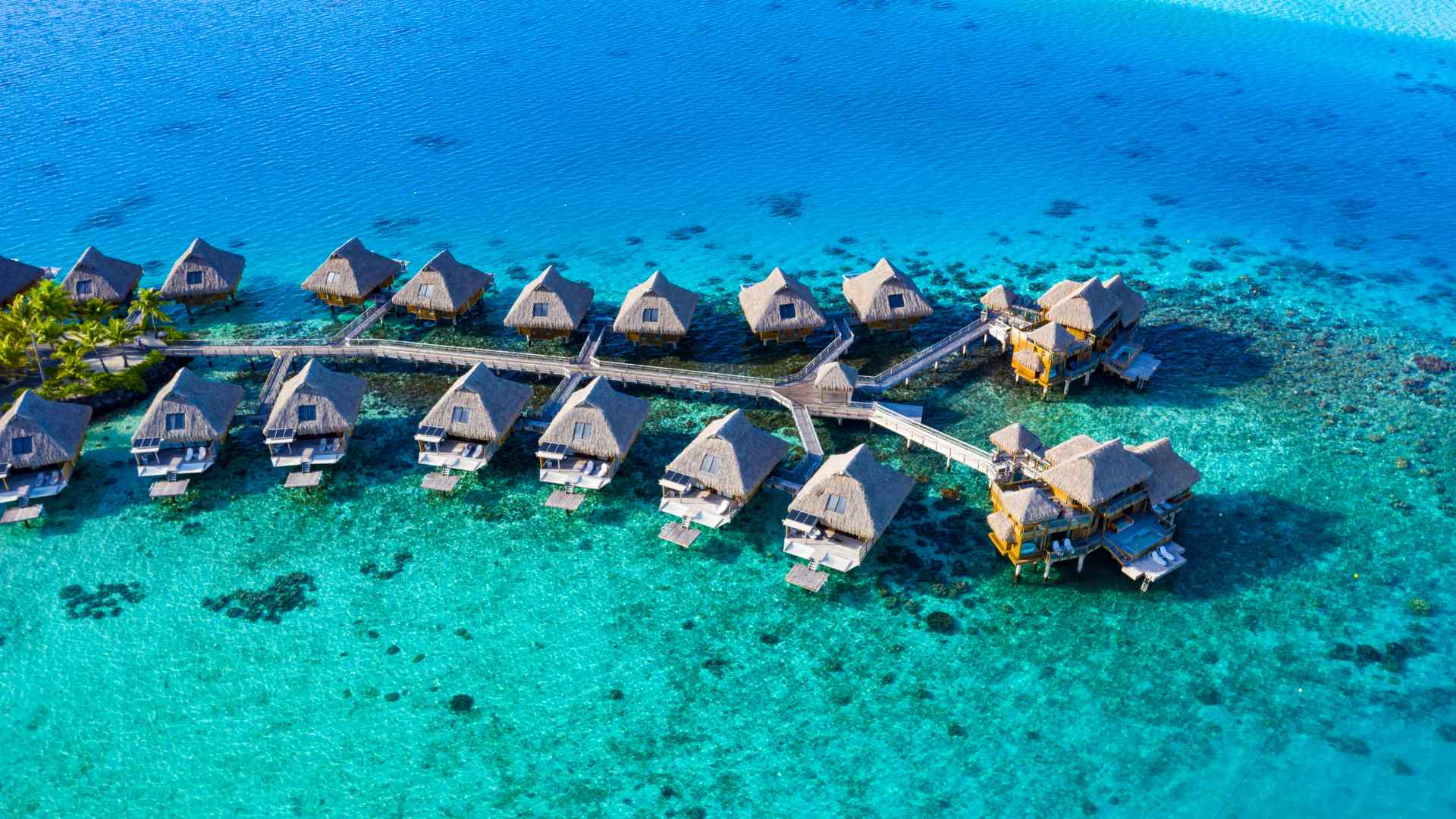
Finally, book a villa close to shore. The far end of a jetty is quieter and prettier, and it is also a long walk in the dark when you are tired and unfamiliar with the boards.
Two months out: paperwork and small print
For a Maldives trip, the official Traveller Declaration is free and due within 96 hours before arrival. Leave this on your week-of-travel checklist rather than paying a third-party form site.
Check your passport expiration date now, not later. Many destinations want a comfortable margin of validity beyond your return date, and renewals are slow when you are in a hurry.
Read the entry requirements for your own nationality on your own government’s guidance. Rules differ by passport, and a friend’s experience is not a substitute for checking yours.
Several destinations now require an online arrival form submitted a few days before you fly. The Maldives is one of them, and the window is short enough that people miss it.
Buy travel insurance at the same time you book, not the week before you leave. Coverage for trip cancellation usually depends on when the policy started, and buying late removes the protection you actually wanted.
The week before: packing and arrangements
Send the resort your flight numbers and confirm the transfer in writing. Then confirm it again, because transfer bookings get made by a different team than room bookings at many properties.
Pack reef safe sunscreen and a rash guard, because sun over water is stronger than sun on a beach thanks to reflection off the surface. A rash guard means you can snorkel for an hour without thinking about reapplying anything.
Bring anything medical in your hand luggage, with enough for a few extra days. Island pharmacies are limited, and a resort clinic is not a drugstore.
Sockets vary by country and sometimes by resort, so bring a universal adapter and ask what your villa has. My complete packing list for an overwater stay covers the rest.
Arrival day: the part that scares people most
Six Senses Laamu normally uses a direct seaplane and offers domestic flight plus boat only on request when those times do not fit. Confirm the alternative with its reservations team before relying on it, then check who meets you at the airport.
Here is what actually happens, because nobody describes it and the unknown is the scary part. You clear immigration, collect your bags, and walk out into an arrivals hall where a person is holding a sign with the resort’s name on it.
They take your luggage and put you in a lounge or walk you straight to a boat. From there it is a transfer, a welcome drink, and someone showing you to your villa.
You are not expected to navigate anything. That is the whole point of an island resort, and it is why these trips suit anxious travelers better than a multi city itinerary does.
If your flight is delayed, message the resort rather than the airline. Their transfer team reschedules people constantly and it is a routine problem for them, even when it feels like a crisis to you.
One practical note about the boat. Sit toward the middle and low if you get motion sick, because the bow slams and the stern smells of engine.
The first 24 hours on the island
Walk the property once before you unpack anything. Knowing where the restaurant, the reception, and the nearest shade are makes the next six days calmer.
Ask three questions at check in. What time does the last food service end, is there a doctor or nurse on the island, and how do I contact someone at 2 a.m.
Then look at your villa’s ladder in daylight. The water under it is usually deeper than it appears from the deck, and knowing that before you get in matters.
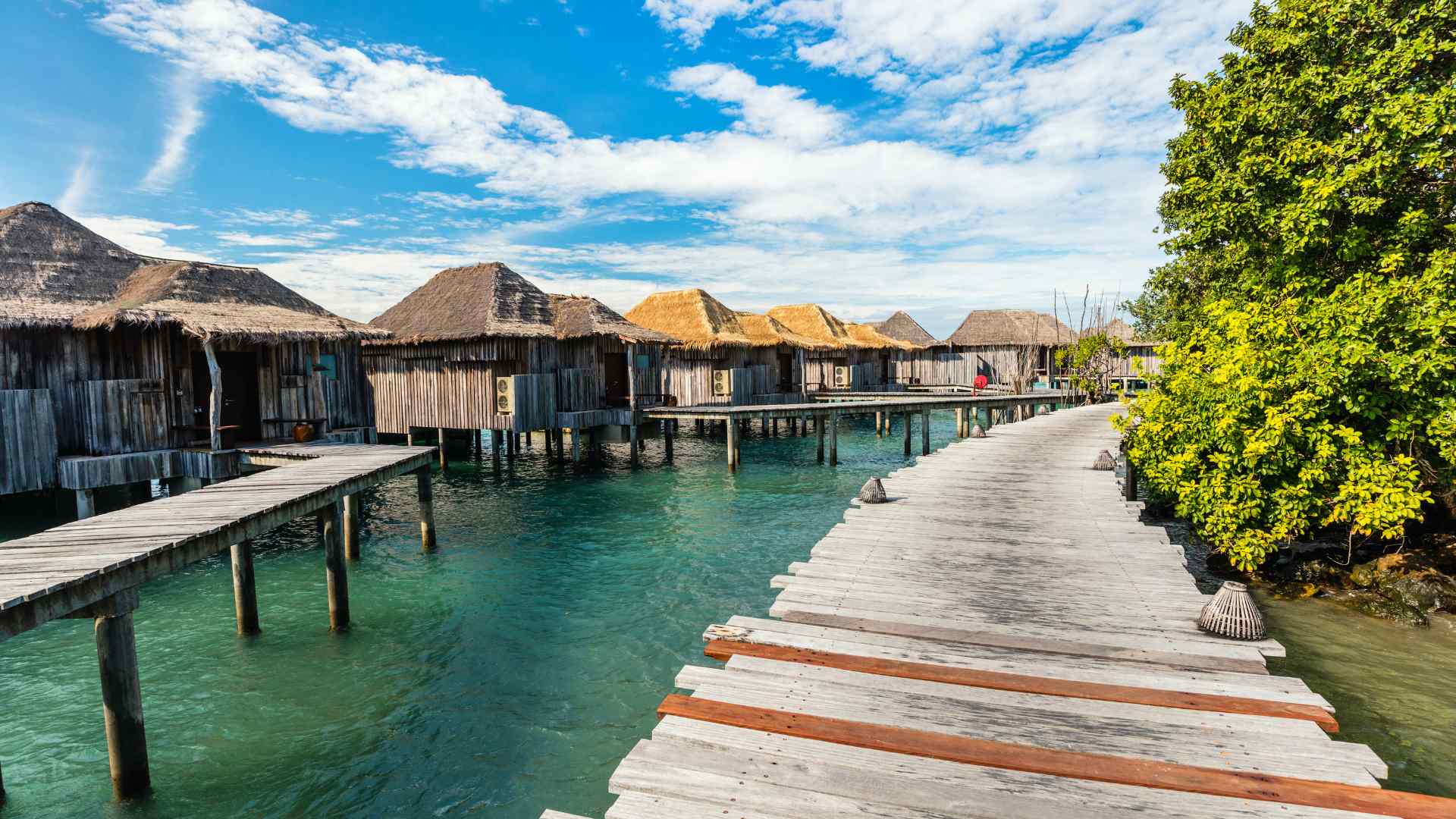
Jetty boards get slippery when wet and there is often no rail. Wet walkways deserve more attention than the postcard makes obvious; use the lights and take your time.
Mid trip: the water, and being honest about swimming
CDC open-water advice matters even when the ladder looks calm. Ask the marine team about currents and permitted entry before your first swim.
You do not have to be a strong swimmer to enjoy this. You do have to say out loud that you are not one, ideally to the water sports staff on day one.
Buoyancy vests and float belts are standard at almost every resort, and using one is not embarrassing. The people who get into trouble are the ones who pretend to be comfortable.
Current matters more than depth. A lagoon can look glassy and still move you along faster than you can swim back, especially near a channel or a reef edge.
Always enter and exit at your own villa ladder or a marked entry point, and tell someone when you are going in. If any of this is a real worry, start with my guide to overwater bungalows that suit non swimmers.
Also, wear something on your feet in shallow water. Coral rubble and sea urchins are real and a cut foot ruins a week faster than anything else.
Checkout and the trip home
Ask for an interim bill two days before you leave. Charges appear late at resorts, and finding a surprise at 6 a.m. with a boat waiting is a bad way to end a good trip.
Confirm your departure transfer time yourself rather than assuming it matches your flight. Resorts build in long buffers, and that sometimes means leaving the island hours earlier than feels necessary.
Check whether service charge is already added before you tip on top of it. In many destinations it is included in the folio, and staff will tell you honestly if you ask.
Leave wet things out of the suitcase until the last possible moment. Everything stays damp in that humidity, and a sealed bag of wet swimwear travels badly.
Who should skip the water villa
If open water genuinely frightens you, sleeping over it will not cure that. The sound of water under the floor is constant, and at night with the lights off some people find it unsettling rather than soothing.
Skip it if you need a hospital nearby. Remote islands are remote, and evacuation from one is a boat or plane ride, not an ambulance.
Here is the downside I will name outright. Overwater villas are isolating by design, and isolation is exactly what makes some anxious travelers worse rather than better.
If that sounds like you, book a beach room at the same resort and spend the difference on a longer stay. My guide to more affordable overwater options has resorts where that trade works well.
Quick questions about a first overwater trip
Is an overwater bungalow safe if I cannot swim?
Yes, provided you tell the resort and use a buoyancy aid whenever you enter the water. The deck and ladder sit above water deep enough to swim in, so treat the villa as waterfront rather than as a pool you can stand up in.
How long should a first trip be?
Five to seven nights on the island is the sweet spot for a first visit to a far flung resort. Anything shorter means most of your trip is spent traveling, and the jet lag eats the good days.
What if I get sick on a remote island?
Most established resorts have a nurse or a visiting doctor and a plan for serious cases, but treatment options are genuinely limited. Ask about medical facilities before booking and make sure your travel insurance covers evacuation from a remote location.
Will I be bored for a week?
Some people are, and it is worth admitting that before you book rather than after. Small islands offer water sports, a spa, and a handful of restaurants, so bring books and pick a resort with an excursion program if downtime unsettles you.
Do I need to speak the local language?
No, because resort staff at international properties work in English as a matter of course. Learning a couple of greeting words is appreciated but nothing about the trip depends on it.
Which villa position is best for a first timer?
Take one near the start of the jetty on the sheltered side of the island, where the walk is short and the water is calmer. My guide to choosing a villa position along the jetty explains how to request it properly.
The short version
Book a speedboat resort, a meal plan, and a villa near shore, then let the property carry the logistics. That is the entire recipe, and it works for people who normally hate traveling.
Start from the overwater bungalow hub and filter for transfer type before anything else. The rest of the decision is much easier once that one is settled.
Transfer schedules, entry requirements, and resort medical arrangements change without much warning, so please check the current details with the property and your own government before you travel.