
Off Season Overwater: What Actually Closes and What Stays Open
Off season overwater resorts are not a scam, but the savings are never free. Something is always being traded, and the brochure will not tell you what.
So here is the ledger. What you gain on the left, what you actually give up on the right.
Do off season overwater resorts actually close?
A handful genuinely shut their doors, and they are concentrated in three places: Malaysia’s east coast islands, parts of eastern Indonesia, and the East African coast during the long rains. Everywhere else, including the Maldives and French Polynesia, the resort stays open and quietly gets smaller.
- Full closures: Perhentian, Redang, and Tioman roughly November to February, and many Raja Ampat properties for part of the southeast monsoon.
- Common closures: East African island properties during the long rains in April and May.
- Rare closures: Caribbean resorts taking a September or early October renovation break.
- Almost never closes: the Maldives and French Polynesia, though individual outlets and excursions do.
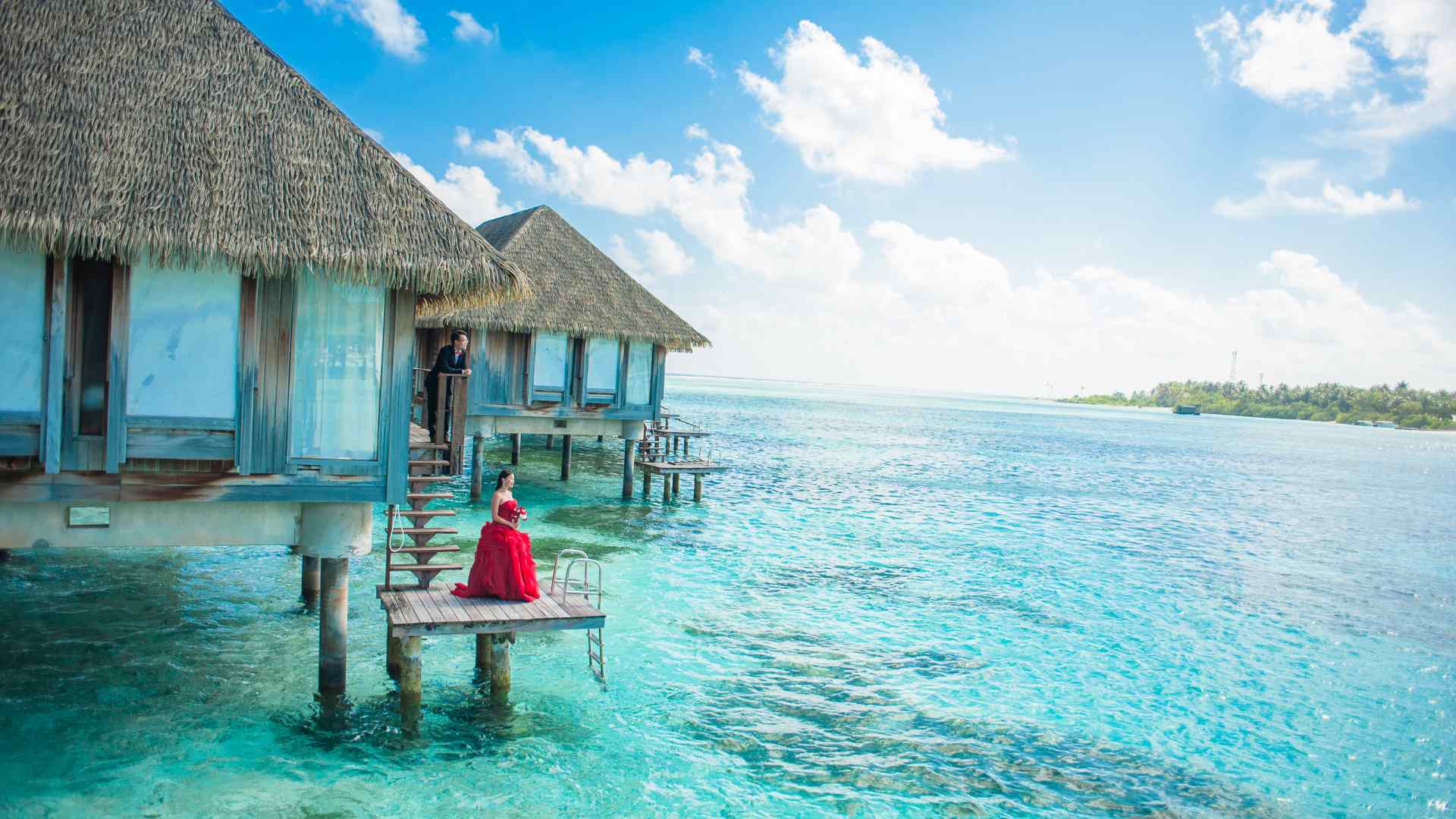
What you gain, honestly counted
The rate difference is the obvious one and it is not small. The same water villa in the Maldives can cost a fraction in September of what it costs in February, and the villa has not changed.
Upgrades become negotiable, which they never are in peak season. When half the overwater inventory is empty, asking politely at check-in works far more often than it should.
You also get staff attention that is impossible to buy in December. The dive guide remembers your name, the bartender knows your drink by night two, and the restaurant does not need a reservation.
And there is the thing nobody quantifies: the reef is yours. Swimming a house reef alone at seven in the morning, with no other snorkeler kicking sand up in front of you, is a different experience from sharing it with forty people.
The savings are real enough that I would rather go off season for nine nights than peak season for five. If you want the arithmetic laid out properly, my breakdown of what an overwater bungalow trip really costs shows where the money actually goes.
What you give up, listed without flinching
Water clarity is the first casualty and the one people underestimate. Wind stirs the lagoon, rain pushes sediment off the island, and a house reef that looks like glass in February can look like weak tea in August.
Excursions get canceled for wind rather than rain. That distinction matters, because a bright day with a stiff breeze can still ground every boat on the island.
Outlets go on rotation. A resort with four restaurants may run two, the beach grill may open three nights a week, and the menu shrinks because the kitchen is not carrying the same inventory.
Staffing thins out, and this is where the experience actually degrades. Many resorts use the quiet months for staff leave and for training new hires, so the person taking your dive briefing may be two weeks into the job.
Renovation is the sharpest risk of all. Properties do their refurbishment work when occupancy is lowest, which means a jackhammer on the arrival jetty is most likely in exactly the month you booked for the discount.
Ask directly whether any construction, dredging, or villa refurbishment is scheduled during your stay. Get the answer in writing, because “no major works planned” is a very different sentence from “no works.”
Region by region: what actually closes
Malaysia’s east coast
Malaysia’s northeast monsoon brings heavier rain to the peninsula’s east coast from roughly November through March. Check the operating season for your exact island, not just a countrywide forecast.
This is the clearest full shutdown in the overwater world. The northeast monsoon brings heavy seas to the Perhentians, Redang, and Tioman, and resorts close outright for roughly November through February.
Ferries stop, not just resorts, so there is no clever workaround. Langkawi on the west coast is the substitute in those months, and my Malaysia overwater bungalow guide covers how the two coasts trade off.
Eastern Indonesia
Remote water cottage properties in Raja Ampat typically run a season rather than a year, closing for a stretch of the southeast monsoon. The exact window differs between operators and shifts from year to year.
These are small properties with long lead times, so check dates before you price flights. My notes on the Misool water cottages give a sense of how that kind of place operates.
The East African coast
The long rains in April and May are the real off season here, and closures are common rather than exceptional. Some properties shut for six weeks and use the time for a full refurbishment.
The rest of the year splits into two pleasant stretches with a short shoulder between them. The Africa overwater bungalow overview is the place to sort out which coast suits your dates.
The Caribbean and Mexico
The Atlantic hurricane season runs June through November, with its peak typically around September. A cheap late-summer rate is worth comparing with your flight flexibility and the resort’s storm policy.
Very little closes for weather, but September and early October are when properties schedule maintenance. The bigger issue is hurricane season exposure, which is a cancellation-terms problem rather than a closure problem.
Book refundable and buy insurance that names weather events explicitly. A cheap nonrefundable September rate is not cheap if you eat the whole thing.
The Maldives and French Polynesia
The Maldives meteorological service describes the southwest monsoon as normally running from mid-May to November. That is a broad pattern, so check forecasts close to departure and allow room for boat changes.
Neither closes, which is why both are the safest off season bets on the map. What changes is scale, not availability.
In the Maldives the seaplane operation is the constraint worth knowing about. Seaplanes fly in daylight only year round, and in the wet months a squall can hold a flight long enough to cost you an afternoon on a lounge in the transfer terminal.
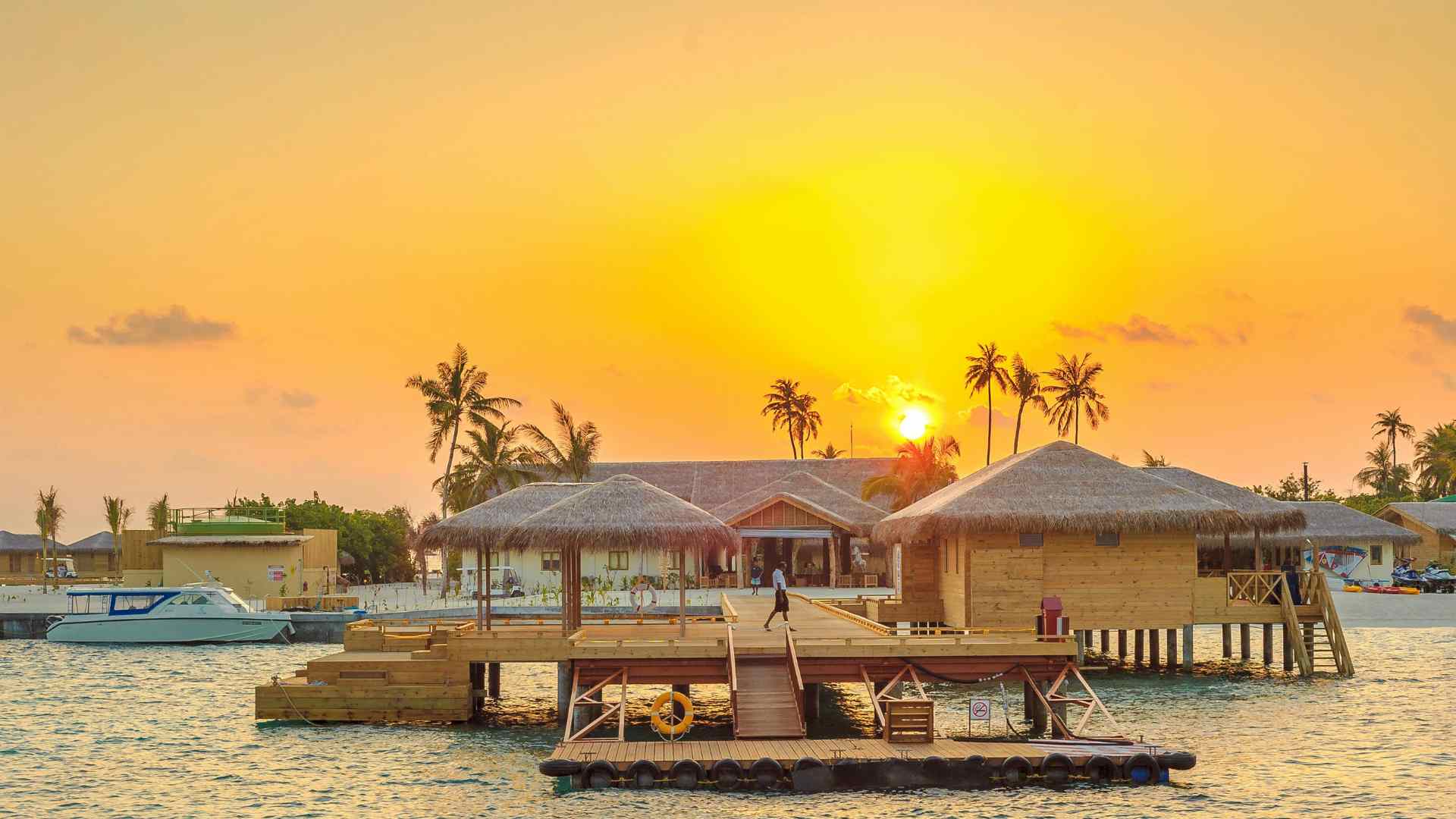
The line items that quietly cancel your savings
- Half board that no longer works: if the buffet restaurant is the only outlet running, your meal plan is a single menu on repeat for a week.
- Service charge and green tax: percentage-based charges shrink with the rate, but per-night taxes do not, so the discount is smaller than the headline suggests.
- Transfer costs: seaplane and domestic flight fares rarely drop in the off season, and on a cheap villa rate they can be the largest single line on the bill.
- Excursion refunds: a canceled trip is usually refunded, but the day is not, and there is no second boat later in the week if the wind holds.
The transfer point is the one that surprises people most. A discounted villa does not make the seaplane cheaper, so the ratio of transfer to room cost gets ugly fast.
If the numbers only work with everything bundled, price a package properly rather than assembling it yourself. My guide to all-inclusive overwater resorts explains when the bundle genuinely wins.
Five questions that settle it before you book
- Which restaurants and bars will be operating on my dates, and on what schedule?
- Is any refurbishment, dredging, or construction planned during my stay?
- How many excursions did you cancel for weather in this month last year, roughly?
- Will the dive center and water sports center be open every day, or on reduced hours?
- What happens to my transfer if the seaplane cannot fly on my arrival day?
Reservations teams answer these honestly more often than you would expect. The ones that dodge the renovation question are telling you the answer.
Who should skip the off season entirely
Skip it if this is a honeymoon or a milestone anniversary with one set of dates and no do-over. The odds are in your favor, but the downside is emotional as well as financial.
Skip it if the underwater part is the whole point. Reduced visibility and canceled boat days undo the reason you came, and no rate makes that acceptable.
Skip it if you are traveling with small children who need the kids club and the shallow-water activities that get pulled first when the wind gets up. And skip it if you have exactly four nights, because a two-day weather system eats half your trip.
The named downside, stated plainly: renovation. A discounted stay loses its appeal when the arrival jetty is under construction.
Ask what work is scheduled near your villa and arrival route before paying.
Quick questions about booking off season
How much cheaper is the off season, really?
Villa rates in the Maldives and the Caribbean commonly fall by a large margin between peak and low months, sometimes to less than half. Fixed costs like flights, transfers, and per-night taxes barely move, so your total trip cost drops by much less than the room rate does.
Which overwater destinations actually close for a season?
Malaysia’s east coast islands close for the northeast monsoon, many Raja Ampat properties close for part of the southeast monsoon, and East African island resorts often close during the April and May long rains. Everywhere else stays open with reduced service.
Will the resort tell me if renovations are happening?
Only if you ask directly and in writing, since most properties disclose construction reactively rather than proactively. Email reservations with your exact dates and ask specifically about villa refurbishment, jetty work, and dredging.
Is the food worse in the low season?
It is usually narrower rather than worse, because outlets run on rotation and the kitchen carries less specialty inventory. If dining variety matters to you, confirm which restaurants operate on your dates before committing to a meal plan.
Can I still snorkel in the off season?
Yes on most days, though visibility is lower and choppy surface conditions make the swim harder work. Mornings are usually calmer than afternoons, so plan reef time early and give up on the four o’clock snorkel.
Where I’d spend the money instead
If the off season saves you a meaningful amount, put it into nights rather than into a better villa category. Three extra days absorbs a bad weather system, and a bigger deck does not.
If the savings are marginal after transfers and taxes, go in the shoulder month instead and stop chasing the bottom. For properties that hold up when the rate drops, start with my affordable overwater bungalow picks and work from there.
Closure windows, outlet schedules, and refurbishment plans all move from one year to the next. Email the property with your exact dates and get the answers in writing before you pay a deposit.