
Cyclone, Monsoon, and Hurricane Seasons Compared for Overwater Trips
A monsoon is a seasonal wind and rain pattern; hurricanes and cyclones are rotating storms. Mixing up those risks can lead you to book the wrong season.
Here are the overwater storm seasons compared side by side, with what each window actually means for a trip.
A lower room price should be weighed against the actual weather risk for that destination. The Met Office cyclone overview helps distinguish Atlantic and Southern Hemisphere seasons.
Overwater storm seasons in 30 seconds
- Atlantic hurricane season: June 1 through November 30, with activity concentrated from mid-August into October. This is the Caribbean, the Bahamas, Belize, and Mexico’s Caribbean coast.
- South Pacific cyclone season: November through April, most active from January into March. This is Fiji and the wider South Pacific, including the edge that reaches French Polynesia.
- North Indian Ocean cyclones: two shoulder peaks, roughly April into June and again October into December. The Maldives sits close enough to the equator that direct tropical cyclones are rare.
- Maldivian monsoon: the wetter, windier southwest monsoon runs roughly May into November, and the drier northeast monsoon runs roughly December into April.
- Southeast Asian monsoons: the southwest monsoon soaks the Andaman side roughly May through October, while the northeast monsoon hits the Gulf of Thailand and Malaysia’s east coast roughly November through March.
- The caveat that matters: every one of these is a probability window, not a forecast. Most days inside a storm season are ordinary days.
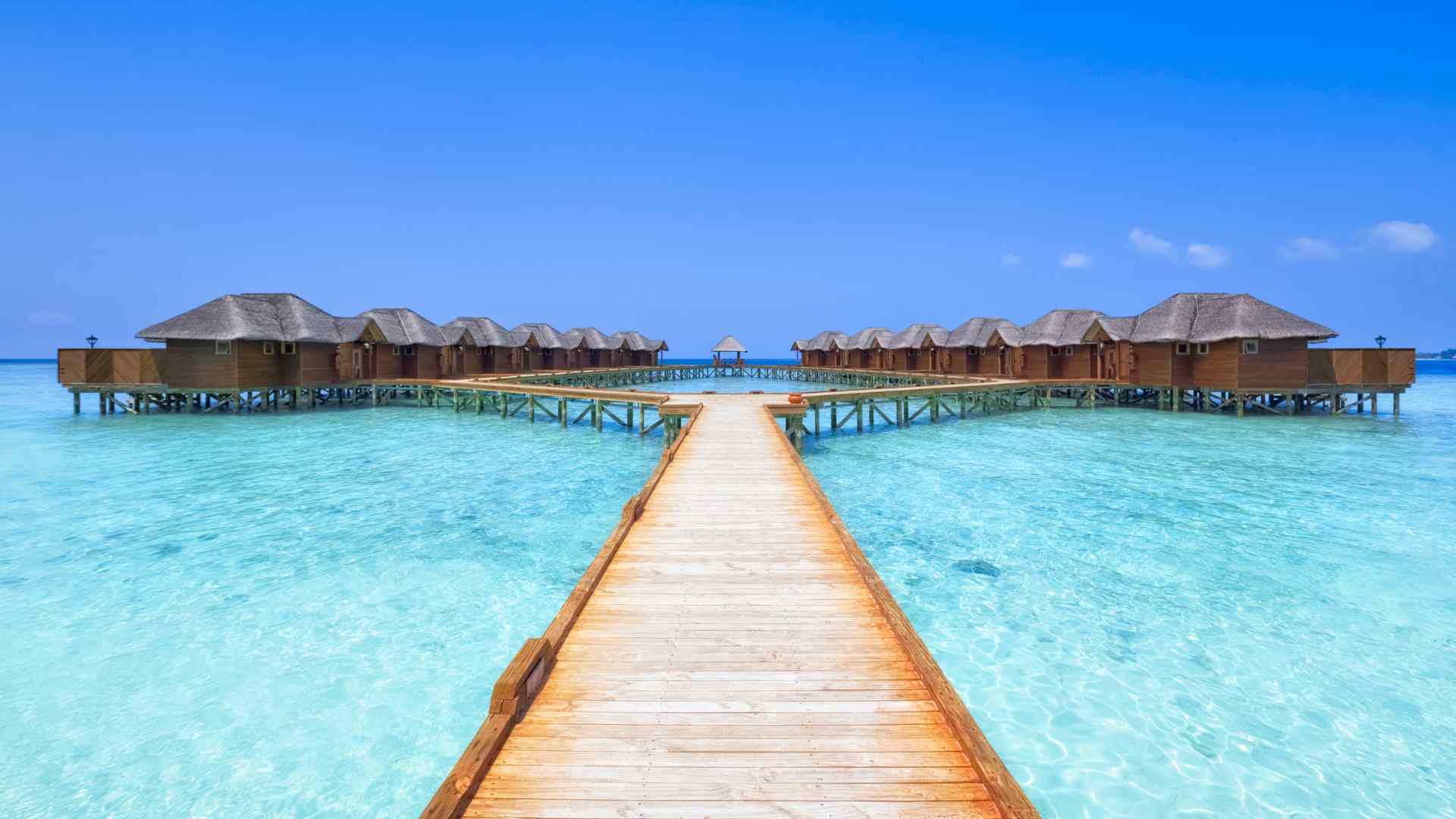
Hurricane season: the Atlantic and the Caribbean
The Atlantic season is the one with the cleanest official dates, running from the first of June to the end of November. That range is an administrative fence, not a forecast, and storms occasionally fall outside it.
Activity is not evenly spread across those six months. The heart of the season sits from roughly mid-August through October, and early September is historically the most active stretch.
June and July are the softest months inside the window. If you want warm-season pricing without the peak-risk weeks, that is where I would look first.
The practical risk here is rarely a direct hit on your resort. It is a canceled flight, a closed airport, or a resort deciding to shut down for two days while a system passes a couple hundred miles away.
My Caribbean overwater bungalow guide covers which islands have the shallow lagoons that make bungalows possible, and geography matters here for more than looks.
Cyclone season: Fiji and the South Pacific
South of the equator the seasons invert, so the cyclone window runs November through April. The most active stretch is generally January into March.
This is the same phenomenon as a hurricane with a different regional name. A tropical cyclone in Fiji and a hurricane in Antigua are the same kind of storm.
Fiji sits squarely in this basin and takes it seriously, which is why resorts there tend to have real procedures rather than vague reassurances. Ask what those procedures are before you assume the worst case is handled.
French Polynesia sits toward the eastern edge of the basin and sees far less cyclone activity than Fiji does. It still has a distinct wet season across those same months, which is a separate and more likely inconvenience.
If you are weighing islands, the Fiji overwater bure guide is where I lay out how the calendar interacts with the small overwater inventory there.
Monsoon season: why the Maldives is a different problem
The Maldives is the destination people misfile most often. It is not a hurricane destination and it is not a cyclone destination in any practical sense.
Tropical cyclones need the Earth’s rotation to organize a spin, and that effect fades to nearly nothing at the equator. The Maldives straddles the equator, which is why direct cyclone strikes there are rare even though the wider North Indian Ocean has an active season.
What the Maldives has instead is monsoon. The southwest monsoon, locally hulhangu, brings wind, swell, and rain roughly from May into November.
The northeast monsoon, iruvai, is the calm and dry half of the year, roughly December into April. That is the stretch everyone books, and the pricing reflects it.
Monsoon rain in the Maldives usually arrives as squalls rather than all-day gray. You can get a two-hour downpour and a perfect sunset on the same day, which is genuinely different from a hurricane-season washout.
The wind is the part that matters for a water villa. A windward-facing villa in the southwest monsoon gets chop and spray, and my notes on choosing a Maldives water villa explain how to ask about orientation.
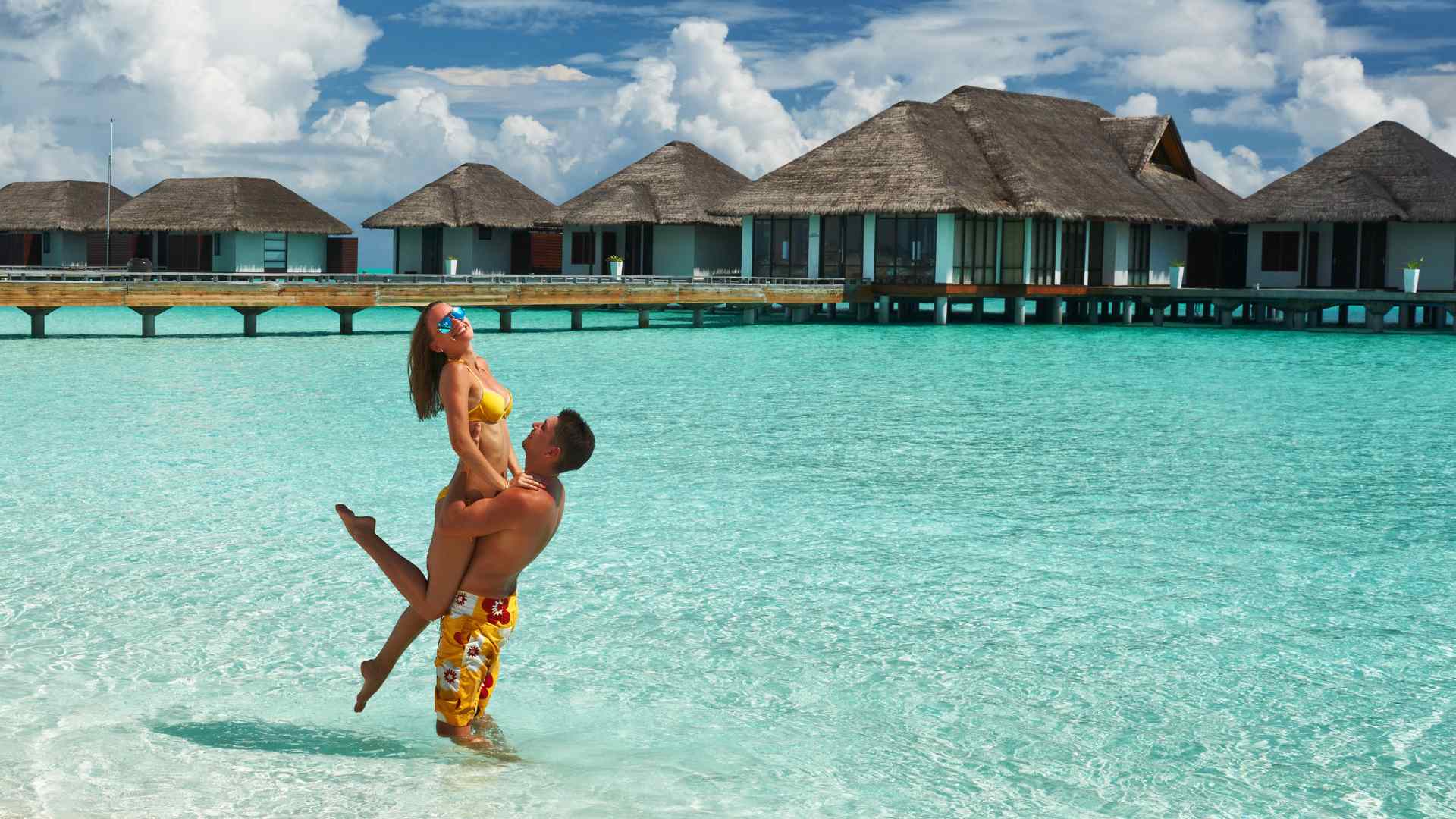
Southeast Asia: two monsoons on opposite coasts
This region confuses people because the wet season depends on which coast you are standing on. The two monsoons hit opposite sides of the same peninsula at opposite times of year.
The southwest monsoon brings the wet months to the Andaman side, roughly May through October. The northeast monsoon does the same to the Gulf of Thailand and the east coast of Peninsular Malaysia, roughly November through March.
That second window is the one that actually cancels trips. Small east-coast island resorts often close entirely during it rather than operate through the swell.
Typhoons are a separate concern further north and east, and the Philippines sees the most activity roughly from midsummer into fall. Storms there are possible outside that stretch, so treat it as a peak rather than a boundary.
Before you fall for a property, check whether it is even open on your dates, which is one of the first things I flag in my Southeast Asia overwater guide.
What a season window actually means
A storm season is a statement about probability across a whole basin over a whole season. It says nothing about your specific week on your specific island.
Plenty of people take beautiful September trips to the Caribbean and never see a cloud. Plenty of others lose three days to a system that never came within two hundred miles of them.
The reason both are true is that disruption travels further than damage. Airline cancellations, ferry stand-downs, and precautionary resort closures ripple out well beyond the storm’s actual track.
That is the honest way to think about it. You are not betting on being hit, you are betting on nothing in the region being disrupted for the seven days you are there.
The rules I use when I book inside a storm window
- Buy the trip with a refundable rate or real insurance, and read what actually triggers a payout rather than trusting the word “hurricane” in the marketing.
- Prefer the edges of the season over the middle, so June in the Caribbean rather than September.
- Add a buffer day on each end, because the flight is the fragile part, not the resort.
- Avoid tight transfer chains, since a seaplane or a small boat is the first thing canceled in wind.
- Ask the resort directly what its policy is if a named storm forms during your stay, and get the answer in writing.
- For a fixed-date wedding or milestone trip, avoid the local peak storm months when possible or build in backup plans and flexible terms.
Insurance terms, resort storm policies, and airline waiver rules vary enormously and change year to year. Confirm the specifics for your booking rather than assuming the industry works one way.
The real downside, and who should skip off-season entirely
Here is the downside nobody advertises. Even a good outcome in storm season can mean a week of gray afternoons, closed water sports, and a house reef too stirred up to snorkel.
That is the median bad case, not the dramatic one. You will not have a story, you will just have a mediocre expensive week.
Skip off-season if this is your honeymoon or your one big trip, if you cannot afford to absorb a lost deposit, or if you booked with points on a nonrefundable award. Those three cases account for most of the regret I hear about.
Skip it also if the trip depends on a seaplane or a long boat ride. Wind cancels small transfers long before it cancels commercial jets.
If your budget is what is pushing you into these months, I would rather you take a shorter trip in a better window. My breakdown of the true cost of an overwater bungalow vacation shows where that money actually goes.

Quick questions about storm season
When is Atlantic hurricane season?
June 1 through November 30, covering the Caribbean, the Bahamas, Belize, and Mexico’s Caribbean coast. Activity clusters in the second half of that range, with the stretch from mid-August through October carrying the most risk.
Does the Maldives get hurricanes?
Not in any practical sense, because the islands sit too close to the equator for tropical cyclones to organize there. The Maldivian weather issue is monsoon wind and rain rather than storms, and it runs on a completely different calendar.
When is cyclone season in Fiji?
November through April, with the most active period generally falling from January into March. It is the southern hemisphere version of hurricane season, shifted six months because the seasons are reversed.
Is a cyclone different from a hurricane?
Only in name and location, since both are tropical cyclones with regional labels. Hurricane is used in the Atlantic and eastern Pacific, cyclone in the Indian Ocean and South Pacific, and typhoon in the northwest Pacific.
Are off-season rates worth the risk?
Sometimes, if you have flexible dates, a refundable rate, and the temperament to lose a day or two without it ruining the trip. They are a bad trade for honeymoons, milestone celebrations, and anyone on a nonrefundable booking.
Which month is safest across all these destinations?
There is no single answer, because the windows sit on opposite calendars. February is excellent in the Maldives and inside cyclone season in Fiji, while June is quiet in the South Pacific and the start of hurricane season in the Caribbean.
My final call
Match the destination to the calendar rather than the other way around.
If September is your only window, the South Pacific generally avoids the Atlantic’s peak hurricane window, while the Maldives remains in its wet monsoon. Check the exact island and flight route before deciding.
That single move solves most of this problem, and it costs you nothing. The month-by-month view in my overwater bungalow weather calendar is built for exactly that comparison.
And when you cannot move the dates, buy flexibility instead of hoping. Flexibility is the only thing on this page you can actually control.
Seasonal windows describe odds across a whole region, not what your week will look like. I revise this page as patterns and resort policies shift, so verify current conditions and cancellation terms with the property and your insurer before booking.
Use the National Hurricane Center’s Atlantic calendar for Caribbean dates, and Fiji Meteorological Service for South Pacific conditions. The same travel month does not carry the same storm risk across regions.