Overwater Bungalows That Cost Less Than You Think
An overwater bungalow does not automatically mean a five-figure vacation. Mid-range options exist, and prices vary with location, service, season, and transfer logistics.
Compare the total with transfers and meals, not just the nightly room figure. The Maldives seaplane FAQ explains why baggage and arrival timing can also affect the trip.
The short answer, in 30 seconds
- Start with a lower-cost road-access option: Port Dickson, Malaysia. Calm water, hundreds of villas, essentially no snorkeling.
- Best value with actual sea life: Bocas del Toro in Panama and the Belize cayes.
- Best value in the Maldives: the older, smaller, half-board islands, not the new pool-villa resorts.
- Best value if you dive: Raja Ampat in Indonesia and the water villages off Sabah.
- The trap: a cheap villa on an expensive island. Transfers and food do the damage, not the room.
That list is the whole article in one breath. The rest is why, and who each one is wrong for.
Why mid-range overwater bungalows are a real tier, not a marketing word
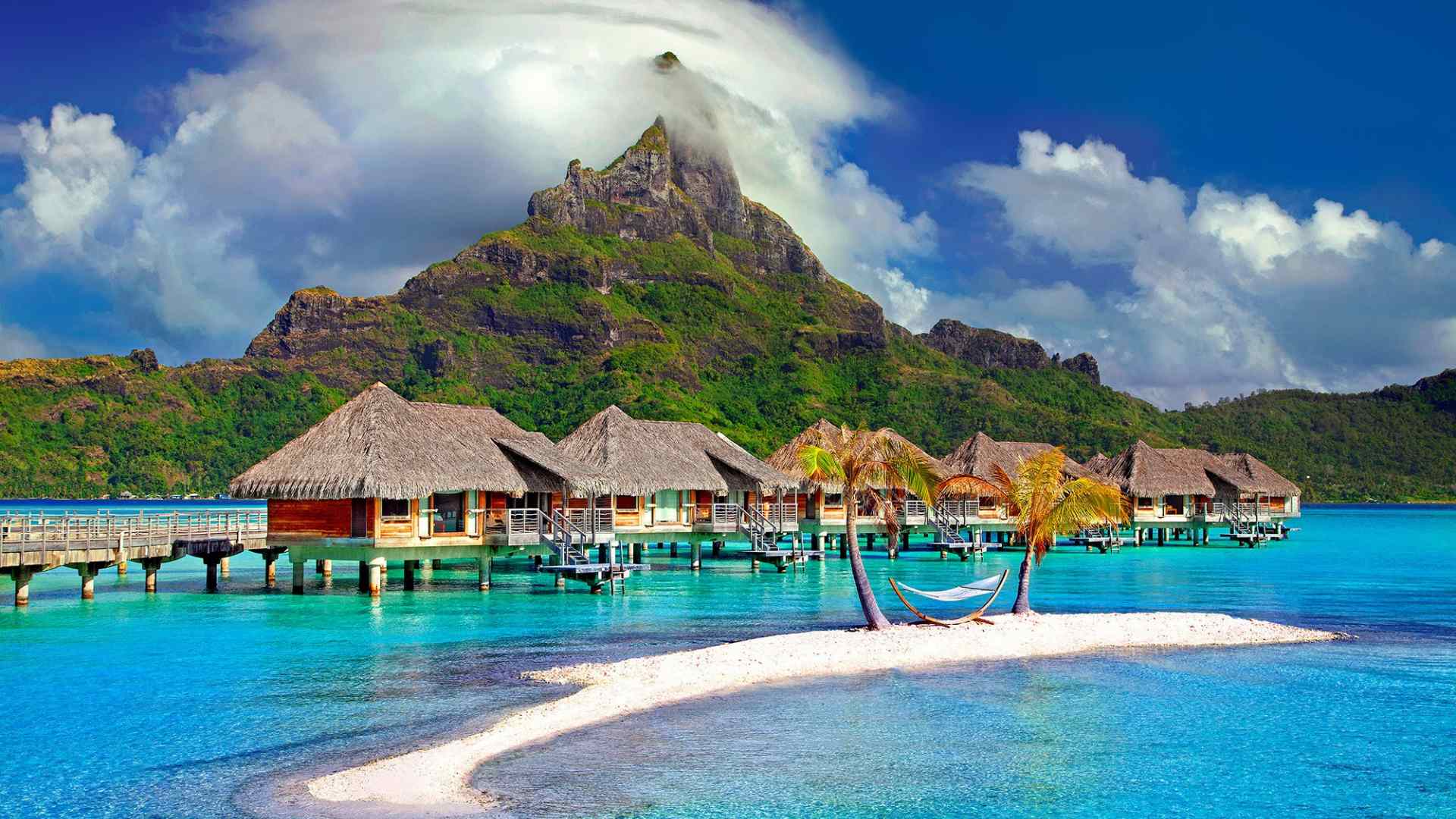
An overwater villa is a construction type. Stilts, a deck, a ladder or a set of steps, and a roof over water.
Nothing about that requires a butler or a private pool. The price you see is mostly a function of where the island is, how hard it is to reach, and how much staff is standing between you and your dinner.
So the cheaper end is not a watered-down version of the dream. It is the same room type in a place that costs less to operate.
What you give up is usually the reef, the service ratio, or the silence. Sometimes all three, and I will tell you which one goes where.
1. Port Dickson, Malaysia: the cheapest real overwater sleep I know
Port Dickson is reachable by road from Kuala Lumpur and has several large overwater resorts. Compare the all-in price for your dates before assuming it is the cheapest option.
Lexis Hibiscus, Grand Lexis, Lexis Port Dickson and Avillion Port Dickson all put guests on stilts.
The private pools at the Lexis properties are the headline, and they are genuinely per-villa rather than shared. That combination of a plunge pool and a stilted room does not exist anywhere else at this price.
Why it made the list: you can fly into a major international airport and be on a deck over water the same afternoon.
Now the part nobody puts in the brochure. This is the Strait of Malacca, one of the busiest shipping lanes on earth, and the water is silty and brown-green rather than turquoise.
You do not snorkel here. You sit, you swim in your own pool, and you watch cargo ships slide across the horizon at night like lit-up apartment blocks.
Who should skip it: anyone whose mental image involves seeing fish through the water. Go read my rundown of Malaysia’s very different overwater stays before you book, because Langkawi and Sabah are a completely separate proposition.
2. Bocas del Toro, Panama: overwater for the price of a decent city hotel
Bocas can be a useful comparison for travelers from the Americas, but allow for the connection or boat needed to reach your chosen island. Cosmic Crab, Faro del Colibri, Coral Bay Bungalows, Azul Paradise, Urraca Monkey Island and Punta Caracol are all built out over the water.
Some of them have glass floor panels. All of them have the same basic virtue, which is that you step off your deck into the Caribbean.
Why it made the list: the getting-there cost is low and the daily cost stays low, which is the rare double.
The transport is boats. Every meal out, every trip to town, every snorkel stop is a water taxi, and the last boat back is earlier than you want it to be.
Ask about generator hours and air conditioning before you commit, because some of the eco-leaning lodges run on solar and are honest about it. My walkthrough of the tiny cabins at Cosmic Crab covers what that actually feels like at two in the morning.
Who should skip it: light sleepers near a town dock, and anyone who wants a resort where somebody else handles the logistics. For the wider picture, see the three Bocas resorts I compare head to head.
3. The Belize cayes: rustic, cheap, and refreshingly honest
Belize does not pretend. Tobacco Caye Paradise, St.
George’s Caye Resort and Thatch Caye all offer cabanas over water with a barrier reef within reach.
The buildings are wood, the fans are loud, and the snorkeling starts closer to your room than it does at most luxury islands. That is the trade in a sentence.
Why it made the list: the reef quality per dollar is the best in the Caribbean, and English is the official language, which makes the whole trip low-friction for American travelers.
The caveat is weather. These are small, low cayes, and a windy week turns a boat transfer into a wet, bouncing hour.
Who should skip it: anyone who gets seasick, and anyone who needs reliable in-room air conditioning. Confirm the current setup on the specific caye, because these properties change hands and change what they include.
4. The older Maldives islands nobody photographs
Here is the honest version of the Maldives. The villa rate is only one part of the Maldives total; transfer and meals can overturn an apparently cheap room.
The older resorts near Malé fix both problems at once. Embudu Village, Fihalhohi, Thulhagiri, and Ellaidhoo have speedboat options.
Angaga uses a seaplane, so it does not solve the transfer-cost problem; confirm both transfer and meal-plan totals for any island you compare.
Why it made the list: these islands were built in an era when the house reef was the amenity, so the snorkeling off the jetty is often better than at the glossy new places.
The rooms are plain. Expect a bed, a deck, a ladder into the lagoon, and no pool.
My guide to the simple water villas at Embudu Village is the clearest example of what that tier looks like. Adaaran Club Rannalhi remains an operating resort, but do not assume its overwater category is available for your dates.
Check the operator’s current room list and get written confirmation of a saleable water villa before using it as a budget comparison.
Who should skip it: honeymooners who want the private pool and the champagne moment. Book a beach villa at a nicer island instead, or read the six ways I actually cut the cost of sleeping over the sea.
5. Raja Ampat and Sabah: cheap to sleep, expensive to reach
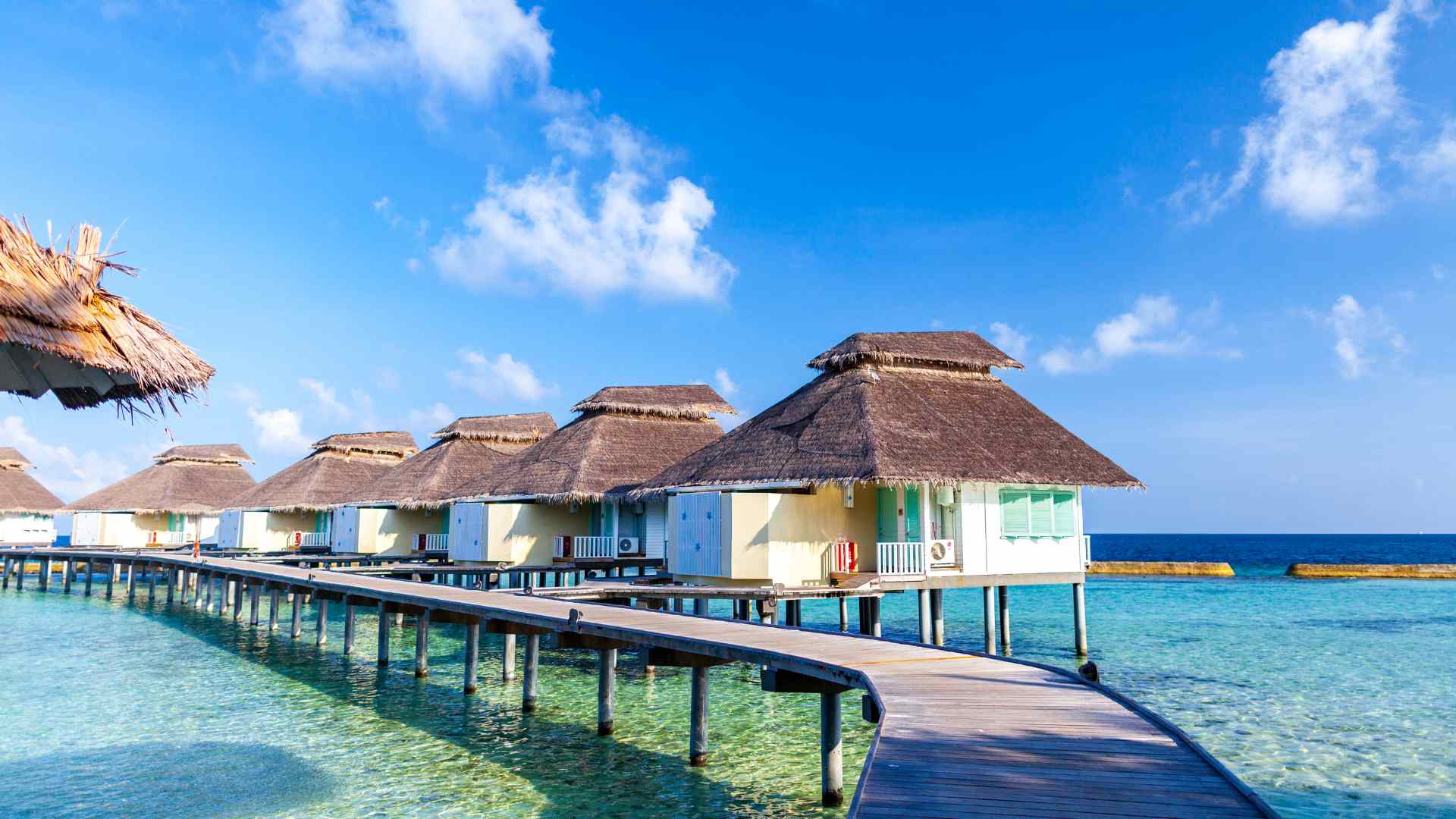
Kri Eco Resort, Papua Paradise, Papua Explorers and HamuEco all put water cottages above some of the richest reef on the planet. Off Sabah, Sipadan-Kapalai and Mabul Water Bungalows do the same thing for divers.
The nightly rate at these places is not what breaks the budget. The flights, the ferries and the dive packages are.
Why it made the list: nowhere else gives you this much marine life directly beneath a room you can afford.
Bathrooms vary wildly between cottage grades at the rustic properties, and that detail matters more than any photo. Ask specifically whether the bathroom is inside the cottage or shared down the walkway.
Who should skip it: non-divers on a short trip. You will spend two days traveling each way for water you can only half use, and the wider Southeast Asia lineup has gentler options.
6. The Philippine floating cottages, if you are already in the region
Stilts Calatagan and Sunlight Ecotourism Island Resort are the two I would look at first. They are domestic-tourism properties rather than international resorts, and the pricing reflects that.
Why it made the list: group cottages sleep more people than a Maldives villa ever will, which changes the math completely for four or six travelers.
Weekends get loud and busy. Some of the El Nido stilted properties are closed for renovation into 2026, so status checking is not optional here.
Who should skip it: couples looking for hush and privacy. Go small and quiet instead.
What you actually give up at this tier
Four things, roughly in the order you will notice them.
- Bathrooms: smaller, older, and sometimes not sealed against sea air. Fixtures corrode fast over salt water.
- Sound: thin walls and shared jetties. You will hear neighbors and you will hear the water slapping the stilts all night, which some people love and some people cannot sleep through.
- Food: one or two restaurants, repeating menus. This is where half board earns its keep.
- Recovery when things go wrong: a big resort reroutes you around a canceled boat. A six-room lodge cannot.
None of that is a dealbreaker for me. All of it is a dealbreaker for somebody.
What I would not do
I would not book the cheapest water villa at an expensive resort and then eat there. That is the single most common way people spend luxury money on a value experience.
I would not book a seaplane island for three nights. The seaplane cutoff is daylight only, so a late arrival can cost you a night in a Malé airport hotel and a chunk of your trip.
And I would not assume the service charge and green tax are in the number on the booking page. Run the full arithmetic using my breakdown of what an overwater trip really costs before you compare two resorts.
Fast answers on cheaper overwater stays
Is a cheap overwater bungalow actually over the water?
Usually yes, but check whether it is over open sea, a lagoon, a mangrove channel or a man-made pond. Several well-known properties sit above brackish or engineered water, which looks identical in photos and feels nothing alike in person.
When is the cheapest time to book one?
Shoulder season, meaning the weeks either side of the wet season, is where the real savings live in many destinations. You accept a higher chance of afternoon rain in exchange for a rate that can look like a different resort entirely.
Do budget resorts have worse snorkeling?
Often the opposite, because older islands were built where the reef already was rather than on a dredged lagoon. The newest and most expensive resorts frequently have the emptiest water directly under the villas.
Is half board worth it at a value resort?
At a one-island resort with no other restaurants, yes, almost always. Half board covers breakfast and dinner, and on an island where you cannot walk anywhere else for food, paying at the counter twice a day adds up faster than the upgrade.
Can I get a private pool without paying luxury rates?
Yes, and Port Dickson in Malaysia is the clearest example of a per-villa plunge pool at a modest rate. The tradeoff is that the sea underneath it is not swimmable in the way you are imagining.
Where I’d spend the money instead
If your budget is tight, buy nights, not square footage. A plainer villa and an extra night can be a better use of the same budget.
My order of spending is nights first, then a meal plan, then transfer convenience, then the room upgrade last. That order is the whole trick.
And if you can only afford the dream at one place, make it a place where the water under the deck is worth looking at. A cheap villa above a beautiful reef beats an expensive villa above nothing.
Resorts open, close, renovate and rewrite their meal plans constantly. check current status, inclusions and rates with the property itself before you put money down.
Lexis Hibiscus’ current water-villa categories illustrate value built around a private pool rather than reef snorkeling. Misool’s package and transfer schedule shows how a remote reef stay can have a very different total.