Hawaii Overwater Bungalows: The Honest Answer and Dreamiest Alternatives
Hawaii can give you breakfast beside the Pacific, a room close enough to hear the surf, and a sunset that makes everyone stop talking for a minute. What it cannot currently give you is a true hotel bungalow perched above the ocean, so the smartest trip begins by choosing which part of that fantasy you actually need.
Hawaii overwater bungalows in 30 seconds
- What exists: oceanfront rooms, resort residences, cottages, and villas near the beach, but no verified operating overwater-bungalow hotel.
- Best for: travelers who want Hawaii’s landscapes and culture more than the stilted-room architecture.
- Biggest catch: names such as bungalow, lagoon, and oceanfront describe style or view, not a room built over open water.
- My pick: a true oceanfront room on the island you most want to explore, with a balcony that makes morning coffee feel like an event.
You will find plenty of tempting waterfront inventory when comparing official Hawaii accommodation options, but not the private-jetty-and-ladder setup associated with Bora Bora. That is not a reason to downgrade Hawaii; it is a reason to shop for the right Hawaiian room instead of the wrong label.
The short answer, without the tropical smoke machine
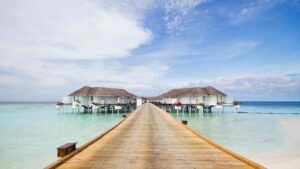
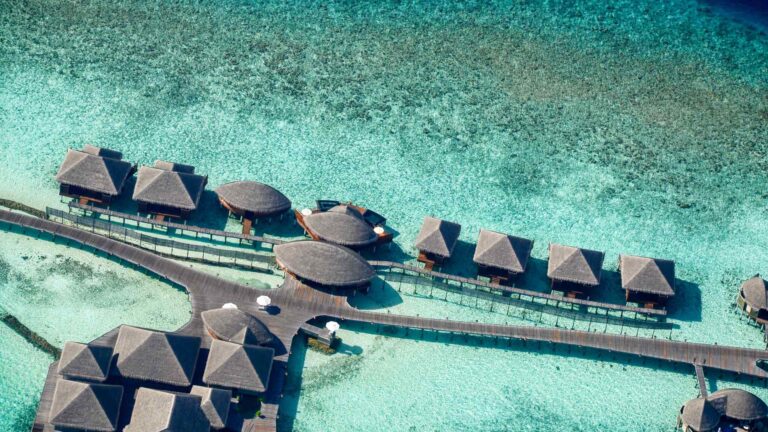
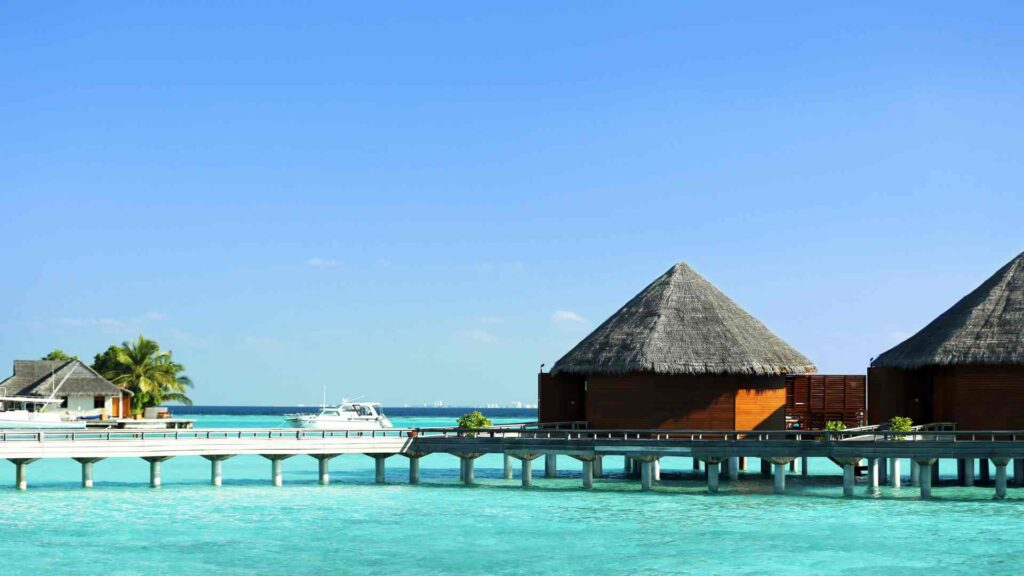
No major operating hotel in Hawaii currently offers the classic overwater bungalow: a detached guest villa on stilts above the sea, reached by a wooden jetty, with the ocean beneath its deck. Search results often blur the difference using photographs from other islands or the word bungalow for shore-based cottages.
Hawaii’s visitor infrastructure is concentrated on land, and coastal development sits within layered state and county planning rules. I would not reduce that complicated system to a catchy claim that overwater rooms are simply banned, because the official Coastal Zone Management program describes a broader framework rather than that one-line rule.
What Hawaii shoppers are usually trying to find
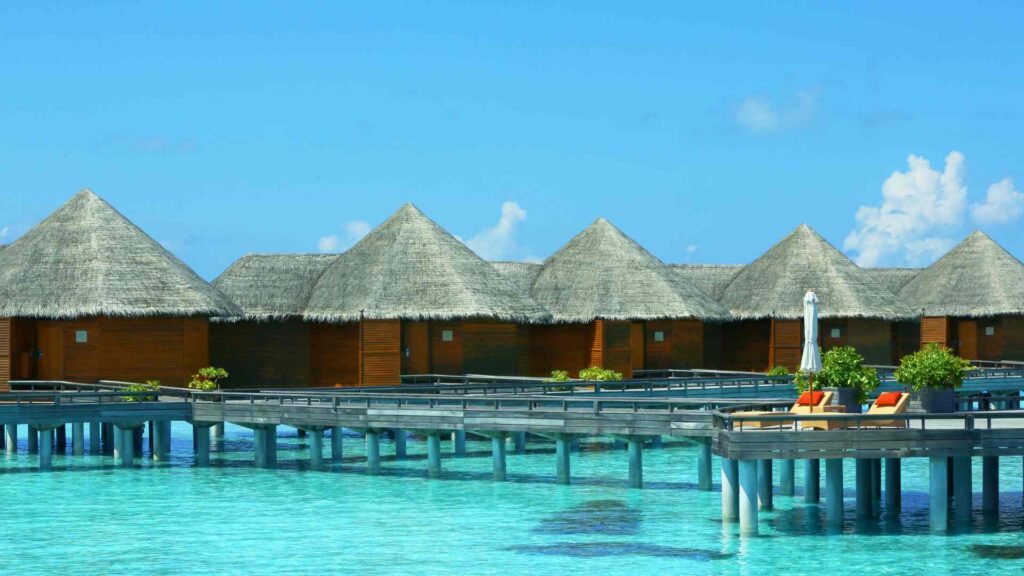
The real wish list tends to be deliciously practical: privacy, uninterrupted ocean, a special terrace, easy swimming, and a room romantic enough to justify staying in for an afternoon. Hawaii can meet those goals, though not always in the same hotel or on the same island.
Start with the trip, then choose the room. A dazzling villa on an island that does not fit your hiking, dining, surf, or quiet-time plans is a very expensive way to learn that accommodation cannot carry an entire holiday.
For a honeymoon with polished resort ease
Oahu’s Ko Olina area works well when you want resort facilities, calmer protected swimming areas, and easy arrival logistics. An oceanfront category at a full-service hotel creates far less friction than chasing a cottage whose charming name hides a parking-lot view.
The Four Seasons Oahu oceanfront room page is a useful example of what to verify: orientation, balcony, room size, and the difference between a view across the resort and a direct ocean outlook. I would compare the map alongside the glossy gallery.
For scenery that makes the room feel secondary
Kauai is my choice when the landscape is the headline. The best room may be one that lets you wake to Hanalei Bay and then get outside, rather than an isolated villa designed to keep you behind a privacy wall.
Rain is part of the island’s lush beauty, especially around the north shore, so a covered lanai and an indoor space you genuinely like matter. A romantic room should still work when the weather decides the beach is closed for a few hours.
For a spacious private retreat
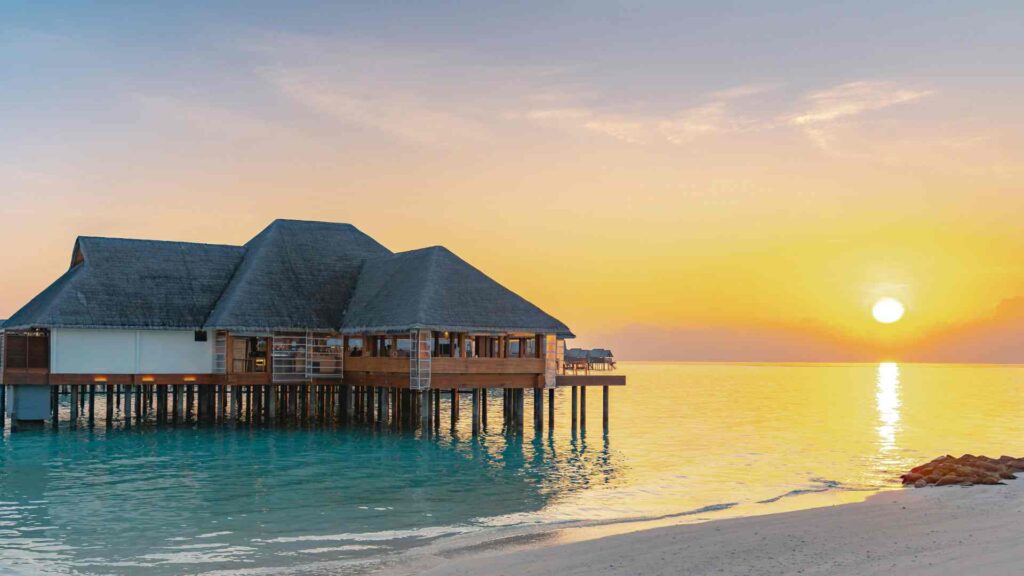
The island of Hawaii offers large resort footprints and residence-style accommodation that can suit families or longer stays. A kitchen, separate bedrooms, and a private pool may create more meaningful luxury than floor glass ever would.
At Mauna Lani, the official residence collection gives a clearer sense of the space and amenities available. I would confirm the exact walk or cart journey to the beach because a residence can be ocean-oriented without being oceanfront.
The four labels I would translate before paying more
- Ocean view: you can see some ocean, perhaps across roofs, trees, or another wing.
- Oceanfront: the room faces the water directly, though floor level and setbacks still matter.
- Beachfront: the building is close to sand, but your particular room may not be on the front row.
- Bungalow: a style or standalone structure, not proof that the room is over water.
Those words are not dishonest, but they answer different questions. I would choose the exact building and view whenever the hotel allows it, then save the confirmation email in case the assigned room does not match the booked category.
Which island is best for an overwater-bungalow feeling?
There is no single winner because Hawaii replaces the lagoon fantasy with different strengths. Oahu is easy and energetic, Maui blends resort comfort with road-trip days, Kauai leans lush and cinematic, and the island of Hawaii gives you dramatic scale and excellent resort enclaves.
For the closest low-effort resort mood, I would look at Ko Olina or a calm west-coast resort area on Maui or the island of Hawaii. For the biggest emotional payoff, I would choose the island first and accept that the ocean will be in front of the room rather than underneath it.
When to stop compromising and book the real thing
If your dream specifically includes a ladder from your deck, fish under a glass panel, and breakfast arriving by canoe, Hawaii is the wrong product. The French Polynesia overwater bungalow guide and Bora Bora resort guide will move you toward actual inventory.
Our Fiji overwater bungalow guide is another useful comparison, particularly for travelers who want South Pacific warmth with a different cultural and resort mix. Flights, entry rules, and connections deserve a date-specific check before you turn a Hawaii trip into a multi-country adventure.
A Hawaii alternative can be better for families
Overwater villas create obvious supervision questions around ladders, unfenced decks, and deep or moving water. A Hawaiian residence or ground-floor oceanfront suite can deliver space and beach access with fewer moments of parental cardio.
I would still study balcony locks, pool barriers, sleeping layouts, and walking distances. Our United States overwater stay guide also explains why domestic searches produce many water-adjacent rooms but very few true tropical overwater villas.
How I would book the substitute
I would choose the island, name the two experiences that matter most, and only then shortlist hotels. If snorkeling and quiet mornings win, the right coast matters more than a marble bathroom; if restaurants and easy exploring win, a central resort may beat a secluded estate.
For each finalist, inspect the room plan, property map, recent balcony photographs, beach entry, parking or valet charges, and whether resort facilities require a shuttle. I would pay extra for a verified front-row view, but not for vague ocean language that cannot survive a map check.
Hawaii gotchas that can change the room experience
- Winter swell and summer conditions can make the same shoreline feel like two different beaches.
- A ground-floor room may offer easy lawn access but less privacy from paths and loungers.
- Resort fees, parking, food, and taxes can make a seemingly cheaper room cost more than expected.
- Island driving times look short on a map until traffic, one-lane roads, or scenic stops join the party.
This is where a little skepticism becomes romantic. Sorting out the practical pieces beforehand leaves more room for the lovely nonsense of deciding whether sunset requires sandals or whether bare feet are formal enough.
A split-stay idea that works better than chasing a bungalow
Hawaii is one of the rare destinations where changing islands can genuinely change the mood of a trip. A few lively nights on Oahu followed by a slower stretch on Kauai or the island of Hawaii can give you city energy, scenery, and resort time without pretending one hotel must deliver everything.
I would only split a short holiday if the second island adds something you deeply want, because airports and rental-car returns nibble at precious beach hours. For a week or less, one well-chosen island and a better room usually beats an ambitious itinerary that looks magnificent in a spreadsheet.
When a private pool is worth the upgrade
A private pool earns its price when it is sunny, genuinely screened, and large enough for more than a ceremonial dip. In breezier or rainier locations, a covered lanai with a direct ocean view may become the space you use far more often.
Families should also confirm pool barriers and door locks rather than relying on the word private as a safety feature. Couples should study neighboring sightlines, because two palms and a bamboo screen do not always create the secluded hideaway suggested by the camera angle.
Frequently asked questions
Are there true overwater bungalows anywhere in Hawaii?
No verified operating Hawaii hotel currently sells the classic stilted villa above the sea. You can book excellent oceanfront rooms and shore-based bungalows, but they should not be mistaken for South Pacific overwater accommodation.
Why does Hawaii not have overwater resorts?
There is no useful one-sentence explanation. Hawaii has exposed ocean conditions, valuable coastal ecosystems, public shoreline interests, and layered development rules, so I would avoid repeating the unsupported claim that a single statewide ban explains everything.
What is the closest room type to an overwater bungalow?
A front-row oceanfront room or detached beachfront residence with a private lanai is the strongest substitute. The best version gives an unobstructed view, short water access, and enough privacy that the terrace feels like part of the room.
Should I choose Hawaii or Bora Bora for a honeymoon?
Hawaii wins for exploring, varied dining, hikes, drives, and a broader island holiday. Bora Bora wins when the overwater villa and lagoon are the main event and you are happy for the resort to occupy most of the trip.
Can I find glass-floor hotel rooms in Hawaii?
Not as a standard feature in Hawaii’s major resort rooms. If watching marine life through the floor is essential, focus on verified overwater categories in French Polynesia or the Maldives and confirm the exact room category before paying.
My final take
Hawaii is too good to market as a consolation prize. Book it when you want the islands themselves, then choose an oceanfront room that supports the trip instead of forcing a borrowed Bora Bora fantasy onto a coastline with its own personality.
If you only want the bungalow, go where the bungalow exists. If you want Hawaii, take the lanai, the surf soundtrack, and the morning when you planned to leave early but somehow spent an hour watching the light move across the water.
How I researched this Hawaii guide
I checked Hawaii’s official visitor accommodation resources and state coastal-planning information, then reviewed current resort room and residence pages for realistic substitutes. I separated room marketing from physical design, excluded false overwater listings, and used South Pacific resorts only as clearly labeled alternatives.