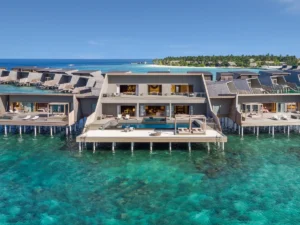
Le Taha’a Overwater Suites: Five Views, One Very Important Choice
At Le Taha’a, choosing an overwater suite is less about chasing the biggest room and more about deciding what you want outside the window. One direction gives you green island ridges, another opens toward Bora Bora, and the west-facing option saves its best trick for dinner time.
Le Taha’a in 30 seconds
- Standout: A private motu beside a coral garden you can revisit instead of treating snorkeling as one booked excursion.
- Best for: Couples who enjoy slow resort days, thoughtful Polynesian design, and plenty of time in the water.
- Biggest catch: The journey through Raiatea adds cost and coordination, while the suite upgrade often buys orientation rather than space.
- My pick: Premium for an open lagoon view, or Sunset only if golden-hour deck time is genuinely part of the plan.
The view is the room upgrade
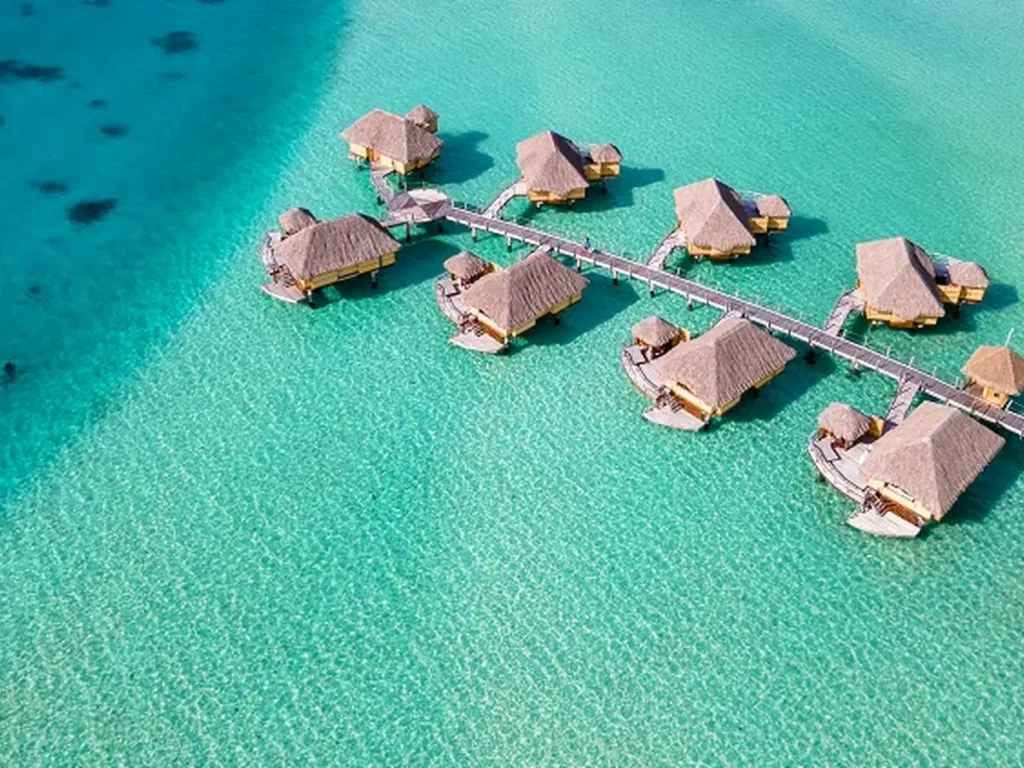
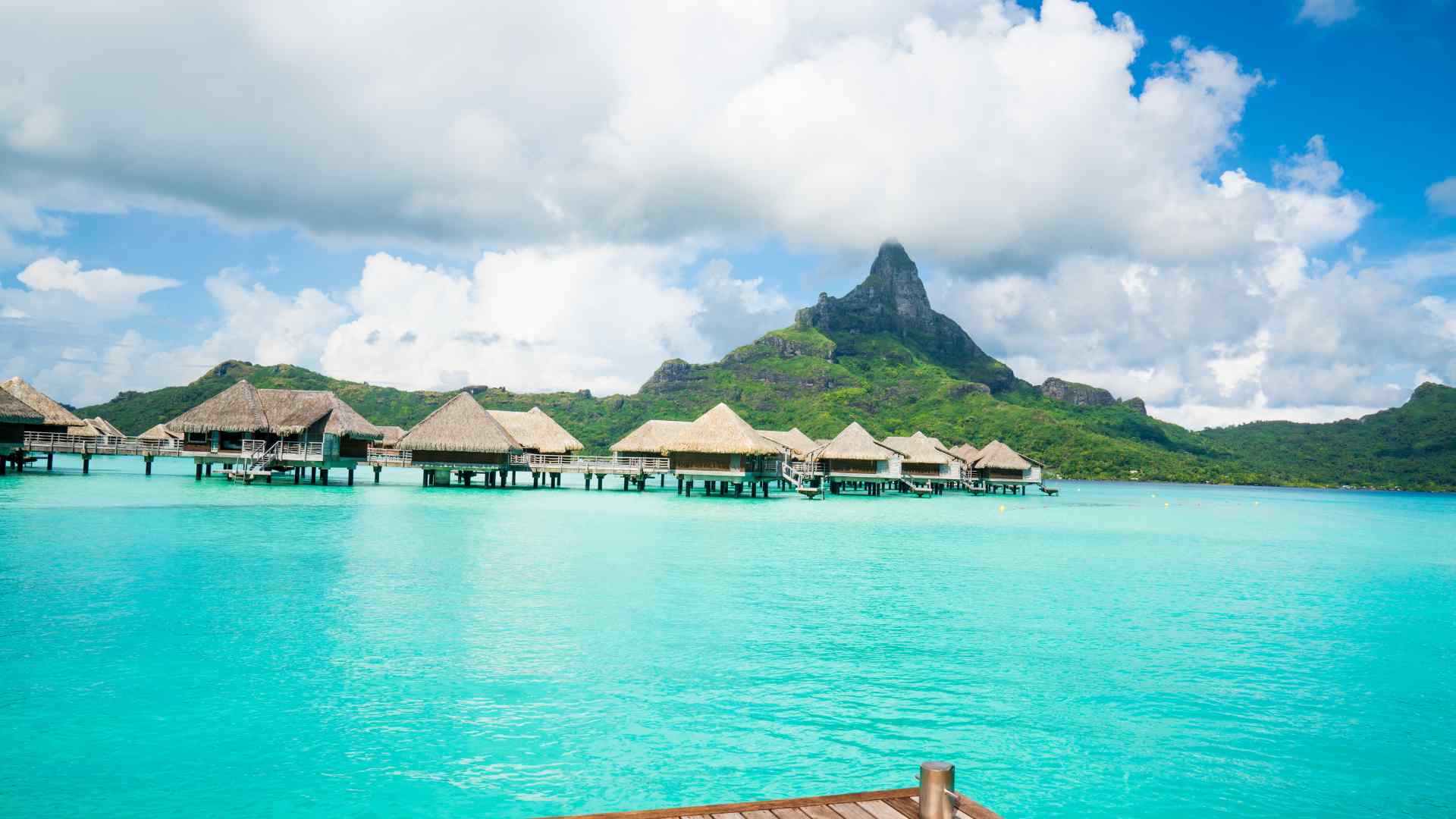
Le Taha’a sits on Motu Tautau, looking across the lagoon toward the island of Taha’a with Bora Bora visible from selected directions. The private-islet location creates a lovely sense of removal without pretending the surrounding islands are merely scenery.
The current official suite list shows five overwater choices: Taha’a, Taha’a Premium, Sunset, Bora Bora, and End of Pontoon. Each is listed at 969 square feet with a king bed, sofa bed, and room for up to three adults plus a baby.
That equal footprint is excellent news for comparison shoppers. You can ignore the instinct that every higher category must be physically grander and focus on orientation, privacy, walk length, and how you spend the day.
Taha’a and Taha’a Premium
The standard Taha’a suite faces the lush main island, which gives the view texture and a real sense of place. Boats and island life may appear in the scene, and I would consider that character rather than automatically calling it an obstruction.
Taha’a Premium promises a less obstructed lagoon outlook while keeping the same listed size. It is the category I would price first for a honeymooner who wants more open blue without paying purely for sunset direction.
Sunset and Bora Bora
Sunset faces due west over the reef and ocean. The appeal is obvious, but west also means warmer late afternoons and stronger glare, so the premium makes sense only if you plan to be on the deck when the sky performs.
Bora Bora suites point toward the famous neighboring island and the coral garden. The distant silhouette can be magical in clear weather, although haze and cloud remain gloriously indifferent to the amount paid for the room.
End of Pontoon
End of Pontoon is sold as the most private option, with broad horizon or Taha’a views. Fewer passersby is appealing, but the longest walk and greater exposure to wind can make a mid-pontoon suite more comfortable for some guests.
I would send the resort three priorities in order and ask which available suite best fits them. ‘Open lagoon, afternoon shade, and manageable walk’ gives the reservations team far more to work with than ‘please assign the nicest one.’
The coral garden is the reason to stay here
The coral garden beside the resort can become the trip’s repeat activity. Official guidance describes a natural drift, with moving water carrying snorkelers from an entry point toward the heart of the garden.
That movement makes local instruction essential. Entry, exit, tide, current strength, and the safe route should come from staff on the day, even if you have snorkeled in far more intimidating places.
The reward is a changing procession of reef life rather than a single hurried pass from a tour boat. The responsibility is equally clear: no standing, touching, chasing, feeding, or using coral as a brake.
Water shoes and snorkeling equipment are available through the resort, according to its current information. I would still bring a mask that already fits if leaking lenses have ruined enough swims to become a personal enemy.
Non-swimmers should not let the coral garden’s reputation make the booking for them. A Pool Beach Villa may offer a private pool, simpler outdoor movement, and a better return on the same substantial budget.
Getting there through Raiatea
Most guests fly from Tahiti to Raiatea, where the resort coordinates the boat across the lagoon. Air Tahiti’s Raiatea page is the best starting point for current flight schedules, and Tahiti Tourisme’s Taha’a guide gives useful island context.
Once the domestic flights are ticketed, Le Taha’a needs the exact arrival and departure details. The boat is part of the transfer chain, not a casual shuttle you can assume will be waiting after an unreported schedule change.
The layered journey is part of what creates the motu atmosphere. It also means I would avoid a tight connection to an international flight home and price any necessary Tahiti hotel into the trip from the beginning.
Helicopter transfers may be available, but they need confirmation for route, luggage, weather limits, emissions, and total cost. They are an optional flourish, not the default solution to an itinerary that was too tight on paper.
What daily life in the suite feels like
The overwater suites use natural materials, local artwork, and generous indoor-outdoor space rather than glossy city-hotel minimalism. A separate sitting area and substantial bathroom make a rainy afternoon feel like part of the vacation instead of a weather emergency.
The deck is where orientation becomes real. Shade, ladder position, neighboring sightlines, breeze, and the direction of late light influence daily pleasure more than a small difference in indoor décor.
Direct lagoon access is still conditional on the day’s water and the guest’s mobility. Anyone with balance or joint concerns should request step dimensions, handrails, deck thresholds, pontoon slope, buggy help, and an emergency plan before paying a deposit.
Families also need more than the maximum occupancy line. Door locks, water edges, nighttime walkways, flotation equipment, and sleep setup all deserve direct confirmation when a baby or young child is coming.
Dining on a motu, without romanticizing the bill
French Polynesian ingredients and resort rituals shape the dining, including private meals and canoe breakfast experiences. That sounds dreamy because it is, but ordinary breakfasts and dinners matter more than one tray arriving by canoe.
There is no row of casual restaurants outside the gate, so current menus, operating schedules, and meal-plan rules deserve attention. Imported items, premium drinks, private setups, and special dinners can expand the final bill quickly.
Half board works for guests who want dinner settled and expect to remain on the motu most evenings. It is less useful when a premium venue carries supplements or several island excursions include meals.
Dietary requirements should be shared well ahead of the Raiatea flight, using exact ingredients and cross-contact language. Last-minute sourcing is harder on a private islet, even for a capable kitchen.
The trip rhythm I would choose
Arrival day needs no ambition beyond the flight, boat, orientation, and an early night. Entering a current-swept coral garden while tired is not a sophisticated travel strategy.
The first calm morning belongs to the coral garden with staff guidance, followed by a slow afternoon on the deck. By sunset, you will know whether west-facing light truly matters enough to shape the room choice next time.
A guided Taha’a day adds vanilla, agriculture, villages, and local history to a trip that can otherwise become beautifully waterlogged. A second boat outing can explore parts of the lagoon beyond the resort.
One unplanned morning is essential because the clearest water rarely consults the itinerary. I would stay at least four nights after arrival, and longer if the purpose is to decompress rather than collect islands.
What costs sit outside the headline rate
- Transport: Domestic flights, the Raiatea boat, and any Tahiti overnight required by schedules.
- Food and drink: Meal-plan gaps, premium beverages, private dining, and special-event supplements.
- Experiences: Guided island trips, boat excursions, diving, spa treatments, and romance setups.
- Protection: Insurance that addresses missed connections, weather disruption, medical care, and evacuation.
A nightly upgrade looks modest until it is multiplied across a week. Because the listed overwater footprint is the same, I would compare each view premium against an experience you could buy with the difference.
A Pool Beach Villa deserves a genuine quote rather than serving as the consolation option. For guests who prefer sand, shade, and private-pool time, it may be the better luxury room.
Le Taha’a or Bora Bora?
Bora Bora makes one mountain the star of almost every composition. Le Taha’a feels more layered, with the main island, Raiatea, the coral garden, and distant Bora Bora giving the landscape a lived-in quality.
Travelers who want Mount Otemanu centered in the fantasy should use our Bora Bora bungalow guide. Those who care more about repeatable snorkeling and a quieter motu may prefer Le Taha’a.
Our French Polynesia overwater guide compares the wider region, while the boutique bungalow guide is useful for travelers who prioritize intimacy over a large amenity list.
A combination can work when flight and boat schedules align cleanly. I would rather give each island four settled nights than turn the middle of the vacation into a parade of checkout desks.
Frequently asked questions
Which Le Taha’a overwater suite is best?
Premium is my balanced choice for an open lagoon outlook without automatically paying for a west-facing or end position. Sunset suits dedicated deck loungers, Bora Bora suits view collectors, and End of Pontoon suits guests who value fewer passersby over a shorter walk.
Are the overwater suites different sizes?
The resort currently lists its five overwater categories at the same 969-square-foot size. The main upgrade is position and view, although the live booking description should always be checked for any category-specific benefits.
Can you snorkel from Le Taha’a?
Yes, the adjacent coral garden is one of the resort’s defining attractions. Because current drives the experience, guests should follow the day’s official entry, route, and exit guidance.
How do you reach Le Taha’a?
The usual route is a domestic flight from Tahiti to Raiatea followed by a resort-coordinated boat. Exact schedules and fees should be confirmed directly against the booked flights.
How many nights are enough?
Four nights is my minimum after arrival because it allows a weather buffer for the coral garden and enough time for Taha’a itself. Five or six feels better for travelers who want the resort’s slow rhythm rather than a quick photo stop.
My verdict
Le Taha’a is worth its multi-stage arrival for travelers who will use the coral garden and appreciate a private motu with real island character. I would choose Premium for balance, Sunset for committed golden-hour lounging, and a beach villa when private-pool life sounds more appealing than a ladder into moving water.