Before You Take the Villa Ladder: A Smarter Guide to Bungalow Snorkeling
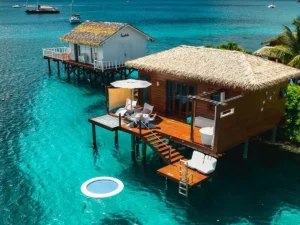
That private ladder dropping into blue water is the fantasy, but it is not a permission slip to leap in before breakfast with nobody watching. The best bungalow snorkeling starts with one unglamorous minute of questions, then becomes exactly the lazy, fish-filled adventure you hoped for.
Snorkeling from an overwater bungalow in 30 seconds
- Standout: A villa ladder can put you close to marine life without a boat ride, provided the resort approves the route and conditions.
- Best for: Comfortable swimmers who use a buddy, understand the exit plan, and follow the resort’s daily water guidance.
- Biggest catch: A calm-looking surface can hide current, shallow coral, boat traffic, poor visibility, or a ladder that is awkward to climb.
- My pick: Begin at the resort’s supervised or marked house-reef entry, then use the villa ladder only after staff confirm it is suitable that day.
If snorkeling is a major reason for booking, pair this safety guide with our house reef reality check before choosing the room. A brilliant reef with a simple marked route is more valuable than photogenic steps leading into water you should not enter.
A ladder is access, not a safety certificate
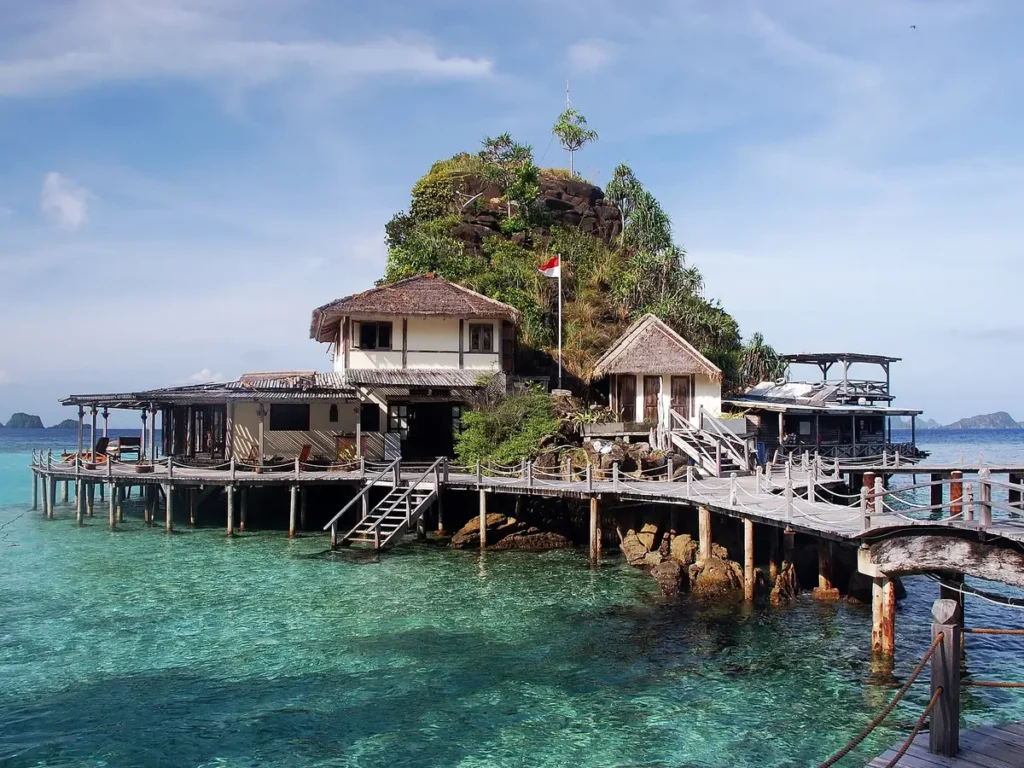
Overwater villas are built in lagoons, channels, reef flats, bays, and open-water edges, so the conditions beneath them vary wildly. Some decks face shallow sand and gentle water, while others sit near current, coral, or a route used by boats.
Permission to snorkel from that villa category matters more than the simple presence of a ladder. The useful follow-up questions are where to enter, where to exit, which direction to swim, and what signal means the water is closed.
Take the resort briefing even if you snorkel often
Local staff know the jetty, channels, reef cuts, weather pattern, and boat timetable in a way a confident visitor cannot. Five minutes with the dive center can reveal a safe route, a hidden exit platform, or the exact corner everyone should avoid.
A new check is sensible whenever conditions change because yesterday’s calm route is not today’s guarantee. Wind, swell, visibility, current, maintenance, and marine activity can alter the answer between breakfast and lunch.
Check your exit before your mask gets wet
Climb partway down the ladder while dry and look at the bottom step, handrails, algae, sharp edges, and clearance from the deck. Then identify a second approved exit in case returning to your own ladder becomes harder than expected.
The return is the part people underestimate. A current-assisted swim away from the villa can feel effortless, then turn into a tiring journey back, so start by swimming gently against the current and let the easier direction help you return.
Standing is not a safe rest plan. Water depth can change abruptly, and the pale patch that looks like sand from the deck may be living coral or seagrass that should remain undisturbed.
Use a real buddy, not a person somewhere on the deck
A snorkeling buddy should be in the water with you, close enough to notice trouble and able to get help. The American Red Cross swim-safety guidance recommends always swimming with a buddy rather than allowing anyone to swim alone.
Agree on the route and a turnaround point before entering, then check on each other regularly. A partner absorbed in photographing a turtle fifty yards away is delightful company, but not much of a safety system.
Current matters more than how peaceful the water looks
Current is horizontal water movement, and it does not always line up neatly with high and low tide. NOAA notes that tides and tidal currents require separate predictions, so a tide chart alone is not enough to plan a resort swim.
The resort’s current local advice matters because many tropical destinations are outside the coverage of familiar home-country tools. If staff say the current is strong, the reef entry is closed, or a guided outing is the better choice, believe them without trying to negotiate with the ocean.
If you feel yourself being carried, stop chasing the original route and signal your buddy or staff. Stay afloat, conserve energy, and follow the resort’s emergency briefing rather than improvising a heroic shortcut across coral or a boat channel.
Depth changes more than your comfort level
At low water, fins may strike coral or sand, ladders may end in shallower water, and the safe line across a reef flat may disappear. At higher water, the same area may be swimmable but have stronger flow or more boat movement.
Typical depth at the actual villa and along the approved reef route is especially important for a nervous swimmer. Our guide for enjoying overwater bungalows as a non-swimmer explains why a beautiful deck can still be worthwhile without treating open water like a confidence exercise.
Fit the mask before the expensive part of the trip
A leaking mask turns a relaxed swim into constant fiddling, and fiddling steals attention from your buddy and surroundings. Test the seal, adjust the strap gently, and practice clearing the mask in a pool or supervised shallow area before heading toward the reef.
Fins should be snug without pinching, and the snorkel mouthpiece should feel comfortable rather than like a dental appointment. Rental gear can be excellent, but trying it on at the activity center is far smarter than discovering a split strap from the far side of the jetty.
A properly fitted flotation aid can make a cautious snorkeler calmer, but it does not replace swimming ability, supervision, or a buddy. CDC guidance says life jackets can help weaker swimmers in natural water and warns that inflatable toys are not safety devices.
Keep the first swim almost comically short
Enter, practice breathing, check the mask, swim a small loop, and climb out while you still feel fresh. This mini rehearsal tells you far more about the ladder, current, and gear than staring at the lagoon from a lounger.
Build distance only when both buddies are comfortable and the route remains approved. The goal is not to prove you can reach the reef edge; it is to notice fish without turning the return swim into the least relaxing part of the honeymoon.
Boat channels are a hard boundary
Do not cross or drift into transfer lanes, seaplane areas, excursion routes, or water-sports zones unless staff explicitly direct a protected crossing. Boats may be quiet from underwater, and a captain may not see a small snorkel among glare and chop.
Bright flotation gear can improve visibility, but it does not make a navigation channel safe. Stay inside marked swim areas, learn the resort’s flags or closure signs, and avoid swimming at dawn, dusk, or in poor visibility unless the resort specifically permits it.
Sun, heat, and a celebratory drink still count
Snorkeling combines sun exposure, exertion, warm air, and salt water, so fatigue can arrive quietly. Drink water, take shade breaks, and stop before your legs feel heavy rather than after.
Alcohol impairs judgment, coordination, and balance, which are exactly the skills a wet ladder and open water demand. Save the floating cocktail for after everyone is out, showered, and arguing happily about whether that fish was blue or technically turquoise.
Know when to stay on the deck
Skip the swim if staff advise against it, visibility is poor, weather is worsening, you feel unwell, or you cannot identify a safe route and exit. CDC also advises staying out of natural water that is unusually cloudy, discolored, foul-smelling, closed, or affected by an advisory.
Open cuts and recent wounds deserve caution because natural water can introduce infection. The CDC natural-water guidance recommends staying out with an open cut or wound, or fully covering it with a waterproof bandage if entering.
Travelers with heart, lung, mobility, balance, or other medical concerns should ask their clinician what is appropriate for them. Divers Alert Network explains that snorkeling has genuine medical risks, including problems linked with exertion and water inhalation.
Do not turn snorkeling into a breath-hold contest
Repeated deep breathing, long underwater breath holds, and pushing through the urge to breathe can lead to loss of consciousness. Keep snorkeling on the surface unless you have appropriate training, supervision, and a plan designed for breath-hold activity.
A standard snorkel is for relaxed surface breathing, not a challenge to see how long you can stay below. If you want to learn freediving skills, book qualified instruction rather than experimenting beside the villa.
Give coral more space than you think it needs
Coral is living habitat, not an underwater handrail. NOAA advises snorkelers to keep hands and fins off the reef, avoid stirring sediment, and never stand or rest on coral.
Good buoyancy begins before you reach the prettiest patch. Practice floating, keep your fins behind you rather than bicycling downward, and turn early if the water becomes too shallow to pass without contact.
Do not chase, touch, feed, or corner wildlife for a photo. NOAA’s ocean etiquette guidance recommends keeping a safe distance and never handling or riding marine animals.
Photography should never steal your awareness
A camera narrows attention just when you need to watch depth, current, boats, coral, and your buddy. Stop in safe open water, steady your breathing, take the photo, then look up and reorient before moving again.
Avoid blocking an exit platform while reviewing pictures, and secure equipment so it cannot drag across coral. The winning image is the one captured without kicking the reef, losing the buddy, or discovering the current has quietly rewritten your route.
A simple before-you-enter routine
- Ask staff whether the villa route is open and where current and boats are moving.
- Confirm one entry, two possible exits, and the boundary you will not cross.
- Check mask, snorkel, fins, flotation gear, ladder, and communication signals.
- Enter with a capable buddy and begin by swimming gently against the current.
- Turn back early, stay clear of coral, and stop while the swim still feels easy.
I like this routine because it takes less time than choosing a breakfast pastry and removes most of the guesswork. It also keeps the mood light: once the plan is clear, you can spend your attention on butterflyfish instead of wondering where the boat channel begins.
Choose the bungalow with the whole route in mind
When comparing resorts, ask whether the house reef is swimmable from individual villas, a shared platform, the beach, or only by boat. A communal entry with staff nearby may be much more useful than a private ladder beside shallow coral.
Also compare included equipment, guided orientation swims, flotation aids, lifeguard or activity-center hours, and closure procedures. Our overwater bungalow packing list helps with the rest of the water-friendly kit without encouraging a suitcase full of gadgets.
Frequently asked questions
Is it safe to snorkel directly from every overwater bungalow?
No. Safe access depends on the villa’s location, current conditions, depth, coral, boats, resort rules, and your ability, so ask staff about the exact route each day.
Should I snorkel alone if my partner watches from the deck?
No. Use a capable buddy in the water with you, and stay close enough to communicate and get help if either person has trouble.
Do I need a life jacket for resort snorkeling?
A properly fitted flotation aid can help weaker or less confident swimmers, but the appropriate equipment depends on the site and resort rules. Ask the activity team for a fitted option, and never treat an inflatable toy as safety equipment.
Can I stand on the reef if I need a rest?
No. Float on your back, use your flotation aid, return to an approved platform, or signal for help, because standing can damage coral and may injure you.
What should I do if the current feels stronger than expected?
Stop fighting for the original line, stay afloat, signal your buddy or resort staff, and follow the local emergency briefing. Prevention matters most, so ask about current direction and begin the swim against it.
Is nighttime snorkeling from the villa a good idea?
Only join a resort-approved guided activity with the required lights and safety setup. Do not improvise a private night swim, because visibility, navigation, wildlife, and rescue become more complicated.