
Introvert Approved Overwater Resorts
A quiet overwater stay depends on the jetty position, boat traffic and dining rhythm.
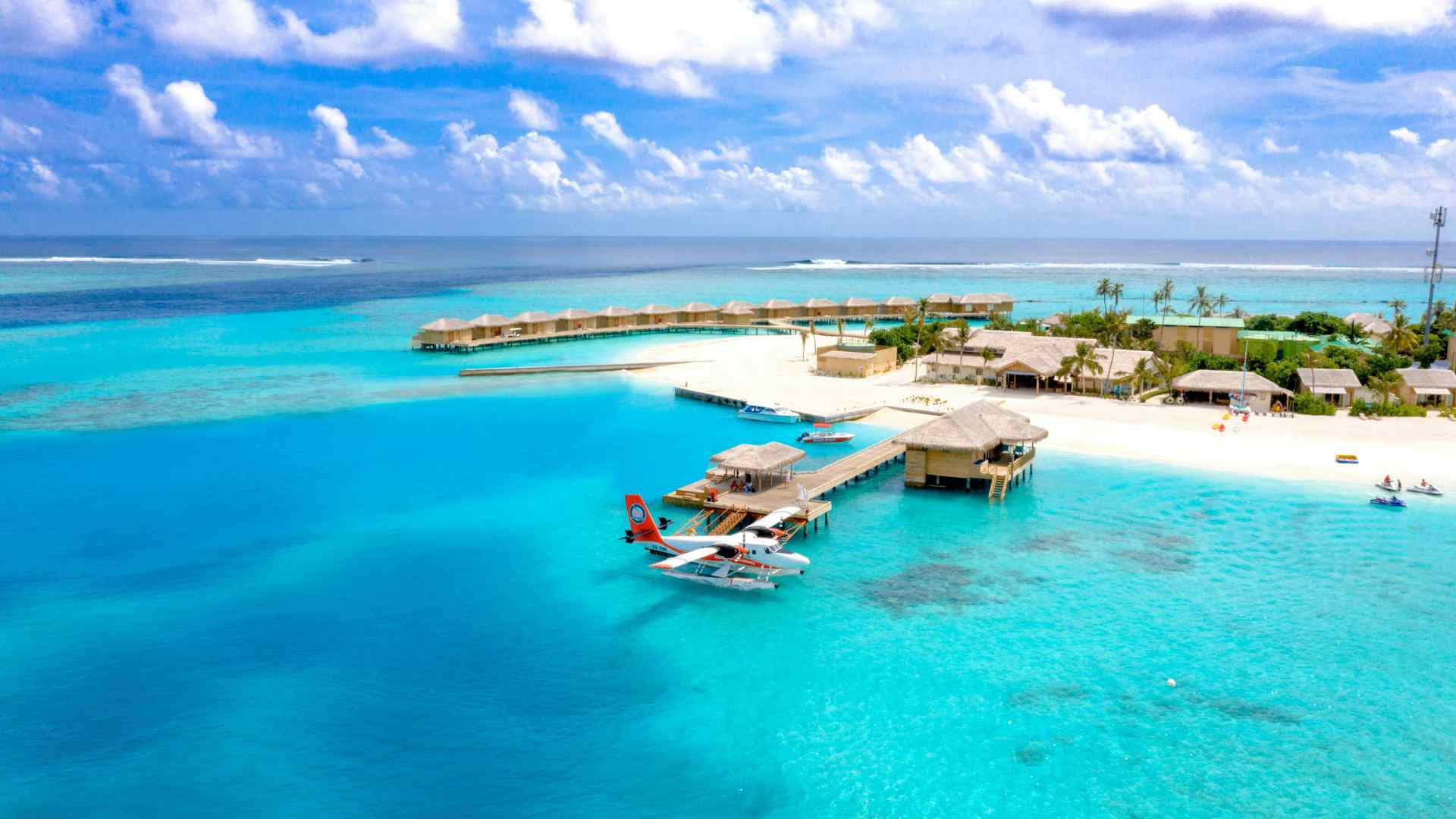
A resort map and the exact jetty location will tell you more about privacy than an aerial hero image. Compare a small island such as Bawah Reserve’s current rooms with larger resorts before paying for quiet.
What makes an overwater resort quiet for introverts?
Quiet is a layout problem before it is a vibe problem. The resorts that feel calm have villas spread far apart, more than one place to eat so no room ever fills at once, and a culture where staff do not chase you down the jetty.
Everything else is marketing. A property can call itself serene and still run a poolside DJ at four o’clock.
- Villa spacing: can you see into your neighbor’s deck, or not.
- Restaurant count: one dining room means one crowd, every night.
- Activity program: scheduled fun with a microphone is the enemy.
- Service style: in-villa dining that is normal, not a special request.
- Guest mix: adults only changes the sound of a resort more than any design choice.

Questions to ask about the island itself
How many villas are there, and how far do they stretch?
Ask for the villa count and the jetty layout in the same email. A small resort with every villa packed onto one short arm is louder than a bigger resort with three long arms fanning in different directions.
What you are really buying is distance between decks. Neighboring decks can be close enough for conversations to carry, even when the villas look private in aerial photographs.
Is there one restaurant or several?
One restaurant means everyone eats at the same time in the same room, and you will be seated next to the table celebrating something. Two or three venues spread the same guests across the evening, and the volume drops.
This is the single most useful question on the list. It also tells you whether a half board plan will trap you in the busy room every night, which is worth knowing before you prepay it.
Does the resort run a daily activity schedule?
Ask them to send you last week’s activity sheet, not a description of it. If it lists beach volleyball, a pool party, and live music five nights out of seven, you have your answer.
The sheet also shows you where the noise lives. A resort with music at the main bar and nowhere else is fine if your villa is on the far jetty.
Questions to ask about your villa and the jetty
Where exactly on the jetty will I be?
Villa numbers near the island are the ones housekeeping carts and staff pass all day. The far end is quieter, and it also means a longer walk in the rain, which is the trade you are making.
If quiet matters most, request an end-of-jetty villa in writing and weigh the longer walk. If you want the full logic on this, I wrote out how to pick a villa position on the jetty in more detail.
Can I get into the water without walking past anyone?
Direct lagoon access from your own ladder is the introvert feature nobody labels as one. It means you snorkel when you feel like it instead of signing up for a boat with eleven strangers.
Ask whether the reef is reachable from the villa steps or whether it needs a guided drop. A resort with a strong house reef gives you a whole week of solo swimming, and judging a house reef before you book is mostly a matter of asking the right two questions.
Is the deck actually private?
Privacy screens between decks are common on newer builds and absent on older ones. Ask for a photo of the deck taken from the neighboring villa, which is a request that separates the honest reservations teams from the rest.
Sunset villas often face each other across a curve. That is lovely for the view and terrible if you wanted to read on the deck in a swimsuit and nothing else.
Questions to ask about food and service
Can I eat in the villa without it becoming an event?
Some resorts treat in-villa dining as a normal room service order. Others treat it as a private dining experience, which means a butler, a tablecloth, a surcharge, and a person standing near you while you eat.
Ask which one it is, and ask whether the tray can simply be left on the deck. That one sentence has saved me more awkwardness than any other thing I do when booking.
How does the butler system work here?
A dedicated host is genuinely useful if you can set the terms. Tell them on day one that you will message when you need something and would rather not have a daily check-in visit.
Good properties write that in your file and it sticks. If yours keeps knocking anyway, that is a service culture problem you cannot fix from a lounger.
Is service charge already included, or added later?
This is not a noise question, but it is the question that stops the awkward tipping dance at the end of a stay. In the Maldives a 10 percent service charge is standard and goes to staff, on top of the 17 percent tourism goods and services tax that applies to rooms, food, drinks, and excursions.
Rates and tax rules change, so confirm the current numbers with the property when you book. Knowing them in advance means no math at checkout and no guessing about what is expected.
Questions to ask about the other guests
Adults only, or just marketed as romantic?
Adults only is a policy with an age number attached, and it changes the entire sound profile of an island. Romantic is an adjective anyone can print.
If quiet matters more to you than anything else, the policy is worth paying for. I laid out the real differences in adults only versus family friendly overwater resorts, including the cases where the family island is actually calmer.
When is the property busiest?
Ask which weeks run at full occupancy and then avoid them. A resort at 60 percent capacity feels like a different property than the same resort at 100 percent, and the staff will usually tell you the truth if you ask plainly.
Shoulder season is the introvert’s actual luxury. You get the same lagoon with a third of the people, and the weather risk is often smaller than the brochure implies.
The part nobody puts in the brochure
Small, quiet resorts have a real downside, and it is boredom on day five. When there is one bar, no crowd, and no schedule, some people hit a wall and start refreshing their phone.
The second downside is cost per head. Boutique properties with few villas rarely discount, because they do not need volume, so the quiet you want is priced accordingly.
The third is logistics. Remote islands mean longer transfers, and in the Maldives seaplanes only fly in daylight, which can force an overnight near the airport if your flight lands late.
If a smaller property is still what you want, the shortlist in my guide to boutique overwater resorts worth the premium is where I would start. For a wider view of the category first, the overwater bungalow planning hub covers the basics.
Who should skip a quiet overwater resort
Skip it if you are traveling with people who need a program. A group that wants a bar scene and organized excursions will be miserable on a silent island, and their misery will find you at breakfast.
Skip it on a first trip if you are unsure what you like. A mid-size resort with several venues lets you find the quiet corner without betting the whole week on it.
And skip the tiny, remote, one-restaurant island for a stay longer than about a week unless you genuinely enjoy your own company. That is not a criticism, just arithmetic.
The questions that come up every time
Are smaller resorts always quieter?
No, and this trips people up constantly. A small island concentrates every guest into one restaurant and one bar, while a larger resort with several venues and long jetty arms can feel emptier day to day.
Is all inclusive a bad idea for introverts?
Often yes, because all inclusive plans push you toward the busiest shared venues to get value from what you prepaid. Half board with a couple of paid dinners usually suits a quieter trip better, though the math depends on drink prices.
Can I ask to be moved if my villa is noisy?
Yes, and you should ask on the first morning rather than the third day. Resorts move guests routinely when they have inventory, but by midweek the island is usually full and the answer becomes no.
Do overwater villas hear each other?
Sound carries very well across flat water, so yes, more than you expect. Villas set back to back or separated by planting are noticeably better than villas that face the same open channel.
Which destination is best if I want calm?
The Maldives wins on structure, because one island equals one resort and there is no town, no traffic, and nobody wandering through. The tradeoff is that you cannot leave, which some people find restful and others find claustrophobic.
If you only remember one thing
Book the layout, not the adjective. Villa spacing, the number of restaurants, and your position on the jetty will decide how quiet your week is, and none of those are visible in the photos.
Ask the four or five questions above by email before you pay a deposit. A property that answers them clearly is usually the property that will also respect a note asking for no daily check-in.
And if you want the calmest version of this trip with the least effort, look at a mid-size island in low season with a far-end villa. Ask for the exact deck sightlines and evening noise before relying on that combination.
Villa layouts, dining plans, and tax rates all shift from season to season. I update this guide as things change, but check the current details with the resort before you put money down.
For a quieter shortlist, compare COMO Cocoa Island’s scale with Soneva Secret’s 13-villa layout. Ask the reservation team how close the exact deck is to the next villa, rather than assuming the smallest resort guarantees silence.