Multigenerational Overwater Trips: Making Two Villas Work
Three generations, one lagoon, two room keys. It can be wonderful, and it can also be a week of quietly resenting each other over breakfast.
The difference is almost entirely in how you book it.
Ask the property for precise measurements and photos if a family member needs accessible routes or a suitable bathroom. The ADA’s U.S. lodging standards illustrate the level of detail a useful room description should provide, though local requirements abroad differ.
One villa or two? The short answer for multigenerational overwater trips
Book two separate villas next to each other, not one large villa with a second bedroom. Multigenerational overwater trips fall apart over sleep schedules and bathroom access, and two front doors fixes both problems for less friction than any floor plan can.
The exception is when the group genuinely wants to be together at 6 a.m., which is rarer than people admit when they are booking in February.
Everything below is organized by who is actually in your group, because that is the variable that decides the trip.

Grandparents who go to bed early, parents who do not
This is the most common version of the group, and the most fixable. Overwater villas are quiet inside but the decks are not, because sound carries across open water far better than it does across a lawn.
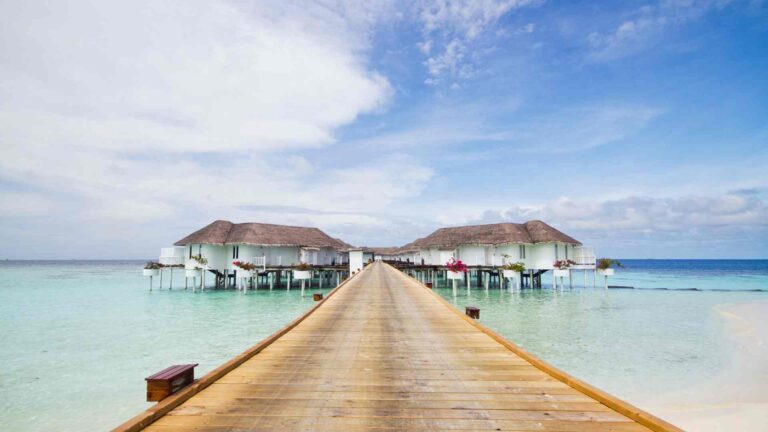
Voices may carry across a water villa jetty. Wooden walkways amplify footsteps too, and someone walking back at midnight in flip flops is audible.
Ask for villas that are adjacent but not directly facing each other’s decks. Many jetties alternate villas left and right, so two on the same side share a sight line and two across the walkway do not.
Verdict: two villas, same jetty, opposite sides. Nobody hears anybody, and you still meet on the walkway in the morning.
When one household is paying for everyone
Money is the thing that ruins these trips, and it never gets discussed in advance. Decide before you book who is paying for what, and put it in writing in the group chat so nobody has to be brave about it later.
Then set up the billing to match. Resorts can usually run separate folios per villa, but you have to ask at check in rather than sorting it out on departure morning.
Watch the extras, because they are where a shared bill goes wrong. Spa treatments, excursions, premium wine, and paid dining venues all land on the room number of whoever signed.
A shared meal plan simplifies this enormously. If everyone is on the same board basis, you stop negotiating who ordered the lobster, and my guide to all inclusive overwater resorts explains what those plans usually cover.
Verdict: separate folios, one shared board basis, and an agreement about excursions before anyone lands.
Groups with a toddler in the mix
Here is the part nobody puts in the brochure. Many overwater villas have low deck rails or open ladder gaps, and the water below is deep enough that a fall is a serious event.
Some resorts set a minimum age for overwater accommodation and some do not, and the policy varies enormously between properties. Ask directly and get the answer in writing, because a front desk shrug on arrival day is not a plan.
My honest opinion is that a beach villa for the household with the toddler and a water villa for the grandparents is the better split. The toddler does not care where they sleep, and the grandparents will talk about that deck for years.
If you do want everyone over the water, read my longer piece on overwater villa safety with toddlers and young children first.
Verdict: split the categories. Water villa for the grandparents, beach or garden room for the small child.
When a grandparent has mobility limits
Jetties are long, and the far villas are usually the ones with the best privacy and the worst walk. That tradeoff is the single biggest thing to get right if anyone in the group uses a cane, a walker, or simply tires quickly.
Boards can be uneven, and some walkways have a slight camber that is invisible in photos and obvious under your feet. Rain makes them slick, and few have handrails along the whole length.
Ask whether buggy service runs onto the jetty or stops at the land end, because the answer changes the trip completely. Ask also about step heights into the villa and whether the bathroom has a curbless shower.
I keep a running list of the exact wording to use in my post on accessibility questions to ask before booking an overwater villa.
Verdict: request the closest overwater villas to shore, and confirm buggy access in writing before you pay.
Teenagers, and the villa nobody thought about
Teenagers are the easiest group to please and the easiest to forget. They want wifi that works, food available outside set hours, and the ability to leave without a family meeting.
The thing that goes wrong is connectivity. Villa wifi over water can be genuinely weak at the far end of a long jetty because the signal has to reach out there from land.
Ask whether the resort has repeaters along the walkway, and ask what the cellular situation is. A teenager with no signal and no snacks becomes everyone’s problem by day three.
Verdict: put the teenagers in the villa closest to the restaurants, not the one with the prettiest view.
The adults only problem
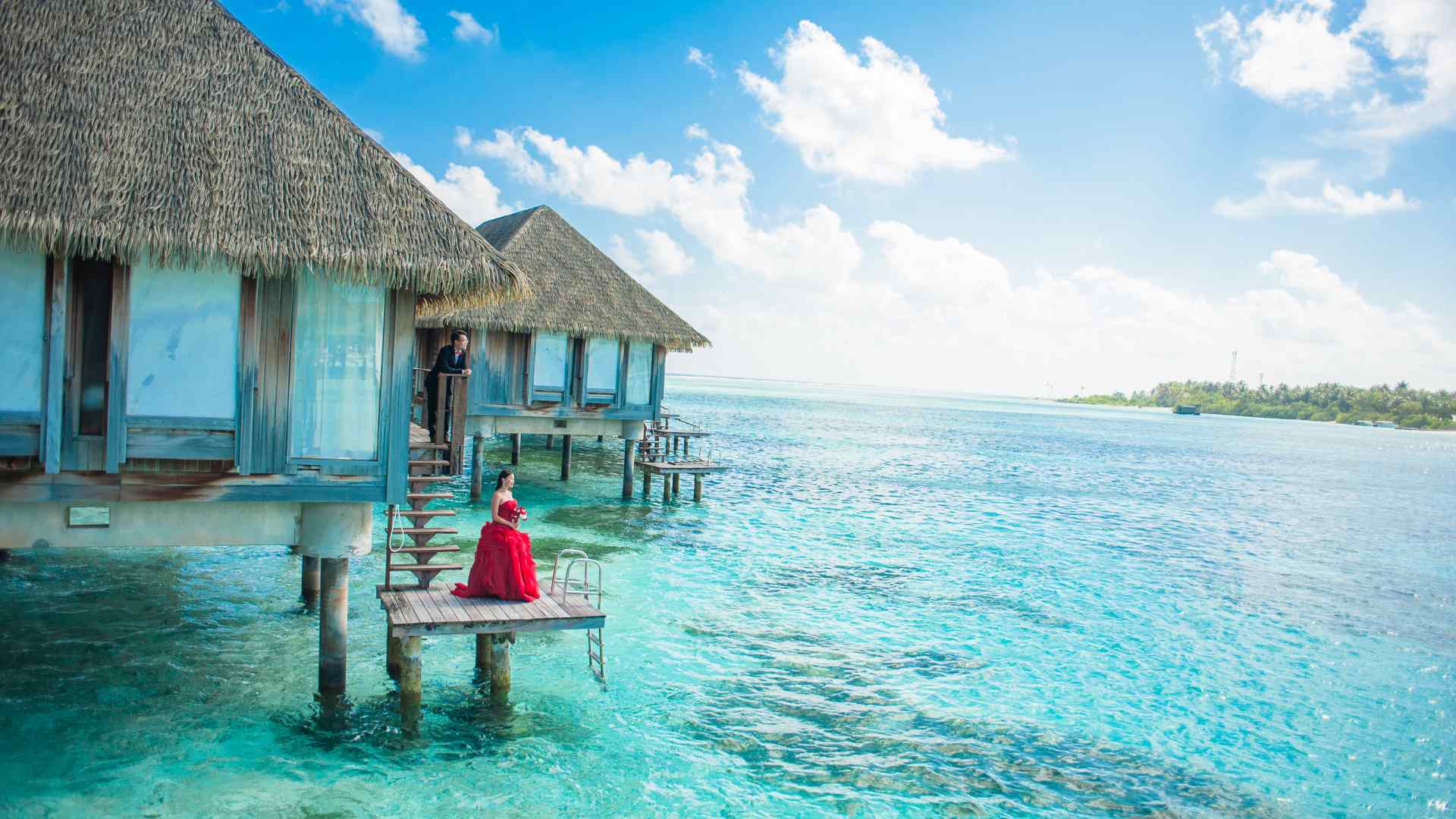
A lot of the most photogenic overwater resorts are adults only, which quietly removes them from your list the moment a child joins the group. Others are family friendly in name but have one kids club and a lot of honeymooners who wish you were elsewhere.
The middle option is a resort with genuine zoning, meaning a family side and a quiet side that are physically separated. Those exist, and they are worth hunting for.
My comparison of adults only against family friendly overwater resorts covers how to tell the difference from a booking page.
Verdict: filter for family friendly first, then filter for villas. Doing it the other way around wastes a week of research.
Booking mechanics that actually matter
- Book both villas in one reservation thread. Two separate bookings made months apart are much harder to place side by side.
- Put the request in the notes and then email it again. Villa assignment usually happens days before arrival, not at booking.
- Ask for villa numbers, not descriptions. “Near each other” means nothing until someone writes down two numbers.
- Confirm the transfer plan for the whole group. Seaplanes have weight limits and daylight only operations, and a big group can end up split across two departures.
- Check the cancellation terms per villa. If one household drops out, you want to know what that costs before it happens.
- Ask about service charge and tax on the quoted rate. These are frequently excluded from the headline number, and on two villas the gap is not small.
The transfer point is the one people underestimate. Getting eight people and their luggage from an international arrival to an island is a logistics problem, and my breakdown of the true cost of an overwater bungalow vacation includes what those transfers do to a group budget.
Who should skip this entirely
If your family struggles with three days together at home, an island will not fix that. There is nowhere to go, no car, and no neutral coffee shop to disappear into for an hour.
Skip it too if one person in the group is nervous in water or on boats, because almost every activity involves both. That anxiety does not stay contained, and it will shape the whole week.
Here is the downside I will name plainly. Two overwater villas cost roughly double one villa, and the second villa does not come with a second view worth talking about, because everyone is looking at the same lagoon.
For a lot of families, one water villa and one beach villa buys more happiness per dollar than two of the expensive thing. I would take that trade most of the time.
Things people ask me about family villa trips
Can we get two overwater villas next to each other?
Usually yes, but only if you request it early and confirm it again about a week before arrival. Villa assignment is done close to check in, so a note made at booking often needs a reminder to survive.
Is a two bedroom overwater villa better value than two villas?
Sometimes on paper, rarely in practice, because shared walls and one living space mean the earliest riser sets everyone’s schedule. Two smaller villas usually deliver a calmer week even when the total price is similar.
Are kids allowed in overwater bungalows?
It depends entirely on the resort, since some set a minimum age for water villas and others welcome all ages. Ask the property directly and get the policy in writing, because third party booking sites often show outdated rules.
How long should a multigenerational trip be?
Five to seven nights on the island is the range that gives a group time to settle in. Shorter feels wasted after long flights, and longer starts to test people who do not usually spend whole weeks together.
Can everyone eat dinner together every night?
Yes, and you should book the tables in advance rather than showing up as a group of eight. Small resorts have limited seating, and the specialty restaurants in particular fill up days ahead in busy weeks.
What I’d book
Two adjacent water villas on opposite sides of the same jetty, near the shore end, on a shared board basis with separate folios. It gives everyone independent space and keeps the walk to shared meals manageable.
If the budget will not carry two water villas, put the grandparents over the lagoon and everyone else on the beach. Start your shortlist from the main overwater bungalow guide and narrow by family policy before you fall in love with a photo.
Villa layouts, age policies, and billing practices differ from one property to the next and get revised without notice, so please confirm every one of these details directly with the resort before you commit.
Check the actual sleeping layout and age rule at each resort. W Maldives’ two-bedroom water villa and JW Marriott Kaafu’s larger options show why “two-bedroom” does not describe one universal setup.