
Overwater Resorts With Underwater Restaurants
Eating under the sea is a gimmick. It is also one of the few resort gimmicks I would happily pay for again. Here is where underwater restaurants at resorts genuinely exist, what the hour is actually like, and when the money is better spent elsewhere.
What counts as a real one?
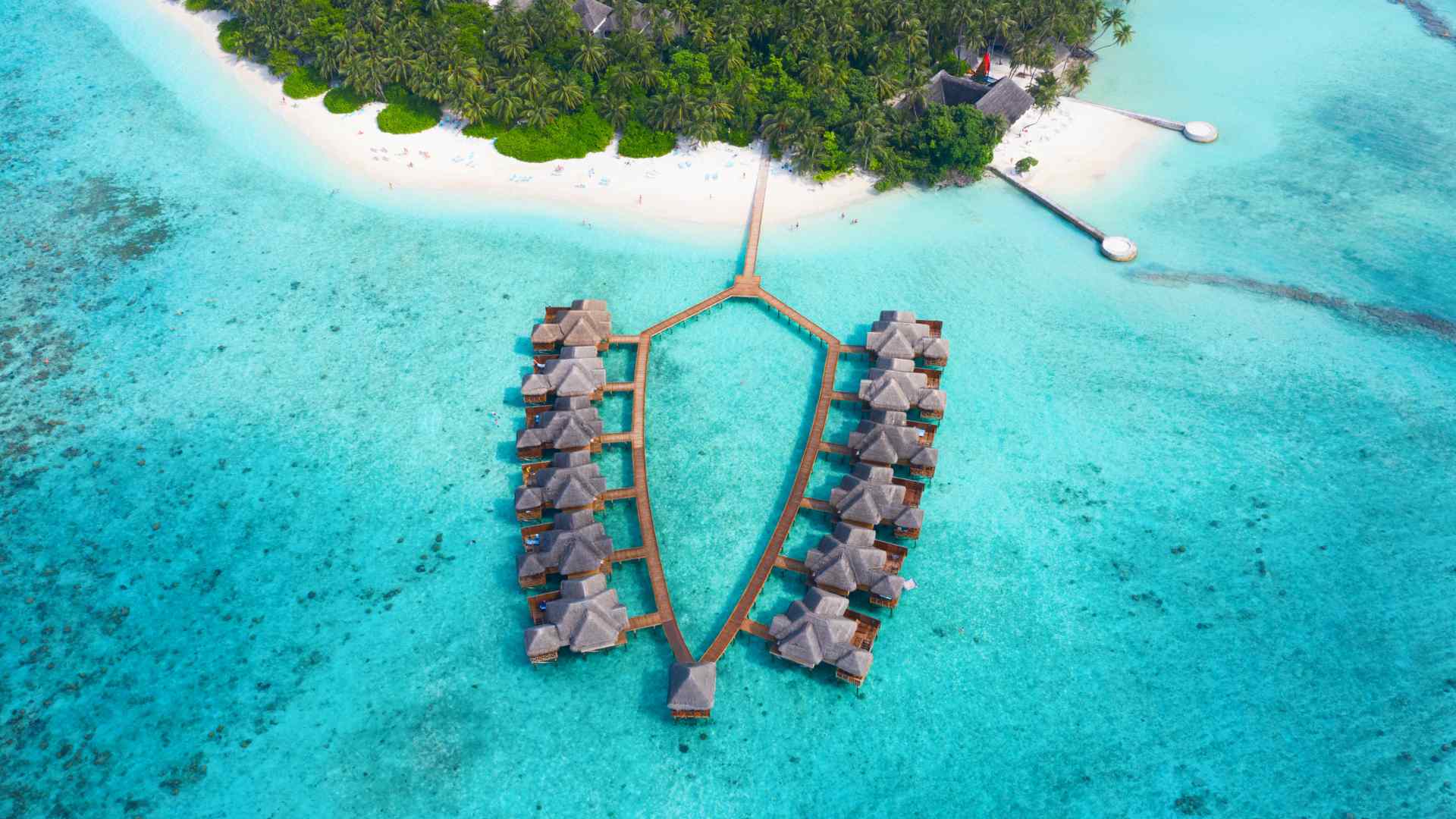
It is a dining room built below the waterline with acrylic walls, reached by a staircase from a jetty or a pier. Four Maldives resorts run one you can reserve today, and almost everything else marketed as undersea dining is a glass-floor table or an aquarium wall.
That distinction matters because the second kind costs far less and delivers about a tenth of the effect. If a resort cannot tell you how many steps down you walk, it is not the real thing.
Which resorts actually have underwater restaurants right now?
Conrad Maldives Rangali Island runs Ithaa, the original, and the one every later version copied. Hurawalhi has 5.8, Anantara Kihavah has SEA, and OZEN LIFE MAADHOO has M6m.
Those four are the shortlist as I write this. Venues close for refurbishment and seating formats change, so confirm the restaurant is operating for your dates before you pick a resort because of it.
My villa-level guides go deeper on each island: the Conrad Rangali water villa breakdown, the adults-only case for Hurawalhi, and Anantara Kihavah’s reef mornings and undersea dinners.
Is the food any good, or are you paying for the glass?
Honestly, the food is usually good and almost never the point. You are buying a tasting menu in a room where a batfish parks itself two feet from your dessert.
The strongest kitchens of the four, to my taste, are at Kihavah and Hurawalhi. If you want the meal to justify itself on the plate alone, those are the two.
What does it actually feel like down there?
Cooler than you expect, and much quieter. The acrylic muffles everything, and the light arrives blue and sideways rather than from above.
The first ten minutes are pure spectacle, then your brain adjusts and it becomes a very nice dinner with excellent scenery. That is not a complaint, it is just what happens.
Lunch and dinner are different products. Daylight gives you visibility and reef traffic, while evening gives you floodlit water, fewer fish, and considerably more atmosphere.
How much should you expect to pay?
It is a set menu at a set price, plus service charge and green tax, and it is one of the more expensive hours available on a Maldives island. Rates move every season, so ask for the current menu price in writing when you reserve.
Wine pairings roughly double the bill. I skip them and order one glass, and I have never once regretted it.
OZEN LIFE MAADHOO is the interesting outlier, because its board plan can absorb dining that other resorts bill separately. I go through what is and is not covered in the OZEN LIFE MAADHOO villa and dining guide.
Do you have to stay at the resort to eat there?
Usually yes, and this is the rule people get wrong. Most of these venues serve in-house guests only, partly for logistics and partly because there is no casual walk-up on a private island.
If someone is selling you a day trip, verify it directly with the property. Access for outside guests is not something I would build a trip around.
When should you reserve, and how?
The day you confirm your villa, not the day you land. These rooms seat very few people per service, and a full island in high season can absorb every slot for a week.
Email reservations and ask them to note it against your booking. Then reconfirm at check-in, because the sheet the restaurant works from is not always the sheet your agent saw.
If you want a particular table, ask for one away from the staircase. The bottom of the stairs is the busiest square yard in the room.
What actually goes wrong?
Visibility, mostly. After a storm or a strong current the water goes cloudy and you eat a very expensive dinner staring at green soup.
Condensation is the other one. On humid evenings the acrylic can fog at the edges, and staff will wipe it, but you notice.
Seatings are fixed and small, so the whole room turns over at once. Book the late slot and you will be eating dessert while the next group waits at the top of the stairs.
What the staff will not volunteer
Visibility forecasts. Ask the dive center, not the restaurant, what the water has been doing for the last three days.
The dive team knows whether the current has been stirring sand off the reef flat, and they will tell you straight. Twice I have moved a reservation a day later on that advice and had a far better meal.
Also ask whether your seating overlaps the resort’s snorkel or feeding schedule. Some properties time activities so fish traffic peaks during service, and knowing that beats any menu detail.
One more thing about the walk down
The staircase is part of the experience and nobody mentions it. You step off a warm jetty into a stairwell that smells faintly of salt and cold acrylic, and the temperature drops within a few steps.
Take it slowly. The treads are damp, the handrail is wet, and your eyes need a moment to move from bright deck to blue room.
If anyone in your party has knee or balance issues, say so when you reserve. Staff can meet you at the top and time the descent so you are not managing wet stairs in a crowd.
Does anywhere outside the Maldives do this?
Not in the same way, and this is where a lot of planning goes wrong. Several resorts elsewhere have aquarium-adjacent restaurants or glass-floor tables, and they are pleasant, but they are not built into a living reef.
If undersea dining is genuinely your priority, the Maldives is the trip. Deciding that early saves you from shortlisting resorts that were never really in the running.
Who should skip it?
Skip it if you are claustrophobic to any degree. You are underwater, the ceiling is low, and there is one staircase out.
Skip it if you have young children who will not sit through a long tasting menu. Several venues set an age minimum anyway, so check before you plan around it.
And skip it if the resort is already stretching your budget. I would take two extra nights on the island over one dinner below it, and I have made that trade in both directions.
Is an underwater bedroom a better buy?
No, but it is a bigger experience. Sleeping below the surface is a genuinely different thing from eating below it, and the price reflects that.
There are only a couple of real underwater bedrooms in the country, and I compare them plainly in my guide to Maldives underwater hotels. For a far cheaper taste of the idea, the aqua villas covered in my Pullman Maamutaa villa guide put a bedroom under the waterline without the headline suite price.
How I would pick between the four
If you want the icon, book Conrad Rangali. Ithaa is what people mean when they say underwater restaurant, and the resort around it holds up.
For the best combined package of villa and undersea dining I lean Anantara Kihavah, where the house reef is strong enough that the restaurant is a bonus rather than the reason. Hurawalhi is my pick for adults-only calm, and OZEN LIFE MAADHOO is where the meal is most likely to sit inside your board plan.
That last point is the most underrated in this whole category. A venue included in your rate changes the math completely.
Fast answers
How many underwater restaurants are there in the Maldives?
Four are operating as I write this, at Conrad Rangali, Hurawalhi, Anantara Kihavah, and OZEN LIFE MAADHOO. Venues occasionally close for refurbishment or change their seating format, so confirm directly with the resort that yours is running for your dates.
Is an underwater restaurant worth the money?
Once, yes, if the resort already fits your budget and the water is usually clear. It is a set-price tasting menu where you pay for the room as much as the food, and a second visit rarely lands as well as the first.
Can you see sharks and rays while you eat?
Often, especially at lunch and on reefs with regular current. Nobody can promise a specific animal, and any resort that does is overselling, but reef fish are constant and larger visitors turn up regularly at several of these sites.
Do underwater restaurants have a dress code?
Most ask for smart casual and no swimwear, and some want closed shoes on the stairs. Check when you reserve, because a wet jetty staircase in the dark is not the moment to improvise footwear.
Can children eat at an underwater restaurant?
Sometimes, and the rules differ by property. Adults-only resorts exclude them outright, while family resorts often limit children to lunch seatings or set a minimum age, so ask before you plan a trip around it.
The short version
An underwater restaurant is worth one dinner, not a whole booking decision. Choose the resort on lagoon, reef, transfer, and board plan, then let the undersea venue break the tie.
If it is included in your rate, go twice. If it costs about the same as a night on the island, go once and spend the rest on more time in the water.
Menus, seating rules, and opening status shift from season to season at these venues. I keep this page current, but reserve and reconfirm with the resort itself before you count on a table.